
Key Highlights
- $1 Billion Subsidy: The Philippines launches a significant subsidy program to boost electric vehicle manufacturing.
- 40% Co-Funding: The initiative offers up to 40% co-funding for battery-related models to stimulate local supply chains.
- Investment Attraction:The program aims to attract foreign and joint-venture investments in the EV sector.
The Philippines has officially announced a $1 billion subsidy scheme designed to invigorate its domestic automotive manufacturing sector as it enters the competitive electric vehicle (EV) market in Southeast Asia. This initiative is part of a broader strategy to establish the country as a key player in the region's rapidly growing EV industry, which has seen increasing demand for sustainable transportation solutions.
The subsidy program will provide co-funding of up to 40% for manufacturers focusing on battery-related models. This financial support is intended to encourage the development of local supply chains and reduce the country's reliance on imported components. By fostering domestic production capabilities, the Philippines aims to enhance its competitiveness in the global EV market.
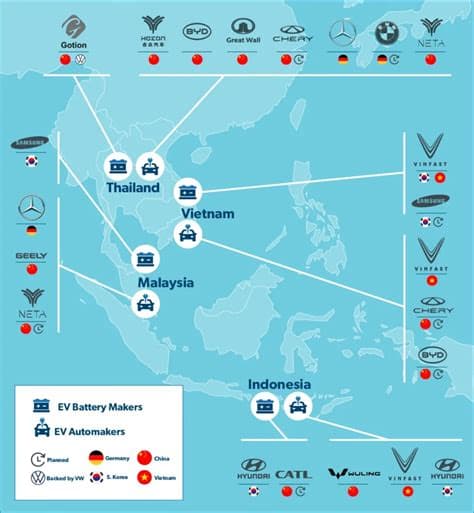
Manila's push for this subsidy comes at a time when many Southeast Asian nations are ramping up their efforts to attract investments in electric vehicle production. Countries like Indonesia and Vietnam have already made significant strides in this area, and the Philippines is keen to catch up. The government is actively promoting these incentives to entice foreign investors and joint ventures, particularly in sectors related to battery production and EV components.
The Philippine government’s strategy reflects a growing recognition of the importance of the electric vehicle market. As global demand for EVs continues to rise, the Philippines is positioning itself as a potential manufacturing hub. This move not only aims to meet local demand but also to export vehicles and components to other markets in the region.
In addition to the financial incentives, the government is likely to implement supportive policies and infrastructure improvements to facilitate the growth of the EV sector. This includes investments in charging infrastructure and regulatory frameworks that promote the adoption of electric vehicles across the country.
The launch of this subsidy program is expected to create thousands of jobs in the automotive sector, further boosting the economy. As the Philippines embarks on this ambitious initiative, it will be crucial to monitor the progress and impact of these subsidies on the local manufacturing landscape and the broader Southeast Asian EV market.
As the country moves forward, stakeholders from various sectors will need to collaborate to ensure the success of this initiative. The Philippines' entry into the EV race could potentially reshape its automotive industry and contribute to a more sustainable future.
Published by Banx Network. This article is part of the Banx decentralized media programme, powered by the BXE token on the XRP Ledger.



