
Key Highlights
- Arrest of Hideharu Inoue:A senior member of the 'Luffy' fraud syndicate was arrested in the Philippines.
- Background of Crimes:Inoue is wanted for theft of ATM cards from elderly women in Tokyo.
- Ongoing Investigations:Authorities are investigating his potential involvement in further criminal activities.
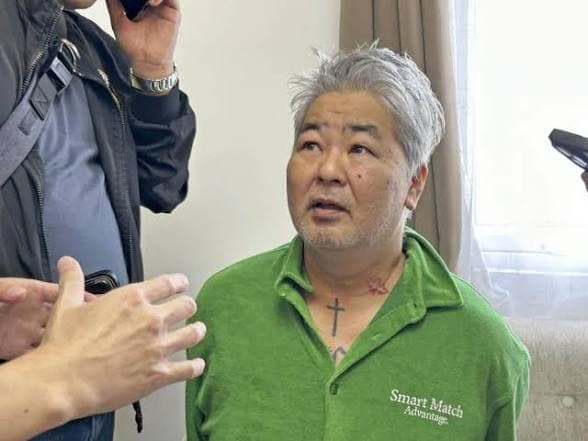
Philippine authorities have made a significant arrest in their ongoing efforts to combat organized crime, apprehending a Japanese man linked to the notorious 'Luffy' fraud syndicate. Hideharu Inoue, 56, was taken into custody by immigration officers and police operatives at a rented condominium in the Makati business district of Manila. His arrest follows intelligence operations that confirmed his identity, revealing that he was in possession of counterfeit Philippine government-issued identification cards.
Inoue is wanted under an arrest warrant issued by the Tokyo Summary Court in January for his alleged involvement in a series of thefts targeting elderly women in Tokyo. Reports indicate that he stole ATM cards from victims aged in their 60s and 80s during November 2019. The Philippine Bureau of Immigration has also issued a deportation warrant against him, highlighting the seriousness of his offenses.
The arrest of Inoue is part of a broader crackdown on Japanese nationals involved in organized crime syndicates operating out of the Philippines. Authorities have noted a pattern of arrests and deportations of individuals linked to the 'Luffy' group, which has been implicated in various fraud and theft schemes. This syndicate is notorious for its sophisticated methods of scamming victims, often targeting vulnerable populations.
As Inoue remains in immigration custody, investigators are delving deeper into his activities prior to his arrest. They are particularly interested in determining whether he continued to engage in fraudulent activities while residing in the Philippines. The case underscores the ongoing collaboration between Philippine and Japanese law enforcement agencies in addressing transnational crime.
The Philippine government has been increasingly vigilant in its efforts to combat organized crime, particularly as it relates to foreign nationals. The arrest of Inoue serves as a reminder of the complexities involved in tackling such syndicates, which often operate across borders and exploit legal loopholes to evade capture.
As the investigation unfolds, authorities are expected to provide further updates on the case and any additional charges that may be brought against Inoue. The implications of this arrest extend beyond individual accountability, reflecting the broader challenges faced by law enforcement in curbing organized crime in the region.
Published by Banx Network. This article is part of the Banx decentralized media programme, powered by the BXE token on the XRP Ledger.



