
Key Highlights
- Rocky Statue:The iconic statue is now part of a new exhibition.
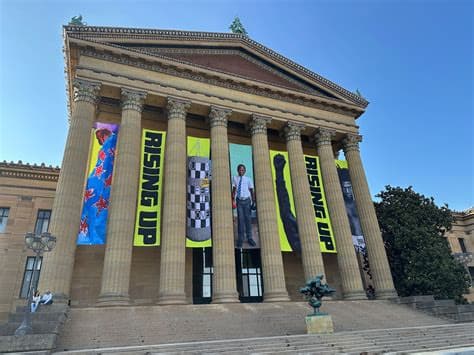
- Exhibition Title:"Rising Up: Rocky and the Making of Monuments" opens this weekend.
- Cultural Shift:The museum acknowledges the statue's significance after decades of ambivalence.
The Philadelphia Museum of Art is making a bold statement by bringing the iconic Rocky Balboa statue indoors as part of its new exhibition titled "Rising Up: Rocky and the Making of Monuments." This decision marks a significant cultural shift after decades of ambivalence and conflict regarding the statue's role within both the museum's identity and the broader narrative of Philadelphia.
Opening this weekend, the exhibition curates the famous bronze statue within a larger context of art history, showcasing over 2,000 years of boxing-related art. Guest curator Paul Farber has played a pivotal role in shaping the exhibit, which aims to explore the themes of struggle and resilience that are inherent in both the sport of boxing and the mythos surrounding Rocky Balboa.
Historically, the museum had distanced itself from the statue, created by A. Thomas Schomberg, despite its popularity as a tourist attraction following the release of the "Rocky" films. The statue drew millions of visitors to the museum's steps each year, yet it was only recently that the institution began to recognize its cultural significance. Now, the statue will be displayed indoors until August, after which it will find a permanent home at the museum's top steps—a location it has never officially occupied.
This decision has been met with enthusiasm from many, who view it as a necessary reconciliation with a symbol that embodies not only the spirit of the Rocky films but also resonates with themes of perseverance and the American dream. Local residents and tourists alike continue to visit the statue, acknowledging its importance as an icon of hope and determination.
The recognition of the statue's cultural relevance has paved the way for a more integrated approach within the museum's artistic dialogue. As the Rocky statue takes its place within the museum, it will be accompanied by artworks from renowned artists such as Keith Haring and Andy Warhol, who engaged with boxing culture during its significant moments in the 1970s. This exhibition promises to celebrate Rocky’s legacy while inviting a broader conversation about public monuments and their meanings in contemporary society.
In a related move, a statue of Joe Frazier will replace the Rocky statue at the bottom of the steps, ensuring that the rich narrative of boxing continues to thrive within the city. This transition highlights the ongoing importance of boxing in Philadelphia's cultural landscape and the museum's commitment to honoring its history.
Published by Banx Network. This article is part of the Banx decentralized media programme, powered by the BXE token on the XRP Ledger.



