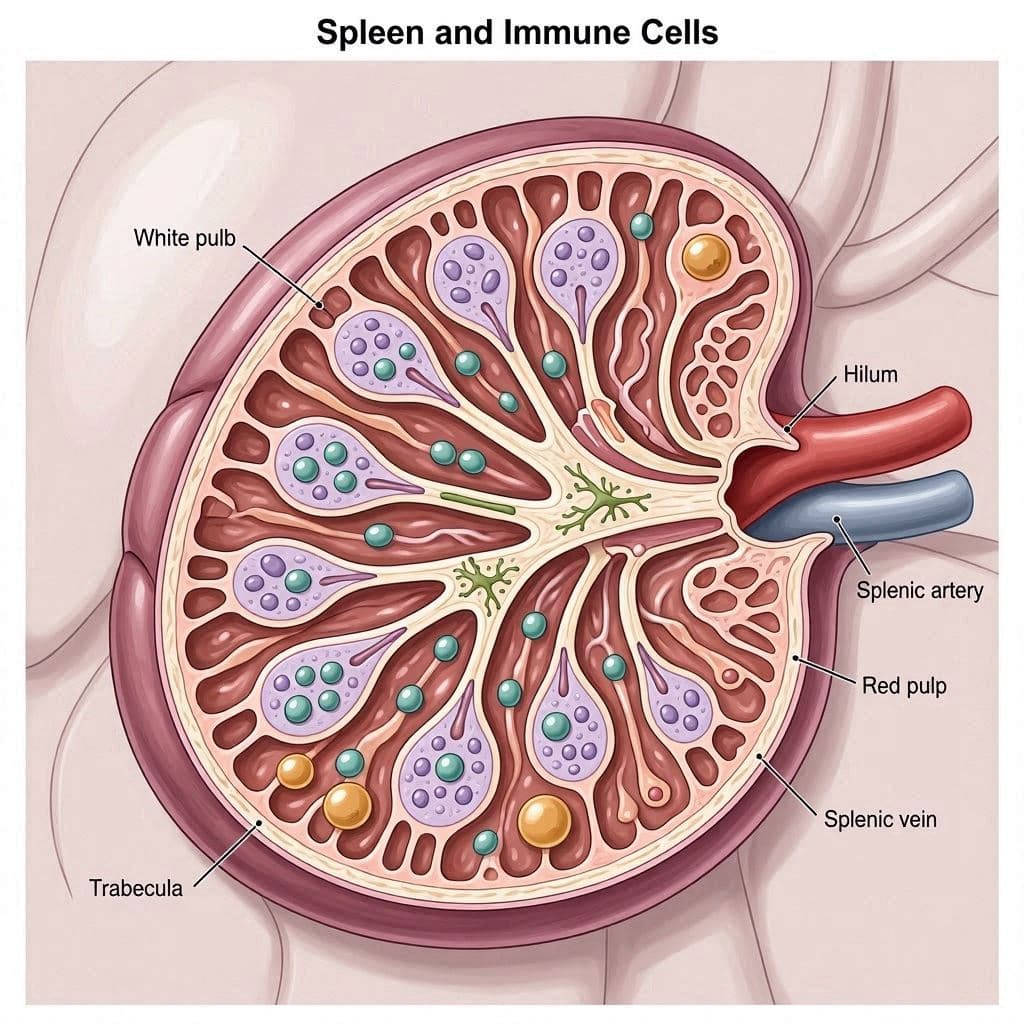
The spleen, often overlooked in discussions of human anatomy, serves as a quiet guardian of the blood, filtering out pathogens and old cells with relentless efficiency. However, recent research reveals that this vital organ bears the scars of malaria long after the infection has been cleared. The discovery that malaria causes permanent damage to the spleen’s immune cells adds a new layer of complexity to our understanding of the disease, highlighting its lingering impact on the body’s defense systems.
Malaria, caused by Plasmodium parasites transmitted through mosquito bites, has long been known for its acute symptoms, including fever, chills, and anemia. Yet, the chronic effects on the immune system have remained less understood. Studies now show that the infection disrupts the architecture of the spleen, specifically affecting the white pulp where immune responses are coordinated. This structural damage impairs the organ’s ability to respond effectively to future infections, leaving survivors more vulnerable.
The mechanism behind this damage involves the destruction of specialized immune cells called marginal zone macrophages. These cells play a crucial role in capturing blood-borne pathogens and initiating immune responses. When malaria parasites invade the spleen, they trigger inflammation that leads to the loss of these cells. Unlike other tissues that can regenerate, the spleen’s immune architecture does not fully recover, resulting in a lasting deficit in immune function.
This finding has significant implications for public health, particularly in regions where malaria is endemic. Children who survive multiple infections may face increased risks of other diseases due to compromised immunity. Understanding this long-term effect underscores the importance of not just treating acute malaria but also preventing reinfection. Vaccination efforts and vector control become even more critical in protecting the overall health of populations.
Researchers are now exploring ways to mitigate this damage, looking for therapies that can protect or restore spleen function. While antimalarial drugs effectively kill the parasites, they do not reverse the structural harm done to the immune system. Future treatments may need to include components that support tissue repair or boost immune resilience. This holistic approach could improve outcomes for millions of people affected by the disease.
The study also highlights the interconnectedness of our bodily systems. An infection in the blood can have far-reaching consequences for immune health, demonstrating the need for comprehensive care. It reminds us that recovery from infectious diseases is not always complete, and that long-term monitoring may be necessary for those who have suffered severe cases. Awareness of these effects can guide better post-infection care strategies.
The revelation that malaria causes permanent spleen damage emphasizes the need for continued vigilance and research. It calls for a broader view of malaria management that includes long-term immune support. As science advances, the hope is to develop interventions that not only cure the infection but also preserve the integrity of the body’s natural defenses.
AI Image Disclaimer: Visual elements in this report are AI-generated to illustrate the medical and biological concepts discussed.
Sources: Nature Immunology Science Daily World Health Organization
Published by Banx Network. This article is part of the Banx decentralized media programme, powered by the BXE token on the XRP Ledger.