
Key Highlights
- Date of Hearing:April 29, 2026, marked a significant congressional session.
- Public Support:Recent polls show only 34% of Americans support the Iran war.
- Economic Impact:The conflict has led to rising gasoline prices and economic concerns.
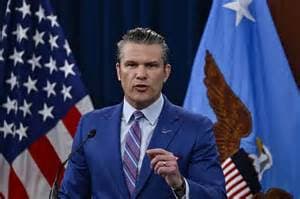
During a heated session with Congress on April 29, 2026, Pete Hegseth, the U.S. Secretary of Defense, robustly defended the war in Iran, claiming it is not a quagmire as critics have suggested. Responding to criticism from Democratic lawmakers, particularly Rep. John Garamendi, who labeled the conflict a "political disaster," Hegseth expressed outrage, stating, "You call it a quagmire, handing propaganda to our enemies? Shame on you for that statement."
Hegseth's testimony was the first since the U.S. and Israel initiated military actions against Iran on February 28, which have since contributed to rising gasoline prices and waning public approval for the conflict. The latest Reuters/Ipsos poll indicates that only 34% of Americans now support the war, down from 36% in mid-April and 38% in mid-March. This decline in support reflects growing public concern over the implications of the ongoing military engagement.
In ferocious remarks, Hegseth criticized Democratic lawmakers for what he perceived as reckless commentary, arguing that the troops are performing remarkably well. He stated, "Your hatred for President Trump blinds you to the truth of the success of this mission," emphasizing the strategic importance of confronting Iran's nuclear ambitions. His defense of the military actions underscores a broader narrative within the administration that seeks to frame the conflict as a necessary step in national security.
The Defense Secretary insisted that labeling the conflict a quagmire was not only misleading but also detrimental to military morale. His comments reflect heightened tensions as Congress grapples with the ramifications of an escalating conflict that has led to severe domestic consequences, including an economic backlash characterized by soaring fuel prices. The rising costs at the pump have become a focal point for critics of the war, who argue that the military engagement is harming American families.
As the political landscape shifts amid continuing military actions, Hegseth's assertions and the increasing scrutiny of the war will likely influence public discourse and policy decisions in the coming days. The administration's challenge will be to maintain support for the conflict while addressing the economic concerns of the electorate, which could prove pivotal in upcoming elections.
Published by Banx Network. This article is part of the Banx decentralized media programme, powered by the BXE token on the XRP Ledger.



