There is a particular sorrow in a death that was preventable—a loss that carries not only grief but the weight of a question that cannot be answered: why did this happen when it did not have to? On Wednesday, Pennsylvania health officials confirmed that a fifth person had died after contracting measles. The individual was an unvaccinated Lancaster County resident who had tested positive for the virus. No other details were released, but the pattern was painfully familiar: the state's death toll from measles this year now stands at five, and all five were unvaccinated .
The numbers behind the deaths tell a story of an outbreak that has grown far beyond what public health officials hoped. As of Wednesday, Pennsylvania had confirmed 943 cases across thirty-nine counties—up from 903 just two days earlier. The state is home to the largest active measles outbreak in the country, and its case count is nearing the 997 recorded in South Carolina's outbreak last year . Lancaster County has been the epicenter, with nearly four hundred cases, followed by Mifflin and Jefferson counties .
The national picture is equally sobering. As of September 24, the CDC had confirmed 3,659 measles cases nationwide in forty-five states and the District of Columbia—well above the 2,289 cases reported in all of 2025, and the highest yearly total in thirty-five years . Public health experts believe the real number is several times higher, because many people with measles never seek medical care.
What makes this outbreak particularly painful is the disconnect between state and federal reporting. Pennsylvania reports a "measles-associated death" when an individual with an active case of measles dies and meets a set of criteria. The CDC, however, has shifted to using mortality data from the National Center for Health Statistics, counting only deaths where a death certificate names measles as the main cause. As a result, the CDC's national tally lists only two measles deaths for 2026, while Pennsylvania alone has recorded five . The discrepancy has drawn scrutiny, with experts like Amesh Adalja of the Johns Hopkins Center for Health Security warning that such disagreements become "its own public health problem" and ammunition for those who claim the toll is inflated .
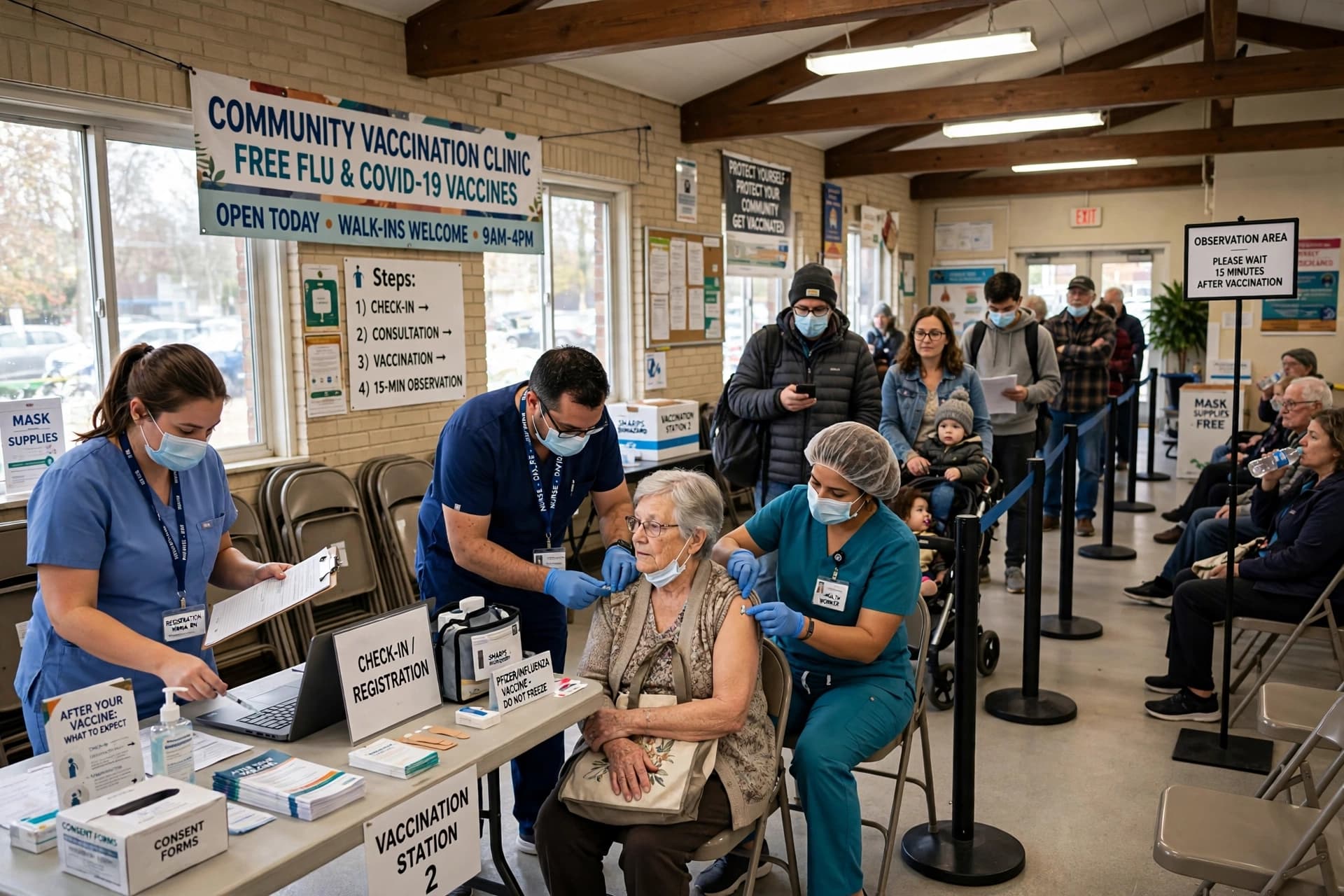
The outbreak has placed immense strain on local health systems. Staff at state health centers have administered more than 5,500 MMR vaccinations through 180 pop-up clinics in affected communities since late April. Dozens of additional clinics are planned . In September alone, health care providers in Pennsylvania gave more than 53,000 MMR doses .
The measles, mumps, and rubella vaccine is 97 percent effective after two doses. Yet declining trust in vaccines and a shift in federal messaging have created conditions in which a disease declared eliminated in the United States in 2000 is again claiming lives. "Every one of these deaths was preventable," Adalja said . The words are simple, and they carry the weight of five people who did not have to die. The outbreak continues. The vaccination clinics will continue. And public health officials will continue to count the cases, the hospitalizations, and the deaths, hoping the numbers eventually begin to fall.
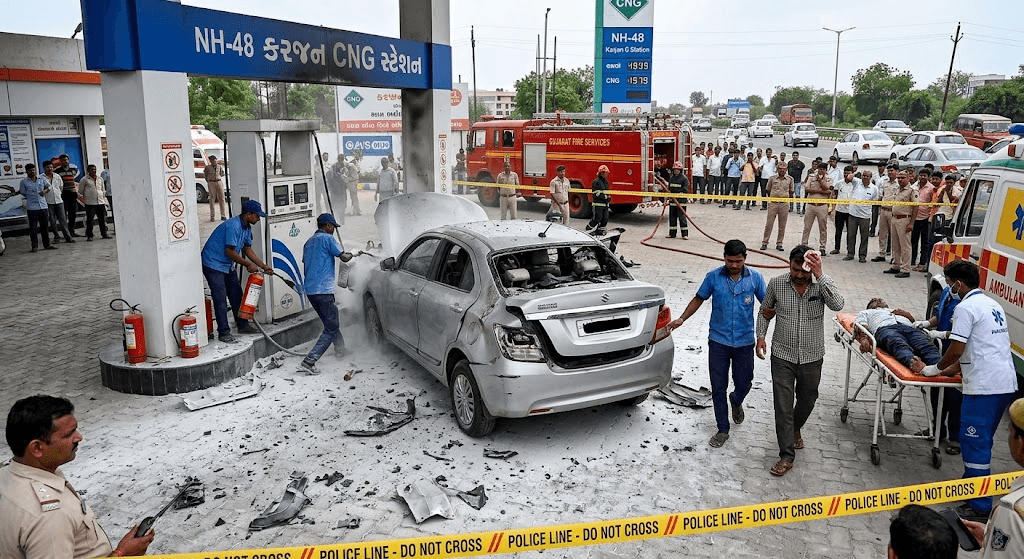
AI Image Disclaimer: The visual elements in this article were created using AI generation tools and are intended for illustrative purposes only.
Sources: Washington Post, Reuters via PM360, The Guardian, TribLIVE, Exercise Helps You Sleep
Published by Banx Network. This article is part of the Banx decentralized media programme, powered by the BXE token on the XRP Ledger.