
Key Highlights
- International Reputation:Pedro Sánchez is recognized for his progressive reforms and leadership on global issues.
- Domestic Challenges:Rising inflation and employment concerns are causing discontent among Spanish citizens.
- Political Controversies:Coalition governance has led to instability and criticism of Sánchez's administration.
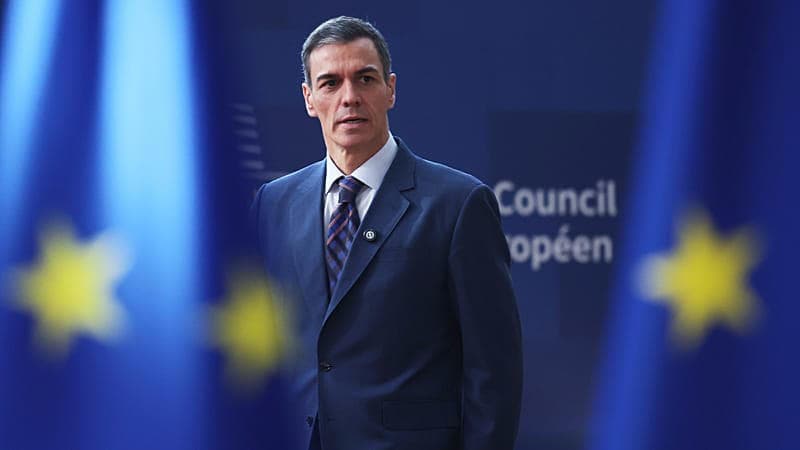
Pedro Sánchez, the Prime Minister of Spain, finds himself in a unique situation where he enjoys a warm welcome abroad, yet faces mounting criticism at home. His leadership has been characterized by progressive reforms and a notable presence in international forums, but this acclaim contrasts sharply with his decreasing popularity among the Spanish populace.
Several factors contribute to this paradox. Economic issues have been a significant concern for Sánchez's government. Spain has grappled with rising inflation, which has affected the cost of living for many citizens. Despite the government's efforts to implement measures aimed at mitigating these economic challenges, such as subsidies and tax reforms, many Spaniards feel that their lived experiences do not reflect the positive economic narrative promoted by the administration. This disconnect has fueled frustration among voters, particularly as they navigate the realities of everyday life amidst economic uncertainty.
Political controversies have also plagued Sánchez’s administration. His reliance on smaller parties to maintain a governing majority has led to criticisms of unstable policies and contentious compromises. This coalition governance model, while necessary for maintaining power, has alienated traditional supporters who feel that their interests are being sidelined in favor of political expediency. The perception of instability has further eroded confidence in Sánchez's leadership, with many citizens questioning the effectiveness of his government.
Public sentiment towards Sánchez has shifted dramatically in recent months. Many Spaniards express frustration over perceived political ineffectiveness, with some viewing Sánchez as disconnected from the reality faced by everyday citizens. This disconnect is evident in recent polling, which shows a growing discontent among voters, particularly younger demographics who initially rallied around his progressive agenda. As these voters become increasingly disillusioned, Sánchez faces the challenge of re-engaging them ahead of upcoming regional elections.
Even as Sánchez navigates these turbulent waters, his international reputation remains largely intact. He has positioned Spain as a proactive player in addressing global issues such as climate change and migration, earning accolades on foreign soil. His participation in international forums has bolstered Spain's image, showcasing the country as a leader in progressive policies and humanitarian efforts.
The divergence between Sánchez's standing abroad and at home presents significant challenges for his political future. With regional elections on the horizon, the Prime Minister must address the domestic concerns that threaten his governance. Understanding the sentiment of the Spanish people will be critical as he seeks to bridge the gap between international acclaim and national discontent. Failure to do so could jeopardize his administration and the progressive agenda he has championed since taking office.
Published by Banx Network. This article is part of the Banx decentralized media programme, powered by the BXE token on the XRP Ledger.



