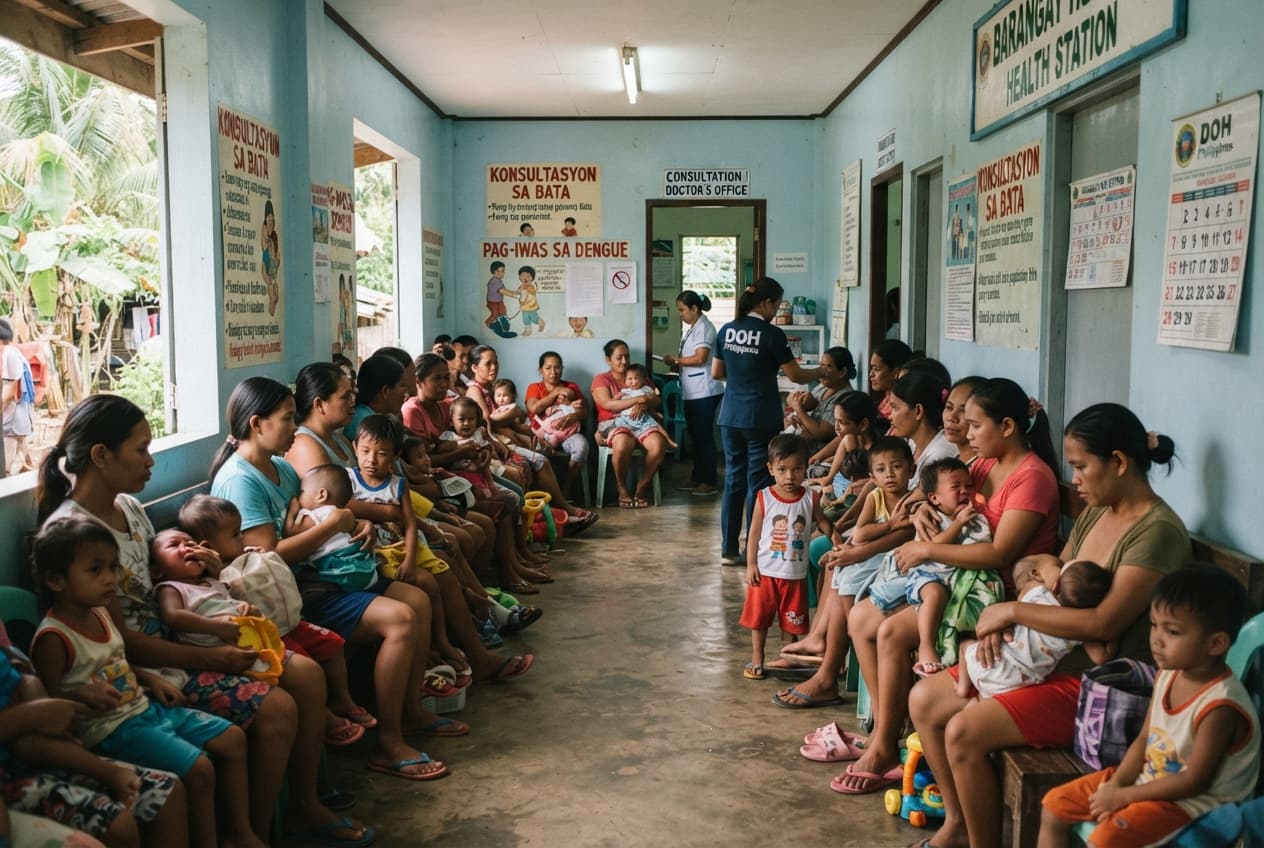
Legazpi, Philippines—Health authorities in the Bicol region reported a devastating spike in pediatric dengue fever cases after four children died over the past two days. Local hospitals are struggling to accommodate the sudden wave of patients exhibiting high fevers and severe hemorrhagic symptoms. Regional health offices raised an immediate alert as admissions for vector-borne illnesses doubled across rural health centers since Monday. Families arrived at crowded municipal clinics, carrying listless children as waiting times extended for several hours.
Medical teams have launched an aggressive mosquito-abatement campaign, focusing on stagnant water sources and debris piles near rural schools. Entomologists warn that the recent cycle of erratic rainfall has created ideal breeding conditions for the Aedes aegypti mosquito. Provincial governors ordered local barangay captains to perform daily clearing operations for standing water containers and discarded tires. Parents expressed growing alarm, noting that many local pharmacies ran out of fever-reducing medication and rehydration supplies yesterday.
Public health officials cautioned that early diagnosis remains the single most effective tool for preventing fatality in pediatric dengue cases. Many of the current patients were brought in only after showing signs of severe shock, significantly limiting clinical intervention options. Rural doctors are currently utilizing community radio broadcasts to disseminate information on identifying early warning signs. Regional health directors have requested extra blood component supplies from the national blood center to treat the surge in hemorrhagic fever cases.
The emotional toll on local villages is extreme as households manage the loss of multiple youths in such a short window. We are advising parents to use bed nets and wear long-sleeved clothing during the peak mosquito activity hours of dawn and dusk, said regional health spokesperson Maria Santos. Sanitation inspectors continue to visit residential neighborhoods to apply larvicide treatments to uncovered water storage jars. The provincial government released emergency funds to bolster the diagnostic capabilities of municipal laboratories.
Long queues formed outside public health centers this morning as residents lined up for rapid antigen testing and general consultations. Doctors work under significant stress, balancing standard patient loads with the increasing demand from the dengue epidemic. The regional health department is coordinating with local educational boards to ensure school campuses undergo thorough insecticide fogging before classes resume. Surveillance teams track the geographic spread of the virus to identify emerging clusters for prioritized intervention.
Community leaders and religious organizations joined forces to spread awareness and organize cleanup drives across the region. Health authorities maintain that the trend could worsen if community compliance with preventative measures remains inconsistent. Regional hospitals are currently reviewing their surge capacity protocols to ensure they can manage a projected increase in patient intake through the weekend.
Published by Banx Network. This article is part of the Banx decentralized media programme, powered by the BXE token on the XRP Ledger.