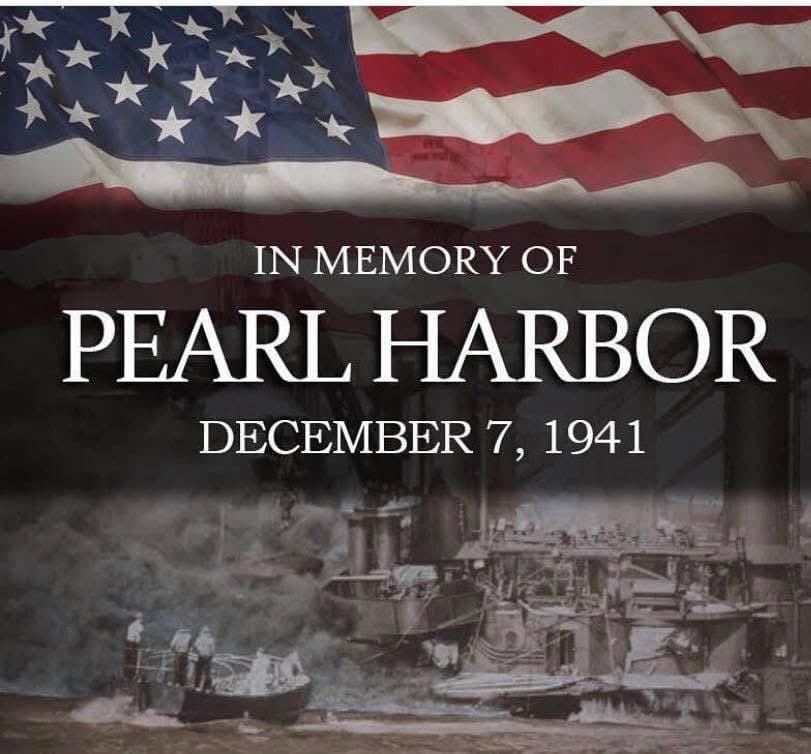
Every year on December 7th, the United States pauses to remember one of the most defining moments in its history: the attack on Pearl Harbor in 1941. What began as a quiet Sunday morning in Hawaii turned into a turning point that reshaped America’s military, its global role, and its national identity for generations.
The surprise assault by the Imperial Japanese Navy destroyed battleships, aircraft, and claimed over 2,400 American lives. But it also did something else—something that continues to echo across decades: it unified a divided nation and propelled the United States into World War II with overwhelming resolve. The event awakened American industry, strengthened alliances, and marked the beginning of the country’s rise as a global superpower.
The screenshot you shared touches on a symbolic debate still alive today: the shift from “War Department” to “Department of Defense.”
From 1789 to 1947, America’s military leadership was officially known as the War Department.
After World War II, it was renamed the Department of Defense, reflecting a move toward global cooperation and strategic protection rather than open warfare.
Some believe the original name carried more strength and historical honesty, while others see “Defense” as a reflection of a modern, stabilizing force.
As discussions about defense, security, and military identity continue, Pearl Harbor remains a powerful reminder of why preparedness, unity, and national resilience matter. It is more than a memorial date—it represents sacrifice, awakening, and transformation.
Simple Facts Attached
Date of attack: December 7, 1941
Casualties: Over 2,400 Americans
Ships damaged/destroyed: 19
Reason for attack: Japan sought to prevent U.S. interference in its Pacific expansion
Outcome: United States formally entered World War II the next day
Long-term impact: Sparked major military modernization, global leadership role, and reshaped defense strategy
Pearl Harbor Day stands as a solemn reminder that moments of tragedy often become the origins of national strength. The legacy of that day continues to shape America’s identity—past, present, and future.
Published by Banx Network. This article is part of the Banx decentralized media programme, powered by the BXE token on the XRP Ledger.