There are homes that tell stories long before a door is opened. Their walls hold routines, their windows reflect passing seasons, and their thresholds quietly mark belonging. Yet, from time to time, those thresholds become uncertain places, where ownership and occupancy drift apart like lines drawn in sand after a tide.
Such uncertainty surfaced in Georgia when a man occupying a home described his presence not as trespass, but as a “peaceful hostile takeover.” The phrase itself carries a strange calm, pairing gentleness with confrontation, and it has drawn attention far beyond a single address. It reflects a broader tension now playing out across parts of the United States, where the legal boundaries between property rights and occupancy claims are being tested.
In this case, the homeowner said the property was entered and occupied without permission, while the squatter argued that existing legal protections allowed him to remain until formally removed through court proceedings. The dispute exposed how laws designed to prevent unlawful evictions can, in some situations, leave property owners navigating long and costly legal paths to regain control of their own homes.
Across the country, similar stories have surfaced, often amplified by social media and local news coverage. They tend to follow a familiar pattern: an absent homeowner, an occupied property, and a legal process that moves more slowly than emotions or expectations. In these gaps, frustration grows, and questions arise about whether the balance between tenant protections and owner rights has shifted too far.
State lawmakers have taken notice. In Georgia and several other states, proposals and newly passed laws aim to clarify definitions of squatting, accelerate removal procedures, and strengthen penalties for unlawful occupancy. Supporters say these measures are meant to restore confidence in property ownership and prevent abuse of legal safeguards. Critics, meanwhile, caution that changes must be crafted carefully to avoid unintended harm to lawful tenants and vulnerable individuals.
The Georgia case has become a symbol rather than an exception, illustrating how a single home can sit at the center of national debate. It invites reflection on how laws evolve, how language shapes perception, and how systems designed for fairness can strain under modern pressures.
At its core, the issue is not only legal but deeply human. A home represents stability and investment, while housing insecurity remains a persistent reality for many. Between these truths lies a narrow path that lawmakers and courts continue to navigate, searching for equilibrium rather than victory.
In practical terms, state officials say the new measures are intended to provide clearer guidance for law enforcement and courts when disputes arise. As legislation advances and cases move through the system, homeowners and occupants alike are watching closely to see how the rules of entry, exit, and ownership will be interpreted going forward.
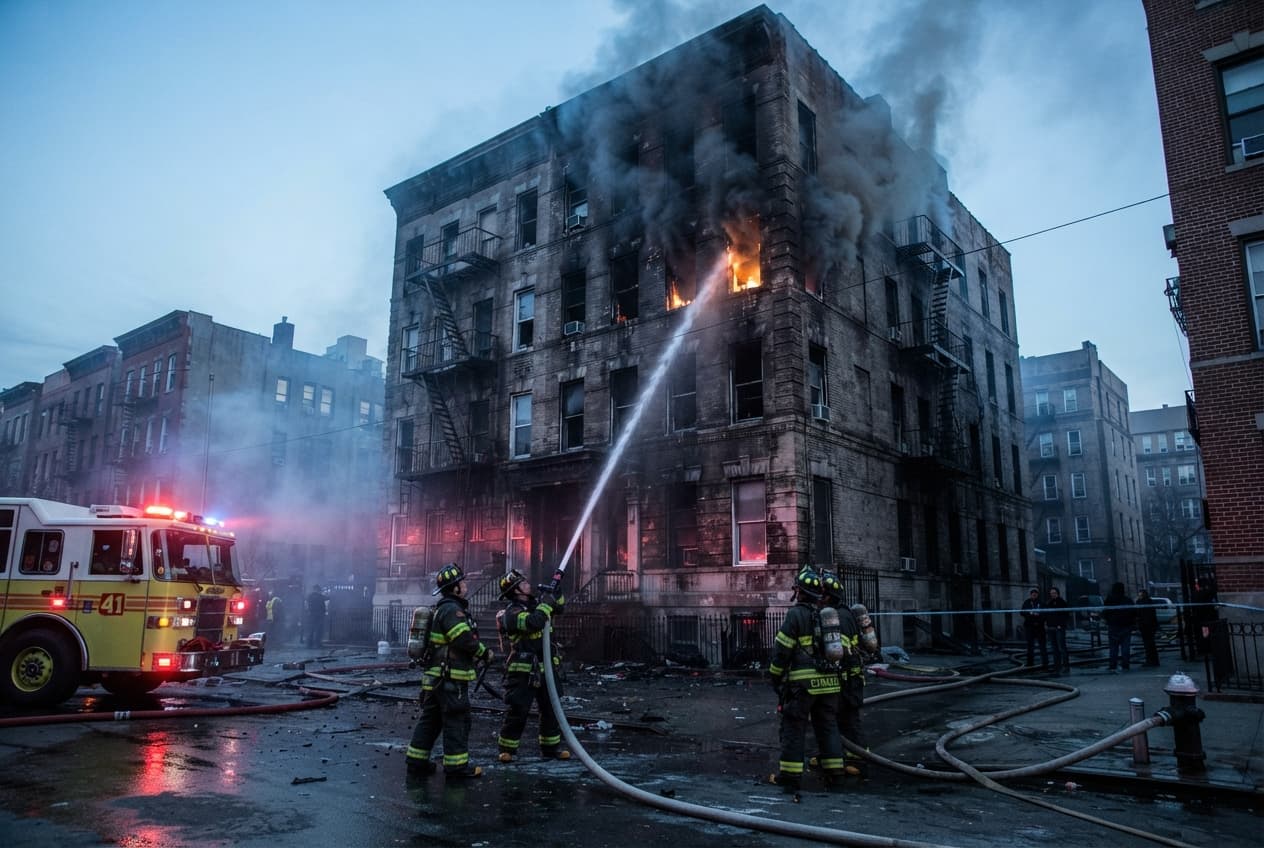
AI Image Disclaimer
“Graphics are AI-generated and intended for representation, not reality.”
---
Sources
Reuters
Associated Press
The New York Times
The Washington Post
NBC News
Published by Banx Network. This article is part of the Banx decentralized media programme, powered by the BXE token on the XRP Ledger.