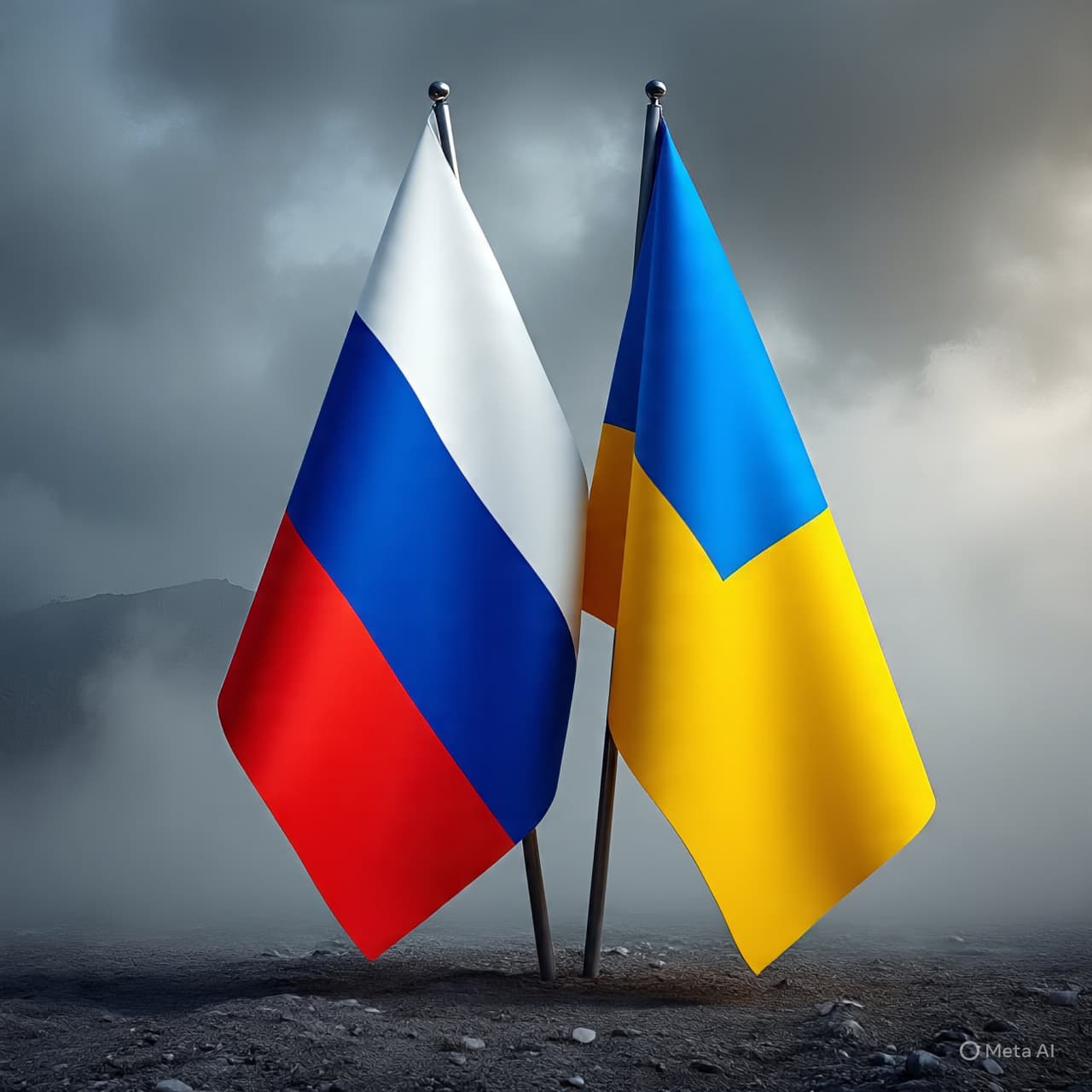
Questions about whether Russia is ready to end the war in Ukraine surface regularly, often prompted by shifts in rhetoric rather than behavior. Statements hinting at negotiations, ceasefires, or “dialogue” recur with familiar rhythm. Yet when measured against actions on the ground, the answer offered by the Institute for the Study of War is notably restrained.
ISW’s assessments suggest that Moscow’s signals are less about closure than control. Russia continues to frame the war not as a finite campaign but as an open-ended struggle shaped by historical grievance and security narratives. This framing leaves little room for compromise, because it defines success not as peace, but as the reshaping of Ukraine’s future.
A central concern highlighted by analysts is the function of diplomacy itself. From Moscow’s perspective, negotiations are not inherently about ending conflict. They are tools—mechanisms to manage tempo, relieve pressure, or reposition forces. ISW notes that Russia has historically used ceasefires and talks to regroup militarily, rather than as steps toward durable settlements.
On the battlefield, there is little to suggest preparation for disengagement. Russian forces continue offensive operations, adapt tactics, and expand defense-industrial output. Mobilization structures remain intact. These are not the signals of a state preparing to wind down a war; they are the mechanics of endurance.
Rhetoric reinforces this reading. Russian officials persistently restate maximalist objectives, including territorial claims and demands that Ukraine abandon its sovereignty choices. Such conditions, by design, are incompatible with Kyiv’s stated red lines. ISW interprets this gap not as a negotiating position awaiting adjustment, but as evidence that Moscow is comfortable with prolongation.
There is also a domestic dimension. The war has been embedded into Russia’s political narrative as a civilizational struggle. Ending it without clear, claimable gains would carry internal risk. A prolonged conflict, managed rather than resolved, allows the Kremlin to sustain control over messaging, dissent, and economic prioritization.
This does not mean Russia rejects talks outright. On the contrary, engagement itself can be strategically valuable. Dialogue can weaken international unity, test Western resolve, and shift responsibility for continuation onto others. ISW’s analysis treats such engagement as tactical flexibility, not strategic reversal.
For Ukraine and its partners, the implication is sobering. A war can only end when both sides believe continued fighting is costlier than compromise. ISW sees no evidence that Russia has reached that calculation. Instead, Moscow appears prepared to absorb costs in pursuit of leverage, time, and incremental advantage.
So when the question is asked—whether Russia is truly ready to end the war—the answer, for now, remains cautious but firm. The language of peace is present. The architecture of peace is not.
Published by Banx Network. This article is part of the Banx decentralized media programme, powered by the BXE token on the XRP Ledger.