

Key Highlights
- Expanded Security:Nigerian authorities have intensified security operations in northern states.
- Armed Attacks:Recent violence has prompted a response to protect local communities.
- Community Resilience:Residents continue to hope for stability amid ongoing challenges.
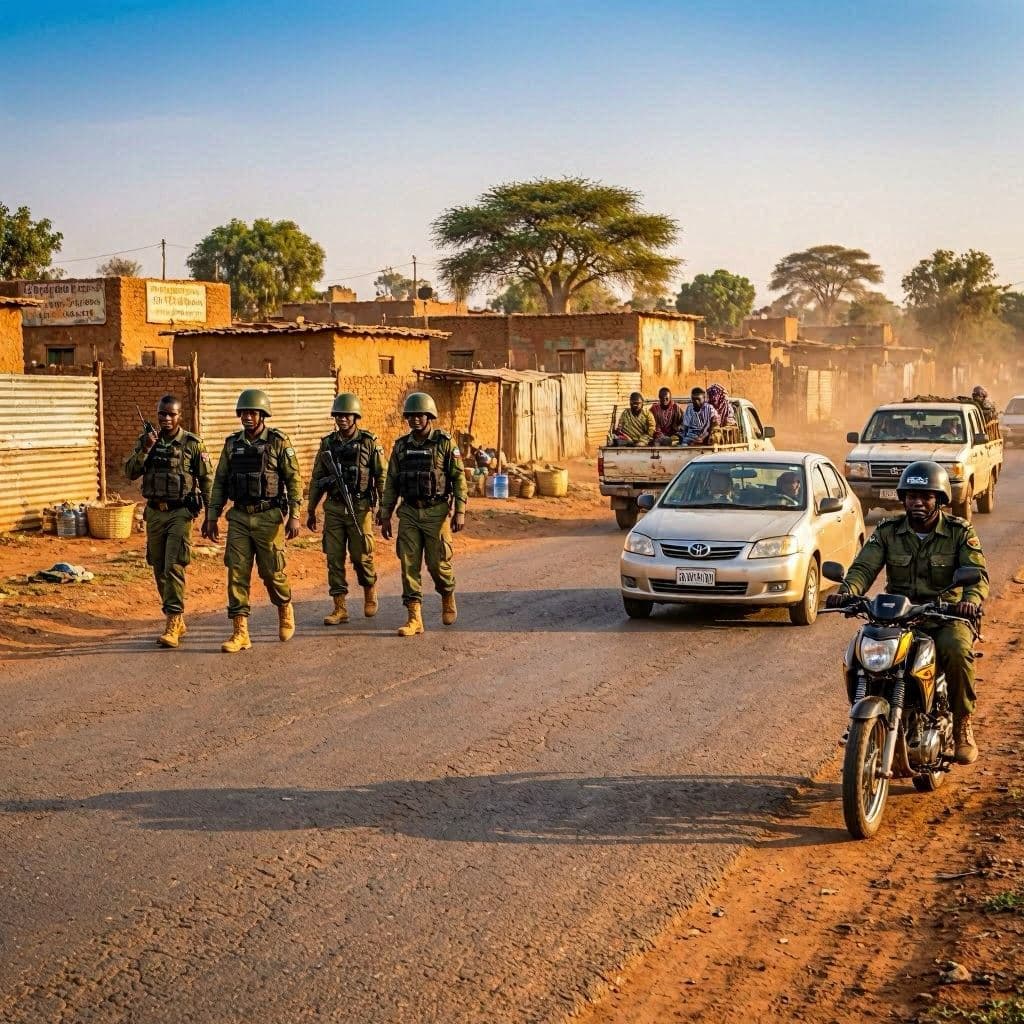
Nigerian authorities have ramped up security operations across several northern states in response to a series of armed attacks that have disrupted local communities. The government has deployed additional personnel and intelligence resources to enhance public safety and prevent further incidents, reflecting a commitment to restoring stability in the region.
The coordinated efforts involve military units, police, and regional security agencies working together to improve surveillance and respond swiftly to security threats. Officials emphasize that the primary goal is to protect civilians living in vulnerable areas, where fear and uncertainty have become part of daily life.
Northern Nigeria has faced persistent security challenges, with armed groups operating in remote regions complicating transportation, agriculture, and access to essential public services. These conditions have drawn the attention of national authorities, who are keen to address the root causes of instability while ensuring the safety of residents.
Security analysts highlight that military operations alone cannot guarantee long-term stability. They argue that a comprehensive approach is necessary, which includes strengthening local governance, expanding economic opportunities, and improving public services alongside security measures. This multifaceted strategy is crucial for fostering resilience in affected communities.
Humanitarian organizations are actively monitoring the situation for residents displaced by violence. Their assistance programs focus on providing food, healthcare, education, and temporary shelter, while also advocating for safe conditions that would allow displaced individuals to return home. The ongoing support is vital for rebuilding lives and communities affected by conflict.
Regional cooperation is also essential, as security challenges often transcend national borders. Neighboring countries have been sharing intelligence and coordinating efforts to limit the movement of armed groups operating in parts of West Africa. This collaborative approach is critical for enhancing security and stability in the region.
Despite the ongoing challenges, residents in affected communities express hope that increased security measures will gradually restore confidence in their everyday lives. Markets, schools, and farms are seen as vital indicators of stability, and many are eager to resume normal activities safely.
Authorities have indicated that security operations will continue as assessments of the situation remain ongoing. The future developments in northern Nigeria will largely depend on the effectiveness of these security measures and the cooperation between government agencies, local communities, and regional partners.
AI Image Disclaimer: This article includes an AI-generated illustration created to visually represent the reported situation without depicting actual individuals or events.
Published by Banx Network. This article is part of the Banx decentralized media programme, powered by the BXE token on the XRP Ledger.




