

Key Highlights
- Ceasefire in the Middle East has prompted renewed diplomatic discussions.
- U.S. officials are working with regional partners to maintain peace.
- Humanitarian organizations are expanding aid access to affected communities.
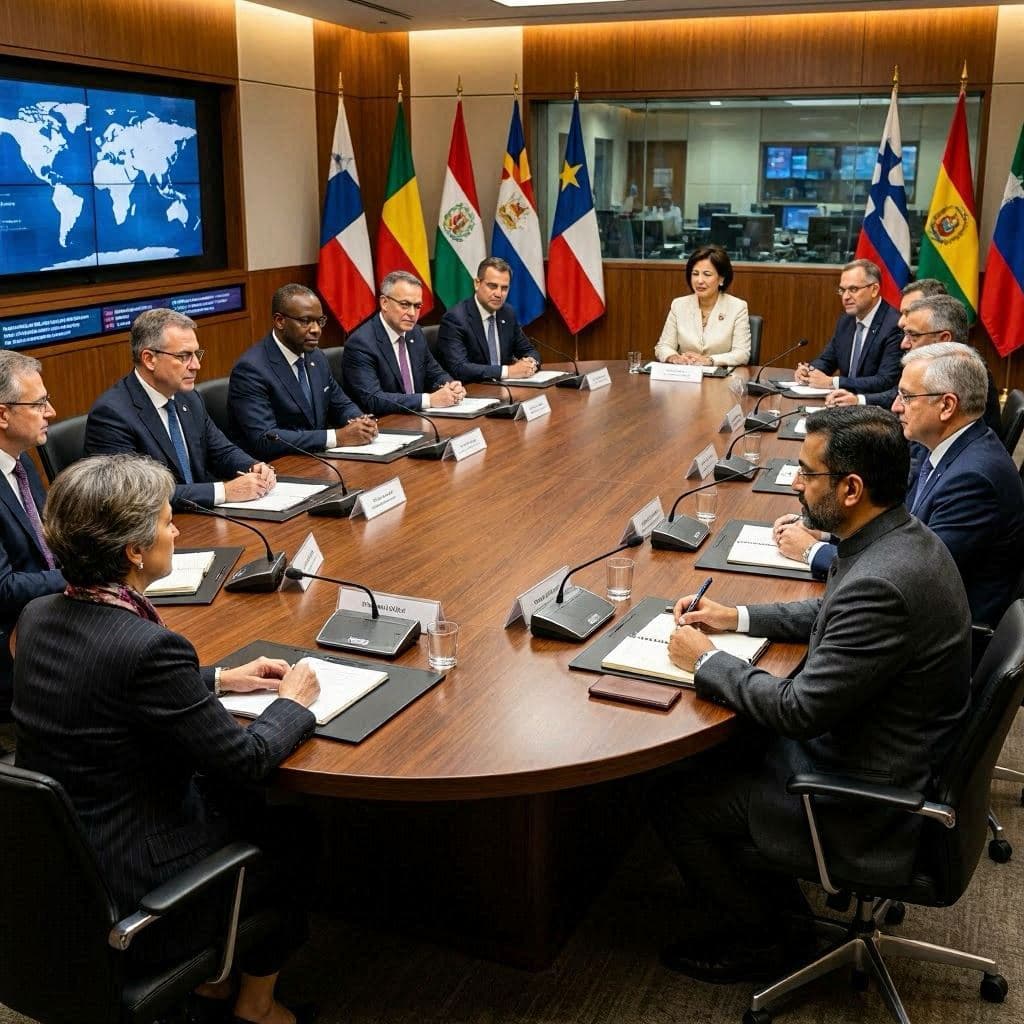
Diplomacy often begins in the quiet aftermath of conflict, where the cessation of hostilities marks not an end, but a new beginning. Following the recent ceasefire in the Middle East, the United States is actively engaging in diplomatic discussions aimed at reinforcing this fragile peace. These conversations are crucial as they seek to address not only the immediate cessation of violence but also the underlying issues that have historically fueled conflict in the region.
American officials are collaborating with various governments to ensure that the ceasefire holds and to mitigate the risk of renewed hostilities. This diplomatic engagement is characterized by a focus on practical solutions that can sustain calm while simultaneously addressing urgent humanitarian needs. The ceasefire has opened pathways for aid organizations to deliver essential services to communities affected by weeks of violence, including food, medical assistance, and emergency relief efforts.
Despite the positive developments, diplomats recognize that a ceasefire is merely a preliminary step in a much longer journey toward lasting peace. Long-standing political disagreements, security concerns, and regional tensions remain unresolved, necessitating ongoing international engagement. The United States has reiterated its commitment to working alongside allies and regional governments, emphasizing that diplomacy is the preferred method for reducing instability and preventing future escalations.
International organizations have welcomed the reduction in violence, urging all parties to adhere to ceasefire commitments. Monitoring the situation is critical as humanitarian needs continue to grow alongside political negotiations. The interplay between these two aspects will be vital in determining the future stability of the region.
Foreign policy experts highlight that achieving and maintaining peace often requires patience and incremental progress rather than grand announcements. Small diplomatic victories can gradually foster trust among conflicting parties, even when comprehensive agreements seem elusive. The current diplomatic activities are taking place behind closed doors, away from the battlefield, and their success will hinge on the cooperation of regional leaders and the broader international community.
As the situation evolves, the focus remains on sustaining the ceasefire and addressing the humanitarian crisis that has emerged from the conflict. The coming weeks and months will be critical in shaping the trajectory of peace in the Middle East, as the world watches closely to see if these diplomatic efforts can lead to a more stable and secure future.
Published by Banx Network. This article is part of the Banx decentralized media programme, powered by the BXE token on the XRP Ledger.




