
Key Highlights
- Lebanon's latest peace agreement is seen as a starting point for stability.
- Domestic political divisions pose significant challenges to the agreement's success.
- International partners emphasize the need for ongoing dialogue and reforms.
Lebanon's recent diplomatic framework has garnered significant international attention, marking what many see as the beginning of a long journey toward stability rather than a definitive endpoint. The agreement, while a crucial step, faces numerous challenges that could hinder its effectiveness. Analysts emphasize that the internal political landscape remains deeply divided, with unresolved security concerns complicating the path forward.
The ongoing domestic political divisions in Lebanon are a major obstacle to the success of the peace agreement. Various factions within the country have differing priorities and agendas, which can lead to gridlock in implementing necessary reforms. Observers note that without a unified approach, the potential for the agreement to foster lasting peace diminishes significantly.
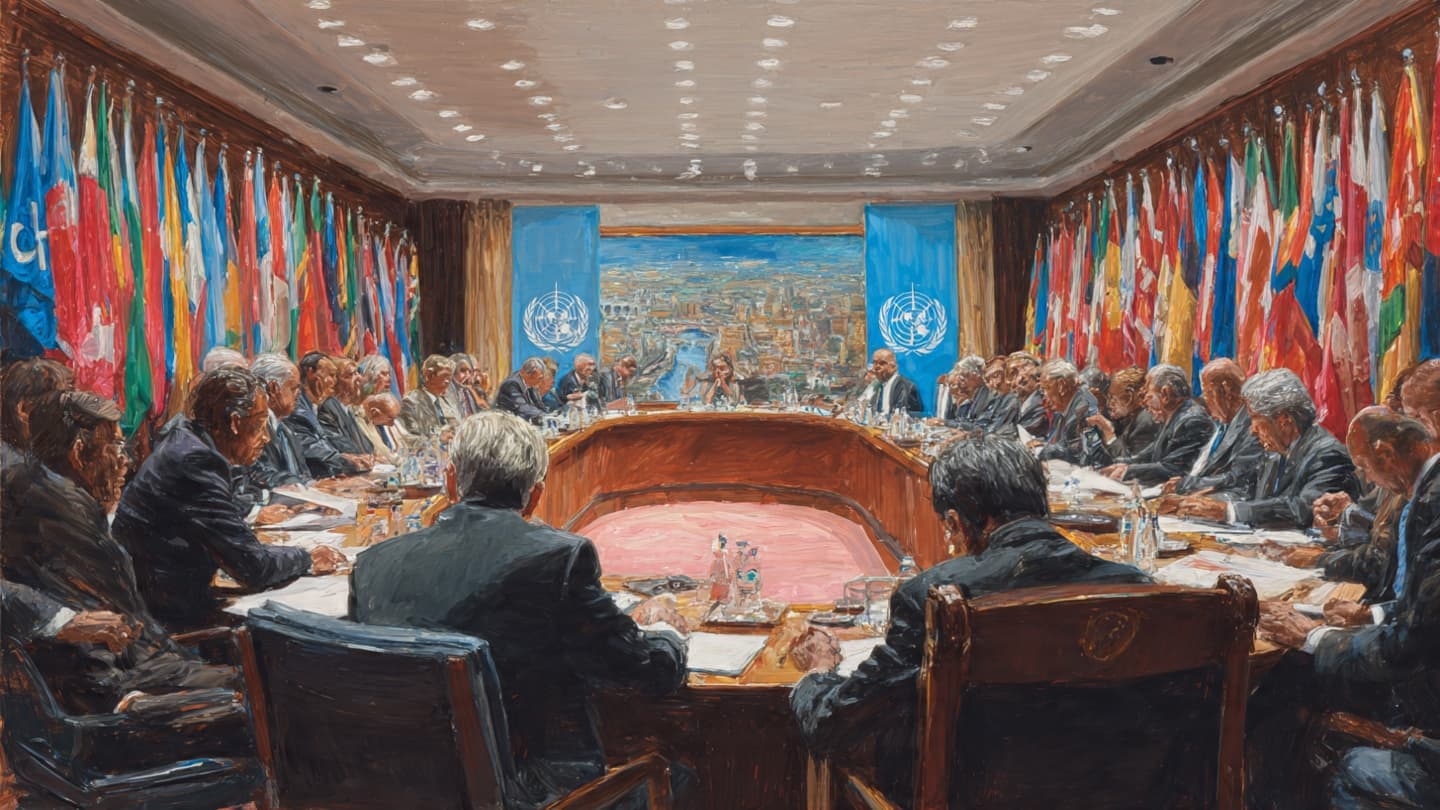
International partners, including the United Nations and various countries, have been actively encouraging dialogue among Lebanese leaders. They stress the importance of institutional reforms that can strengthen the framework of the agreement. These reforms are seen as essential not only for political stability but also for rebuilding trust among the Lebanese populace.
Economic recovery and humanitarian progress are closely tied to the political situation in Lebanon. Experts believe that sustained political stability is crucial for attracting foreign investment and aid, which are necessary for revitalizing the economy. The international community's continued support is viewed as vital in maintaining momentum and encouraging local leaders to prioritize the implementation of the agreement.
Despite the considerable challenges that lie ahead, there is a prevailing belief among analysts that patient and persistent negotiations can pave the way for a more secure and stable future for Lebanon. The commitment of both local and international stakeholders to engage in ongoing dialogue is seen as a key factor in overcoming the obstacles that currently exist.
In conclusion, while Lebanon's peace agreement is a significant milestone, it is clear that achieving lasting stability will require more than just signatures on a document. The path forward will demand a concerted effort from all parties involved, emphasizing the need for dialogue, reform, and international support to ensure that the agreement translates into real change on the ground.
Published by Banx Network. This article is part of the Banx decentralized media programme, powered by the BXE token on the XRP Ledger.



