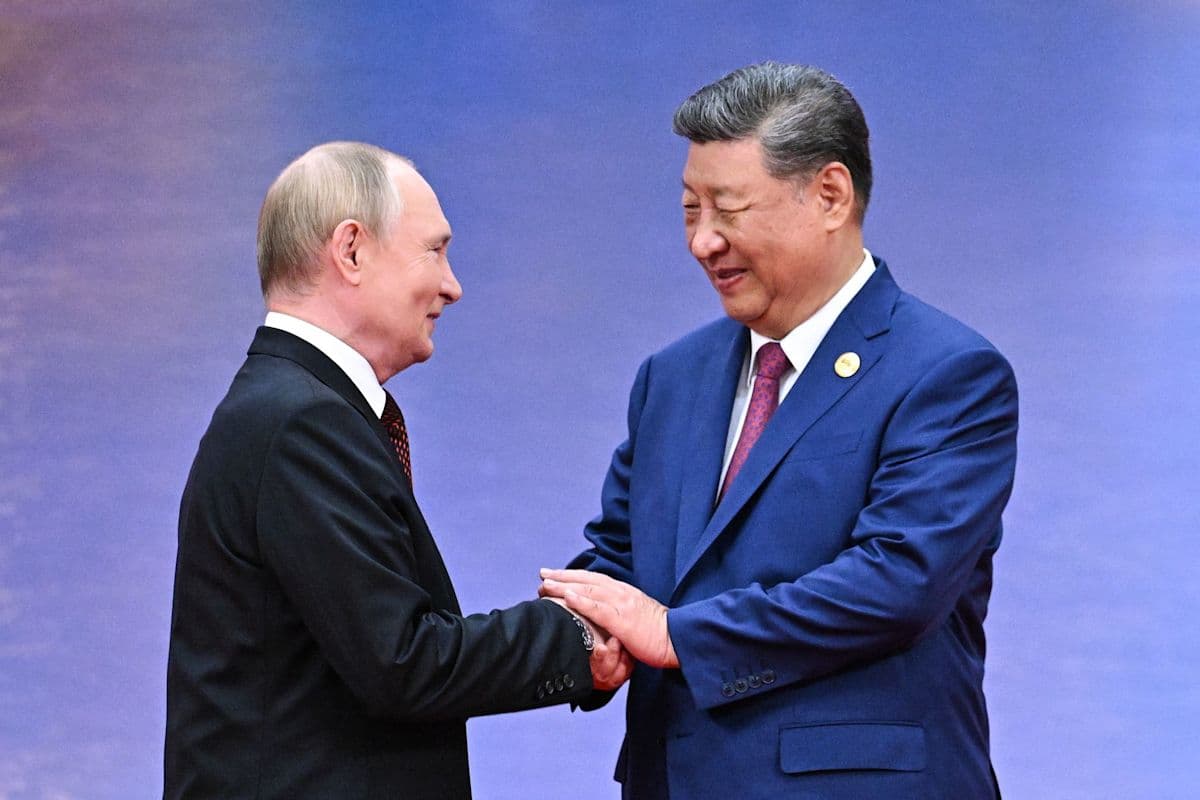
Diplomacy often resembles a bridge built while a river is still moving beneath it. Agreements may appear close at hand, yet a single unexpected event can test the strength of months of negotiations. That tension was evident as President Donald Trump celebrated progress toward a major peace arrangement while simultaneously expressing frustration toward one of America’s closest regional partners.
According to multiple reports, Trump reacted sharply to an Israeli military strike that occurred shortly before the announcement of a diplomatic understanding involving the United States and Iran. The timing of the operation became a source of tension between Washington and Jerusalem.
Trump reportedly criticized Israeli Prime Minister Benjamin Netanyahu in unusually direct terms, arguing that the military action risked complicating a delicate diplomatic moment. His remarks highlighted a rare public disagreement between the two leaders.
The peace initiative itself has attracted considerable attention because of its potential impact on regional stability, maritime trade routes, and broader geopolitical relationships throughout the Middle East. Markets responded positively to reports of diplomatic progress.
Supporters of the agreement view it as an opportunity to reduce tensions that have influenced global energy prices and international security calculations. They argue that sustained dialogue could provide a pathway toward a more predictable regional environment.
At the same time, critics remain cautious. They note that political agreements often face challenges during implementation, especially when multiple governments and security interests are involved.
The dispute between Trump and Netanyahu underscores the complexity of alliance management during periods of intense diplomacy. Even close partners can differ over timing, strategy, and risk assessment.
Observers are now watching whether the diplomatic framework can maintain momentum despite public disagreements and continuing military developments elsewhere in the region.
Officials involved in negotiations have indicated that discussions remain active, with hopes that diplomatic gains can be preserved while preventing further escalation.
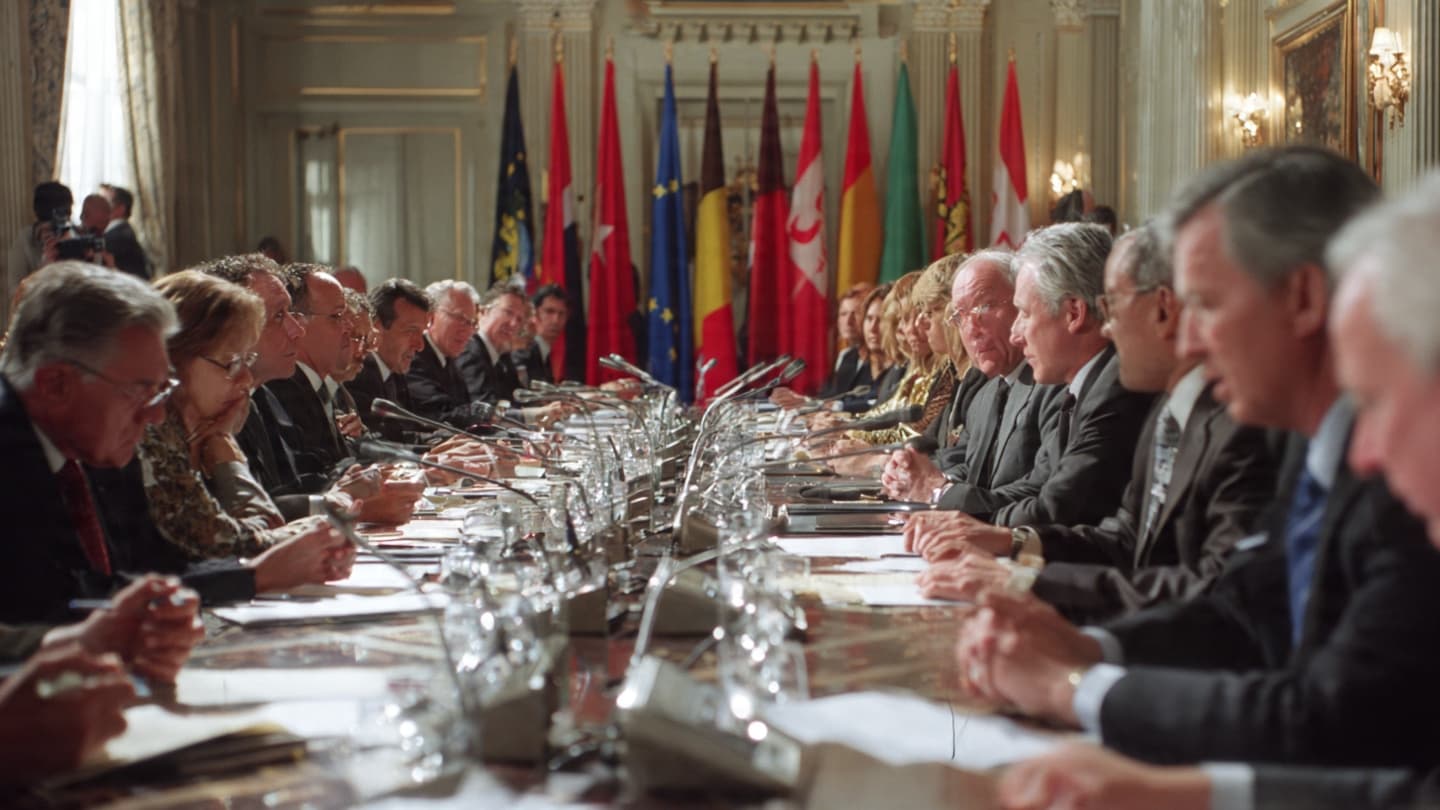
AI Image Disclaimer: This article includes an AI-generated illustration intended solely for visual context and not as a documentary image.
Sources: Reuters, Fortune, The Times, The Guardian
Published by Banx Network. This article is part of the Banx decentralized media programme, powered by the BXE token on the XRP Ledger.