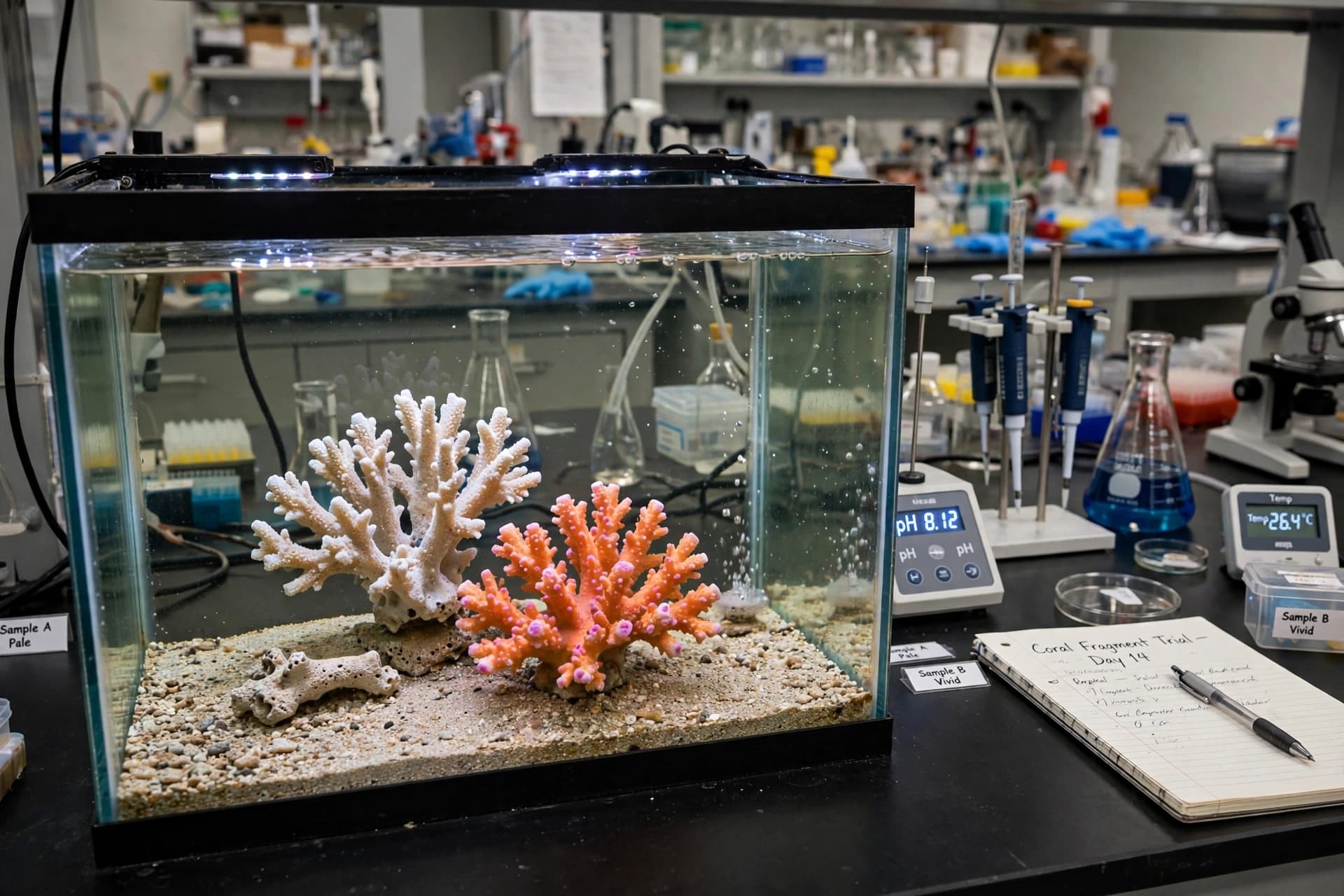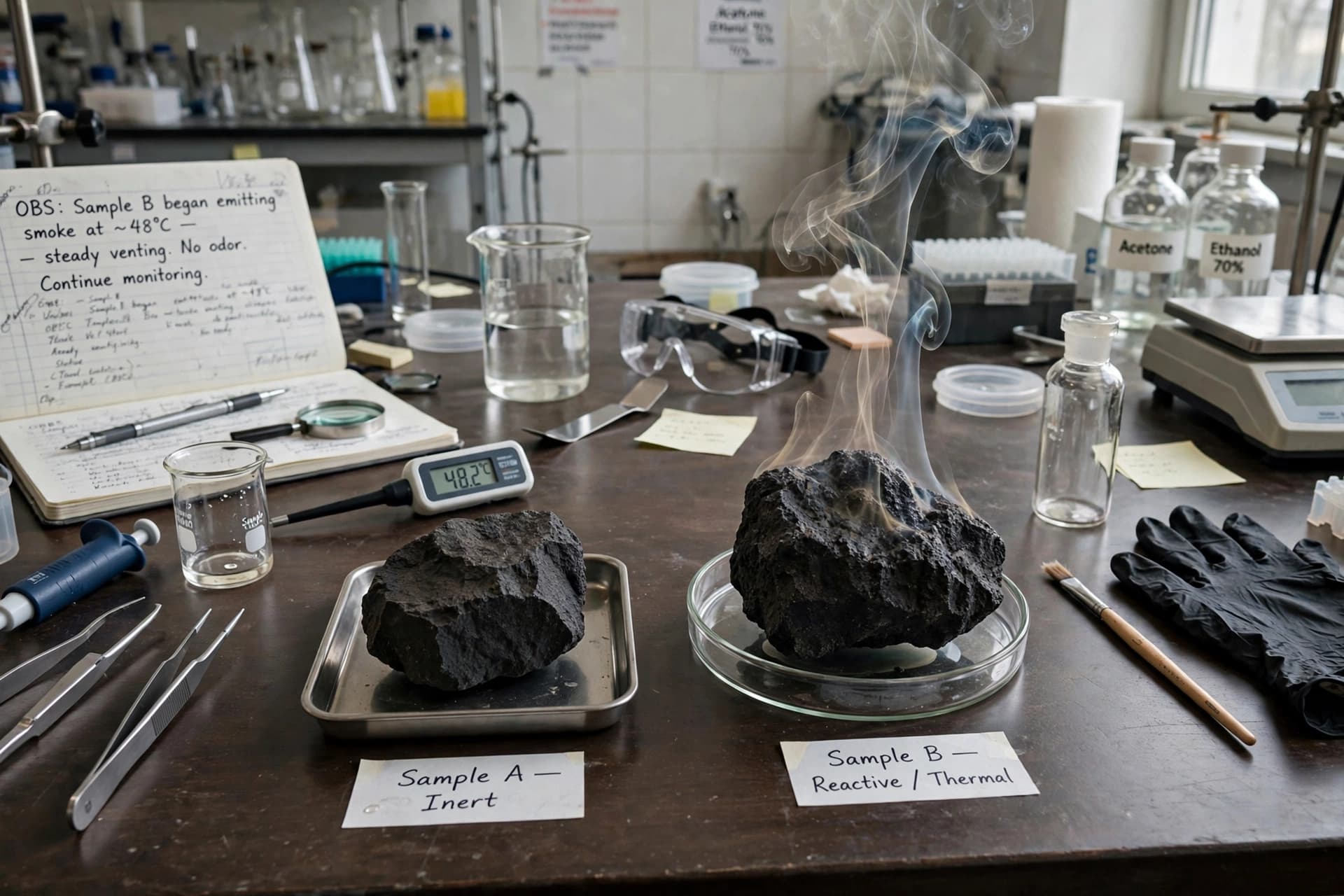
In the quiet hum of our everyday lives, the world we cannot see drifts silently alongside us. Scientists are now raising a warning about a microscopic menace: nanoplastics, so small that they slip through filters, sink into waterways, and ultimately find their way into our own cells. Recent studies reveal that high exposure to these particles can cause damage to kidney cells, a discovery that casts a shadow on the invisible consequences of modern pollution.
The research, conducted in controlled laboratory settings, shows that once nanoplastics enter the body, they can trigger cellular stress, inflammation, and structural changes in kidney tissue. While the particles are nearly imperceptible, their impact is tangible—a reminder that the smallest fragments can carry profound effects. The findings underscore how human activity, once thought remote and distant, leaves traces that ripple inward, reaching the intimate architecture of our bodies.
This revelation is both scientific and symbolic. It speaks to the interconnectedness of environment and health, of oceans and organs, of the microscopic and the human. Each plastic fragment floating in rivers or leaching from packaging becomes part of a larger narrative: that of a planet whose materials, once external, now travel inward, quietly shaping our biology.
As researchers continue to map the journey of nanoplastics and their effects, the message is clear. Awareness is the first line of defense. From policy to personal choices, the response must be as subtle and persistent as the particles themselves. For beneath the surface of everyday life, the delicate balance of our cells is more entwined with the environment than we might imagine.
AI Image Disclaimer Illustrations were created using AI tools and are not real photographs.
Sources Nature Nanotechnology Science Daily Environmental Health Perspectives American Journal of Kidney Diseases National Institutes of Health
Published by Banx Network. This article is part of the Banx decentralized media programme, powered by the BXE token on the XRP Ledger.