In the hallowed halls of Congress, where testimony is given and accountability is sought, the invocation of the Fifth Amendment is a right deeply rooted in the Constitution. Yet, when a public figure like Dr. Anthony Fauci chooses this path, it often sparks intense debate and political maneuvering. Tomorrow, a Senate committee is set to vote on whether to hold the former NIH director in contempt of Congress for refusing to answer questions during a recent hearing. This vote is not just a procedural step but a reflection of the deep partisan divides that continue to shape American politics.
Dr. Fauci’s decision to invoke the Fifth Amendment over a hundred times during a Republican-led hearing on COVID-19 pandemic handling has drawn sharp criticism from GOP senators. They argue that his refusal to testify obstructs congressional oversight and prevents a full understanding of past decisions. Senator Rand Paul, a vocal critic, has been leading the charge to hold Fauci in contempt, framing it as a matter of transparency and justice.
However, legal experts point out that Fauci’s previous federal pardon, which covers actions through January 2025, complicates the situation. While a pardon protects against criminal prosecution, it does not necessarily exempt one from congressional scrutiny or contempt proceedings. The debate centers on whether the committee’s questions fall within the scope of the pardon or if they seek information that could still lead to other liabilities. This legal nuance adds layers of complexity to the upcoming vote.
For Democrats, the move is seen as politically motivated, an attempt to rehash old controversies rather than address current challenges. They argue that Fauci has already testified extensively and that the pardon should shield him from further punitive measures. The partisan nature of the hearing has led to accusations of witch hunts, with both sides digging in their heels.
The vote tomorrow will likely follow party lines, with Republicans supporting the contempt resolution and Democrats opposing it. If passed, the resolution would send the matter to the full Senate, though the likelihood of further action remains uncertain. The symbolic weight of the vote, however, is significant, signaling the continued intensity of the post-pandemic political battle.
Public opinion on Fauci remains divided, with many viewing him as a dedicated scientist and others as a controversial figure. The contempt vote may reinforce these perceptions, depending on one’s political alignment. It serves as a reminder of how public health issues have become entrenched in the broader culture war.
The contempt vote against Dr. Fauci is a pivotal moment in the ongoing political discourse surrounding the pandemic. As the committee prepares to cast their ballots, the nation watches to see how this chapter of accountability unfolds. Regardless of the outcome, the debate highlights the enduring tensions between executive authority, legislative oversight, and individual rights.
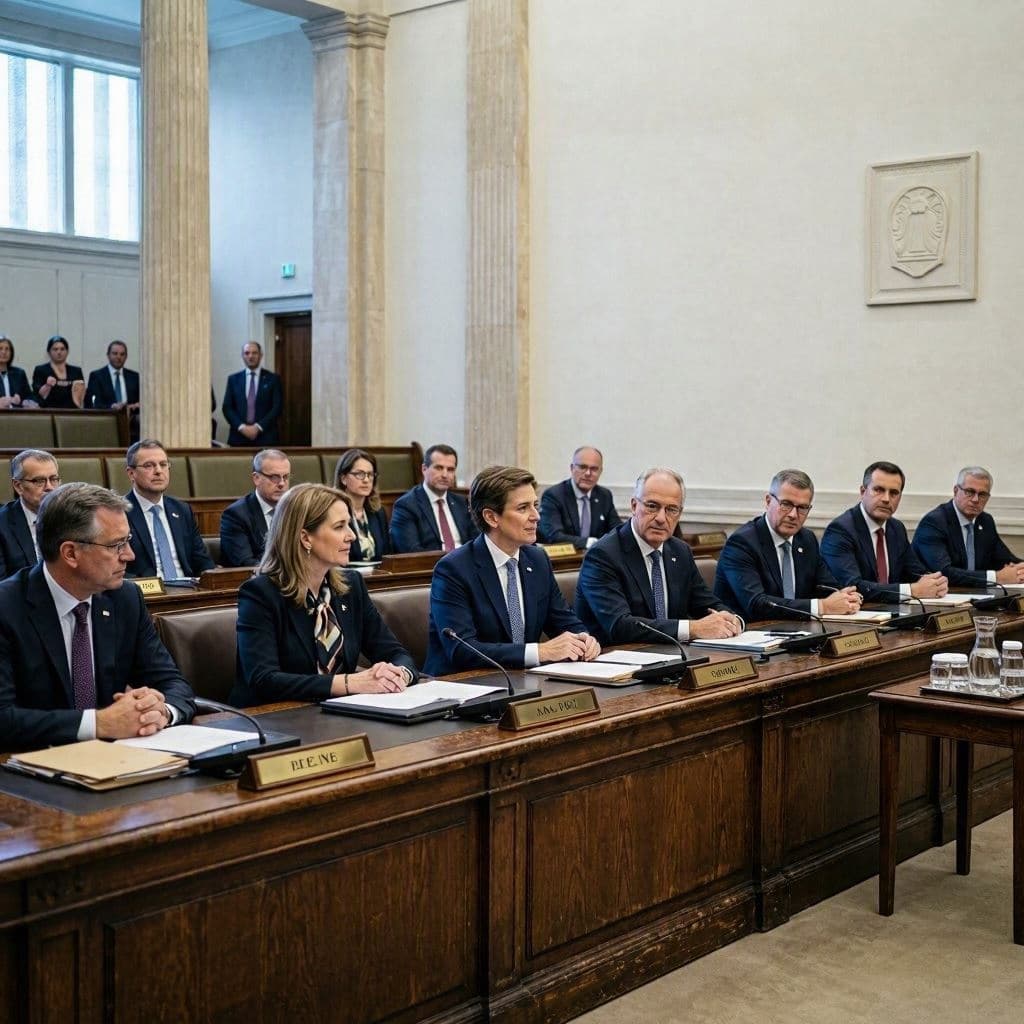
AI Image Disclaimer: Visuals associated with this article are AI-generated to illustrate the themes of political procedure and legal debate.
Sources: The New York Times AP News NPR
Published by Banx Network. This article is part of the Banx decentralized media programme, powered by the BXE token on the XRP Ledger.