
Key Highlights
- Bill and Hillary Clinton will testify before Congress regarding ties to Jeffrey Epstein.
- The inquiry aims to clarify Epstein's connections within elite circles.
- The hearings reflect ongoing public interest in Epstein's network and past associations.
The political landscape in Washington is often shaped by the rhythms of inquiry and testimony, where the past can resurface unexpectedly. Recently, Bill and Hillary Clinton have agreed to testify before the U.S. House of Representatives as part of a congressional investigation into the connections surrounding Jeffrey Epstein. This decision comes amid renewed scrutiny of Epstein's extensive network, which continues to provoke questions long after his death.
The Clintons' involvement in this inquiry is not new; their names have surfaced in various reports related to Epstein over the years, primarily through social engagements and travel references dating back decades. Both Bill and Hillary Clinton have consistently stated they were unaware of Epstein's criminal activities at the time and have denied any wrongdoing. The current House inquiry does not accuse them of any criminal conduct; rather, it seeks to map out the extent of Epstein's connections and understand how influence circulated among the elite.
Congressional investigators have framed these hearings as part of a broader effort to bring clarity to a case that has remained unresolved. Epstein's crimes, which were exposed and prosecuted only after significant delays, have left a legacy of unanswered questions—not just about individual actions, but about the systemic failures that allowed such behavior to persist. In this context, the testimony from the Clintons is less about accusations and more about documenting history, aiming to stabilize memory within the formal language of the law.
For the Clintons, this testimony represents yet another moment of public scrutiny, a familiar scenario given their long-standing presence in national politics. Bill Clinton's presidency and Hillary Clinton's extensive career in public service have been under constant examination, where past associations are frequently revisited with renewed urgency as political climates shift. Their agreement to testify indicates a willingness to address these associations once again, within a framework designed to distinguish fact from speculation.
The hearings come at a time when the Epstein case has regained attention due to newly released documents and ongoing public discourse. Each new development adds complexity rather than resolution, underscoring how some narratives resist neat conclusions. By convening these testimonies, Congress is not merely passing judgment but extending the timeline of inquiry, allowing for a deeper exploration of the issues at hand.
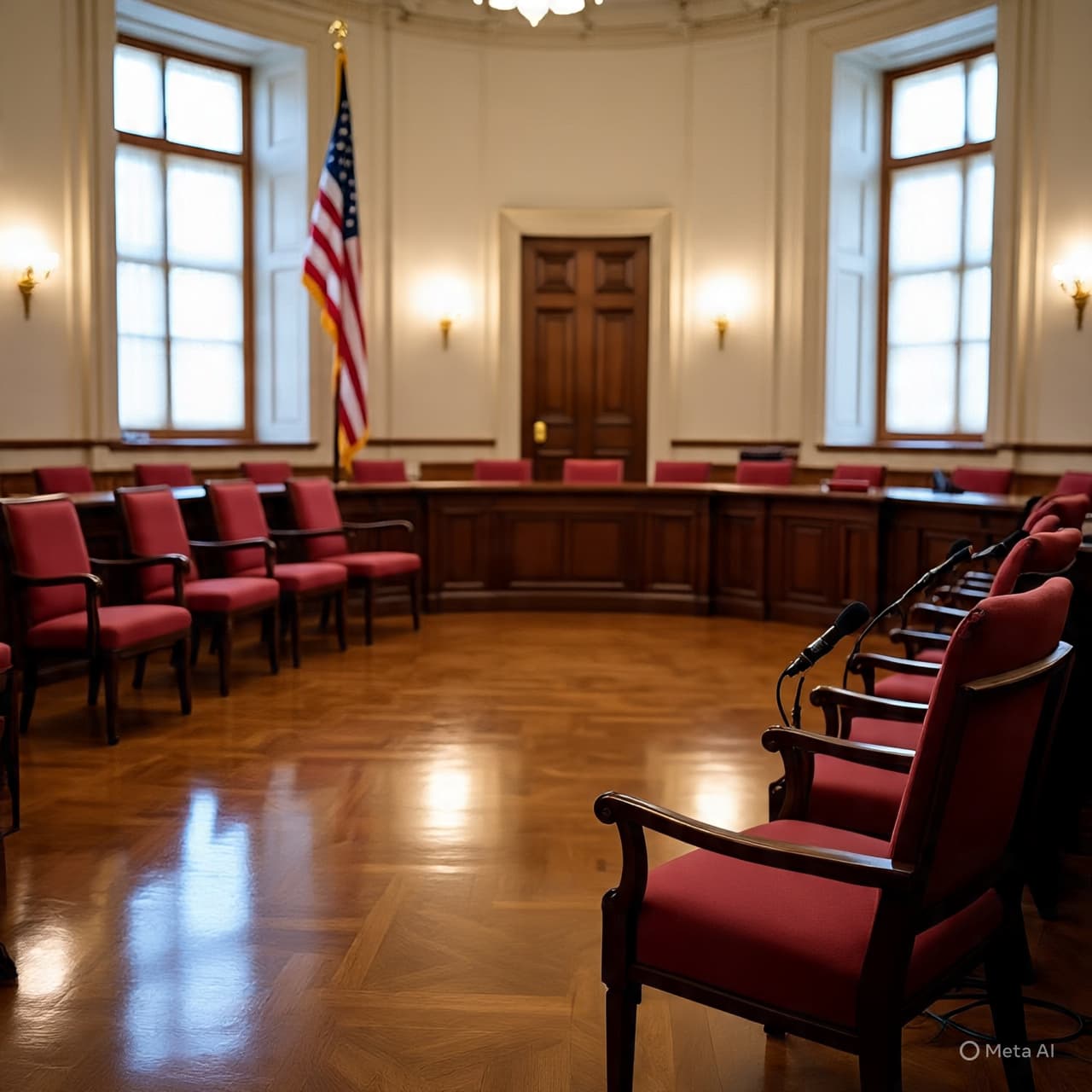
As preparations for the hearings advance, the Capitol will once again welcome witnesses and questions, a ritual of democracy that continues to unfold. What emerges from these proceedings may be incremental, characterized by clarifications rather than groundbreaking revelations. Yet in a city defined by records and memory, even small moments hold significance. They affirm that unsettled histories are not overlooked; instead, they are invited back into the conversation, encouraged to share their narratives, and meticulously documented for future reference.
Published by Banx Network. This article is part of the Banx decentralized media programme, powered by the BXE token on the XRP Ledger.



