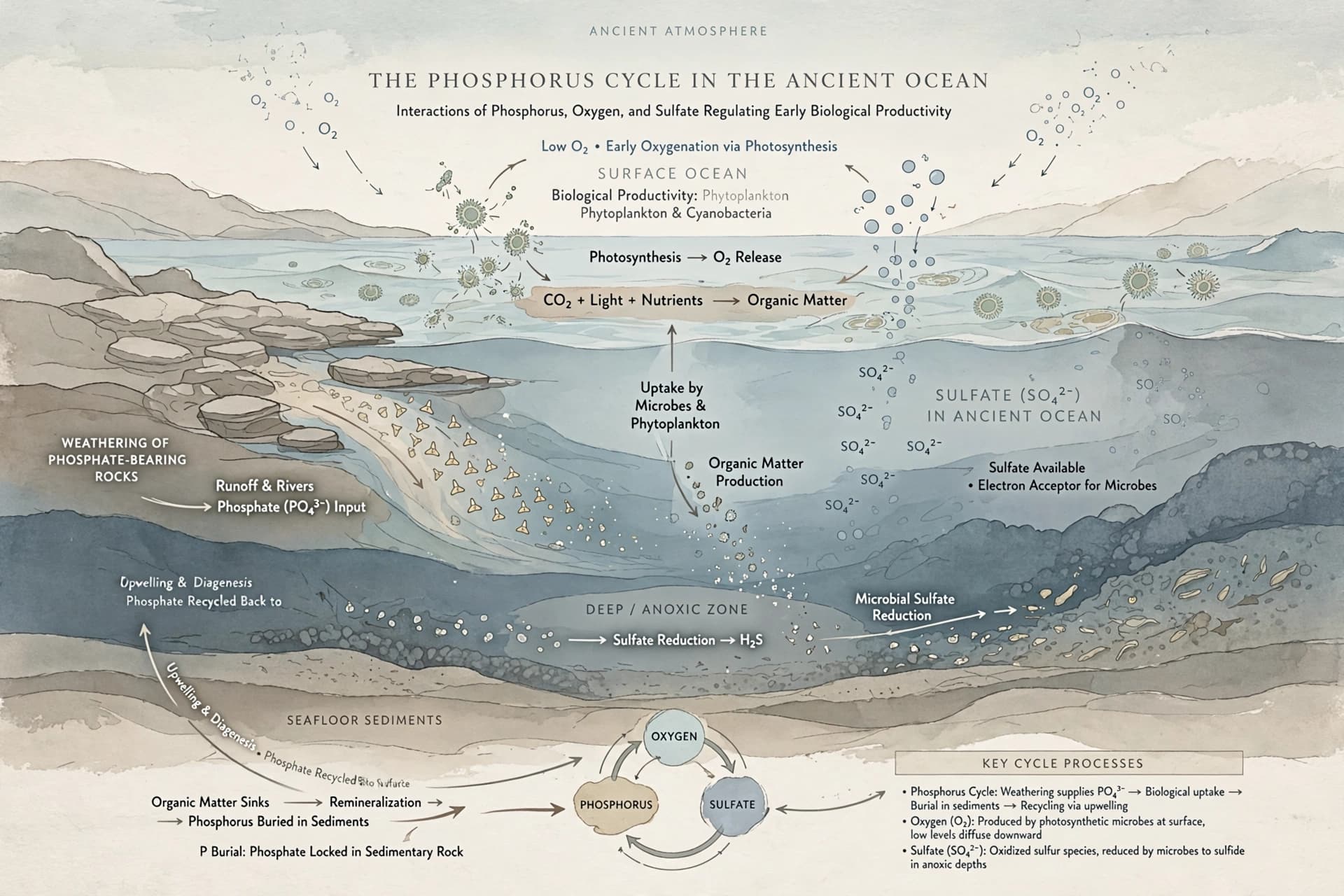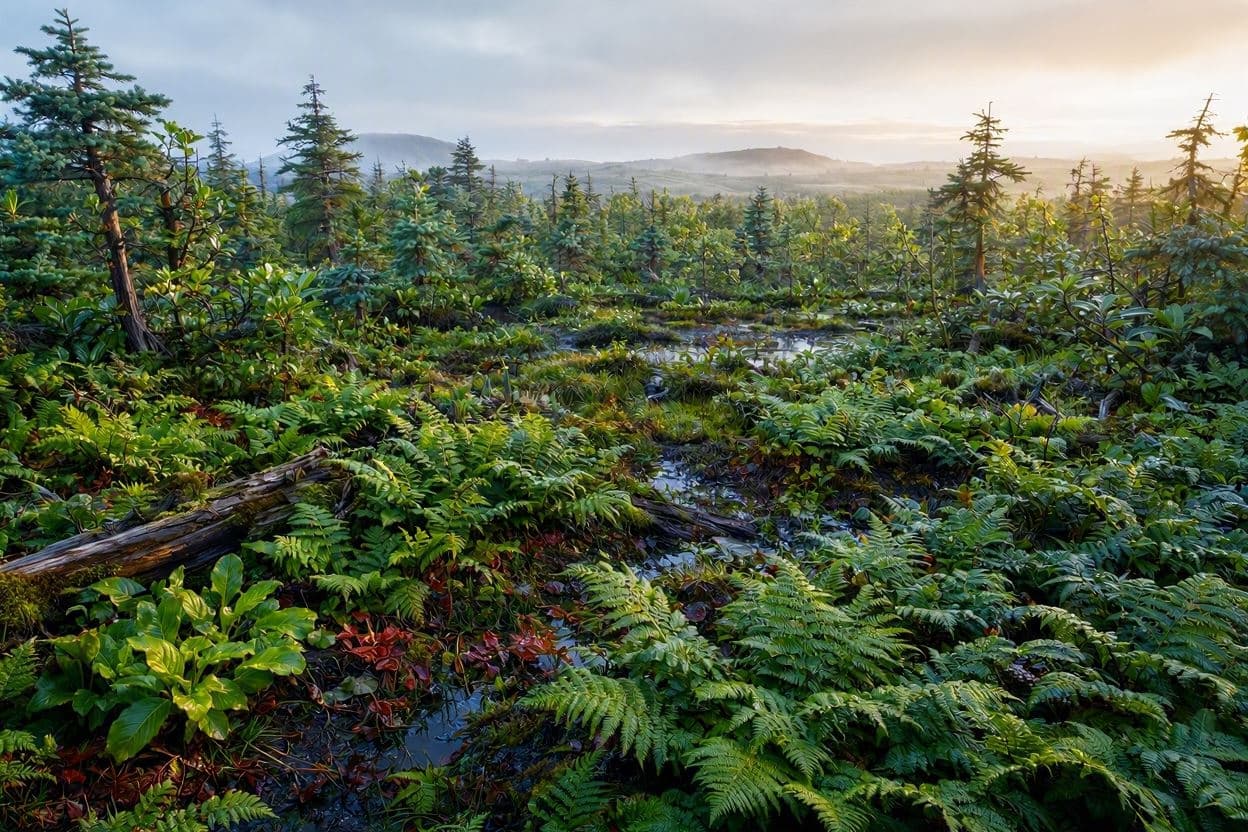
Deep beneath the frozen ground of the Arctic, preserved in layers of ancient peat, lies a record of a world vastly different from our own. Fifty-six million years ago, during the Paleocene-Eocene Thermal Maximum (PETM), the Earth experienced a rapid and intense warming event. Paleontologists have recently reconstructed the forests of that era, revealing a landscape of lush, subtropical vegetation thriving in polar regions. But this glimpse into the past carries a sobering message for the present: what happened then may be a preview of what is to come.
The PETM was triggered by a massive release of carbon into the atmosphere, likely from volcanic activity or methane hydrates. Global temperatures soared by five to eight degrees Celsius, transforming the Arctic into a swampy forest filled with dawn redwoods and bald cypresses. Animals adapted to warm climates, such as tapirs and primates, roamed near the North Pole. It was a world without ice, where the seasons were mild and the oceans were high.
By analyzing fossilized pollen, leaves, and soil samples, scientists have pieced together the structure of these ancient ecosystems. They found that the forests were highly diverse but also stressed by the rapid changes in climate. The speed of warming forced species to migrate quickly, disrupting ecological balances and leading to extinctions. The resilience of nature was tested, and while life persisted, it was fundamentally altered.
The parallel to today is striking. Human activities are currently releasing carbon at rates comparable to, or even exceeding, those of the PETM. We are witnessing similar shifts in temperature, weather patterns, and ecosystem dynamics. The reconstruction of these ancient forests serves as a natural experiment, showing us the potential consequences of unchecked warming. It is a warning written in stone and leaf.
One of the most chilling findings is the lag effect. Even after carbon emissions stabilized during the PETM, temperatures remained high for thousands of years. This suggests that the climate system has a memory, and that the effects of our actions today will linger long after we stop emitting. The inertia of the Earth’s systems means that prevention is far more effective than remediation.
For modern forests, the implications are dire. As temperatures rise, trees face increased stress from drought, pests, and fires. The biodiversity that supports these ecosystems is under threat, mirroring the disruptions seen in the Eocene. Understanding how ancient forests responded to heat can help us predict which species are most vulnerable and how to protect them. It informs conservation strategies in a changing world.
The study also highlights the importance of carbon sinks. The ancient peatlands that preserved these fossils were once vital stores of carbon. Today, protecting remaining forests and wetlands is crucial for mitigating climate change. We must learn from the past to safeguard the future, recognizing that nature’s capacity to absorb carbon is finite and fragile.
As we look at the reconstructed forests of the Arctic, we see both beauty and danger. They remind us that the Earth has been hot before, but never with humans depending on its stability. The warning is clear: we are conducting an experiment on a global scale, and the results are already coming in. It is up to us to heed the lessons of the past before the future becomes irreversible.
AI Image Disclaimer: Images accompanying this report are AI-generated artistic interpretations of prehistoric landscapes and fossil analysis, intended to visualize the scientific concepts without depicting real excavation sites.
Sources: University of Michigan, Nature Geoscience, BBC News, Scientific American
Published by Banx Network. This article is part of the Banx decentralized media programme, powered by the BXE token on the XRP Ledger.