
Key Highlights
- Iran officially rejects Pakistan's claims of mediation in regional discussions.
- Iranian officials assert their commitment to independent diplomatic channels.
- The diplomatic rift reflects broader regional tensions and concerns over influence.
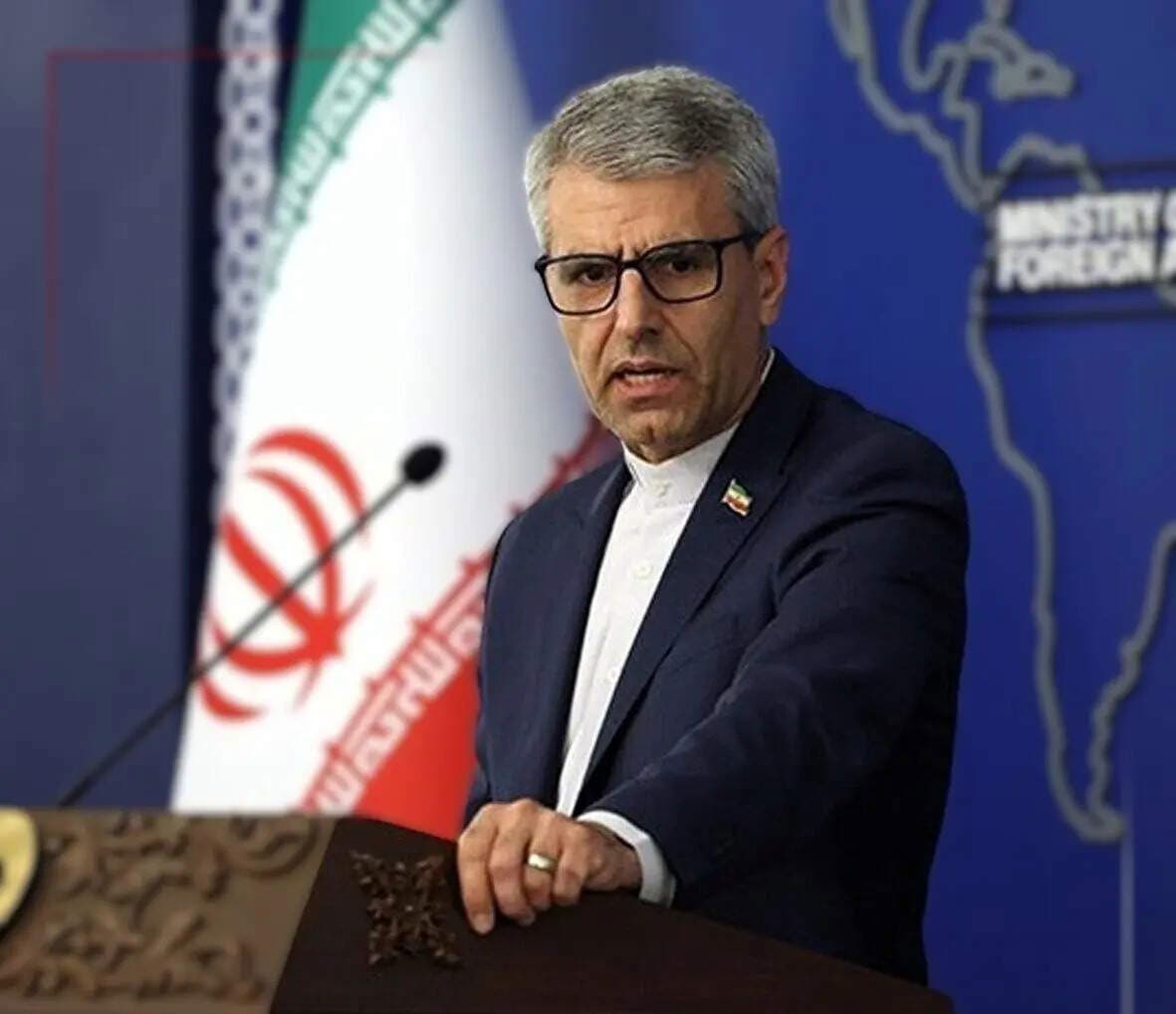
Iran has officially dismissed Pakistan's assertions of acting as a mediator in regional discussions. In a recent statement, Iranian officials emphasized that "Pakistan’s forums are their own," clarifying that Iran had no involvement in any initiatives led by Pakistan. This rejection underscores the complexities of diplomatic relations between the two nations, which have historically navigated a delicate balance of cooperation and rivalry.
The Iranian response comes amid heightened tensions in the region, where geopolitical dynamics are increasingly intricate. Iranian authorities have expressed their commitment to pursuing their own diplomatic channels and strategies without external influence or mediation, particularly from Pakistan. This stance reflects a broader trend in international relations where nations assert their sovereignty and prioritize bilateral solutions over third-party interventions.
Pakistan's claims of mediation were perceived as attempts to position itself as a facilitator in discussions critical to regional stability. However, Iranian leaders refrained from acknowledging any mediation efforts, signaling a preference for direct engagement with other nations rather than through intermediaries. This divergence in diplomatic approaches highlights the challenges both countries face in fostering collaborative efforts on pressing issues such as security, economic cooperation, and counter-terrorism initiatives.
Experts suggest that this diplomatic rift may hinder potential collaborative efforts between Iran and Pakistan, particularly in addressing shared concerns in the region. The lack of consensus on mediation roles could complicate discussions on vital topics, including trade agreements and security partnerships. As both nations navigate their complex relationship, the implications of this disagreement could extend beyond bilateral relations, affecting broader regional dynamics.
Moving forward, it may be essential for both Iran and Pakistan to engage in dialogue to address misunderstandings and lay the groundwork for constructive relations. Despite their current disagreements, fostering communication could help mitigate tensions and promote stability in a region marked by intricate alliances and rivalries. The situation calls for careful monitoring, as shifts in diplomatic posture could have significant repercussions for regional stability and cooperation.
Published by Banx Network. This article is part of the Banx decentralized media programme, powered by the BXE token on the XRP Ledger.



