
Key Highlights
- Eleven fatalities reported due to flash floods in northern Pakistan.
- Major transport routes blocked by landslides, stranding travelers.
- Emergency relief efforts underway for displaced families.
A torrential cloudburst struck the northern region of Pakistan on Saturday, unleashing violent flash floods that have claimed the lives of eleven individuals, including children. The disaster unfolded in the mountainous areas of Gilgit-Baltistan, where relentless rainfall transformed narrow valleys into raging torrents, devastating riverside communities. Eyewitness accounts describe scenes of chaos as villagers scrambled to escape the rapidly rising waters that engulfed their homes and swept away vehicles.
Local authorities, including police and civil defense volunteers, mobilized quickly to assist in rescue operations, navigating through debris-laden river channels to pull survivors from the wreckage. The provincial rescue teams confirmed the tragic toll of eleven deaths, with several victims trapped in collapsed structures. The urgency of the situation was compounded by the fact that many residents had little warning before the floods struck, leaving them vulnerable to the sudden onslaught of water and mud.
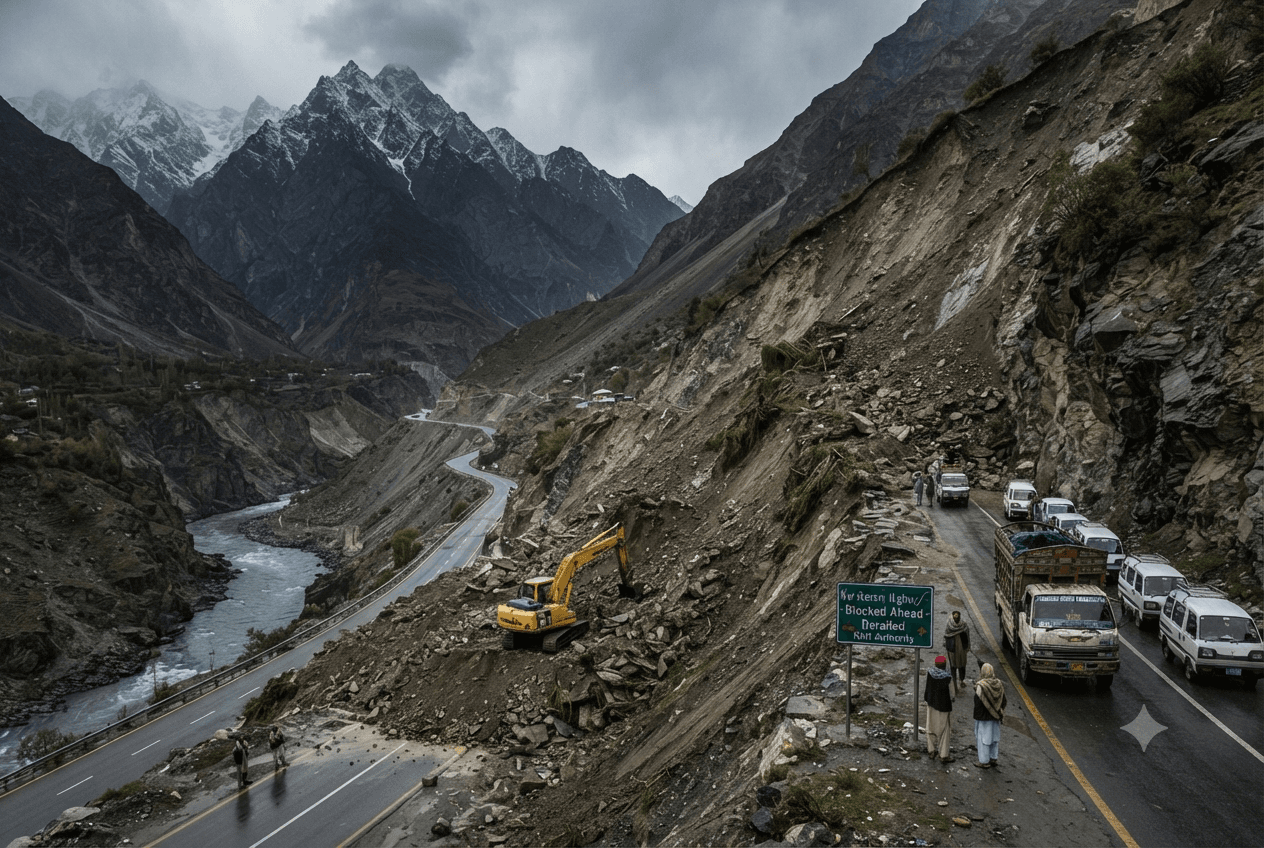
In the aftermath of the disaster, highway maintenance crews reported significant disruptions to major transport routes, particularly the Karakoram Highway, which connects northern towns to Islamabad. Landslides triggered by the heavy rains have blocked these vital arteries, leading to long queues of stranded tourists and commercial vehicles. Road clearing efforts are hampered by unstable slopes, making it difficult for crews to restore access to the affected areas.
Meteorological experts have attributed the localized cloudburst to an unusual convergence of monsoon moisture, resulting in an unprecedented amount of rainfall in just a few hours. Climate vulnerability specialists have raised alarms about the inadequacy of existing infrastructure in these mountainous regions to cope with such extreme weather events. Tariq Mahmood, a disaster management coordinator, emphasized the need for improved drainage systems, stating that current mitigation structures are failing under the pressure of these intense storms.
As the situation continues to evolve, provincial health departments have placed rural clinics on high alert to prepare for potential outbreaks of waterborne diseases among displaced populations. Relief camps have been established on higher ground, providing essential supplies such as clean drinking water, tents, and food rations to families who have lost their homes. Amidst the chaos, relatives of the missing have been searching through muddy staging areas, hoping to find loved ones who remain unaccounted for.
In a show of solidarity, local community leaders have organized prayer circles for the victims, while rescue teams have temporarily suspended night searches due to the ongoing risk of mudslides. Heavy machinery remains idle along the highways, awaiting daylight to resume efforts to clear blocked passes. The weather forecast indicates that atmospheric instability will persist in the region for the next forty-eight hours, raising concerns about further flooding and landslides.
As the community grapples with the aftermath of this disaster, the need for comprehensive disaster preparedness and response strategies has never been more critical. The events of this weekend serve as a stark reminder of the increasing frequency and intensity of climate-related disasters in vulnerable regions like northern Pakistan.
Published by Banx Network. This article is part of the Banx decentralized media programme, powered by the BXE token on the XRP Ledger.



