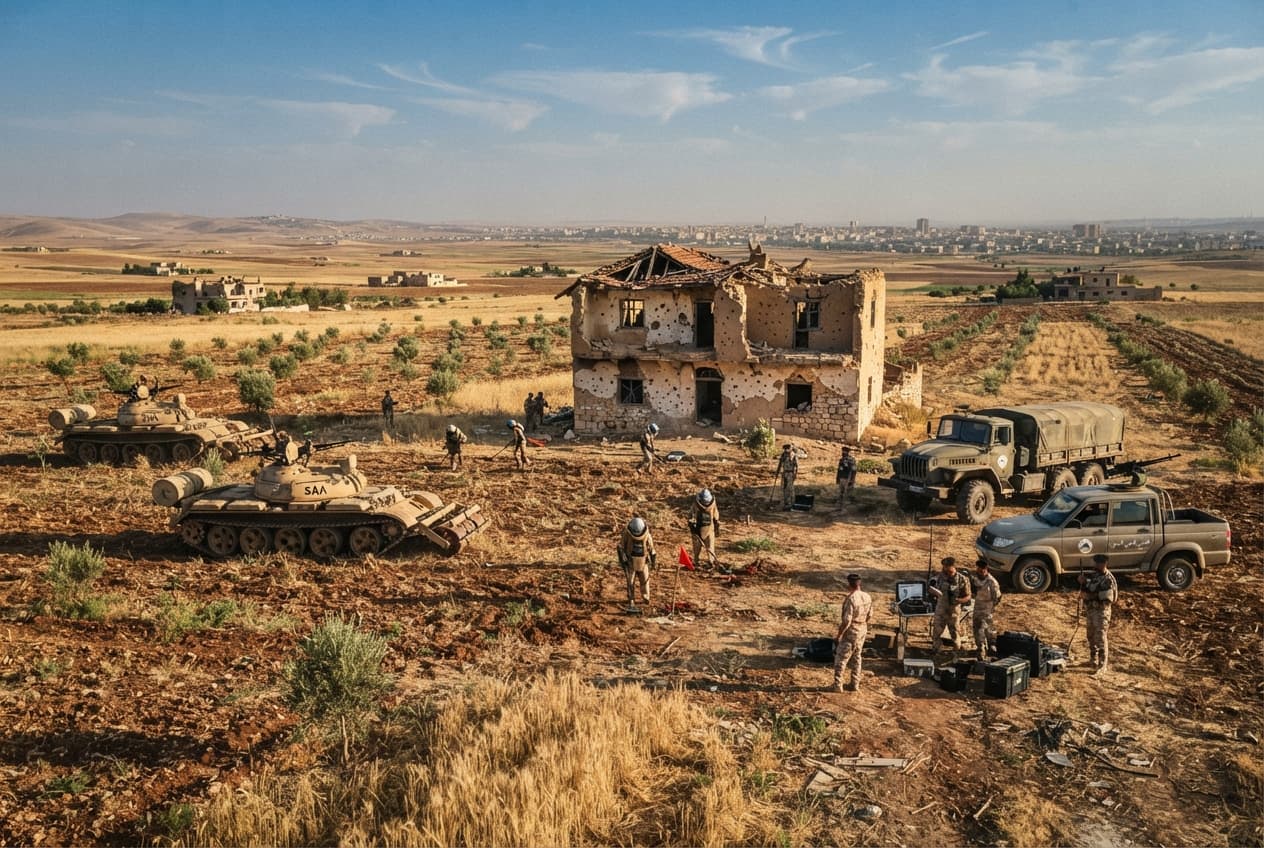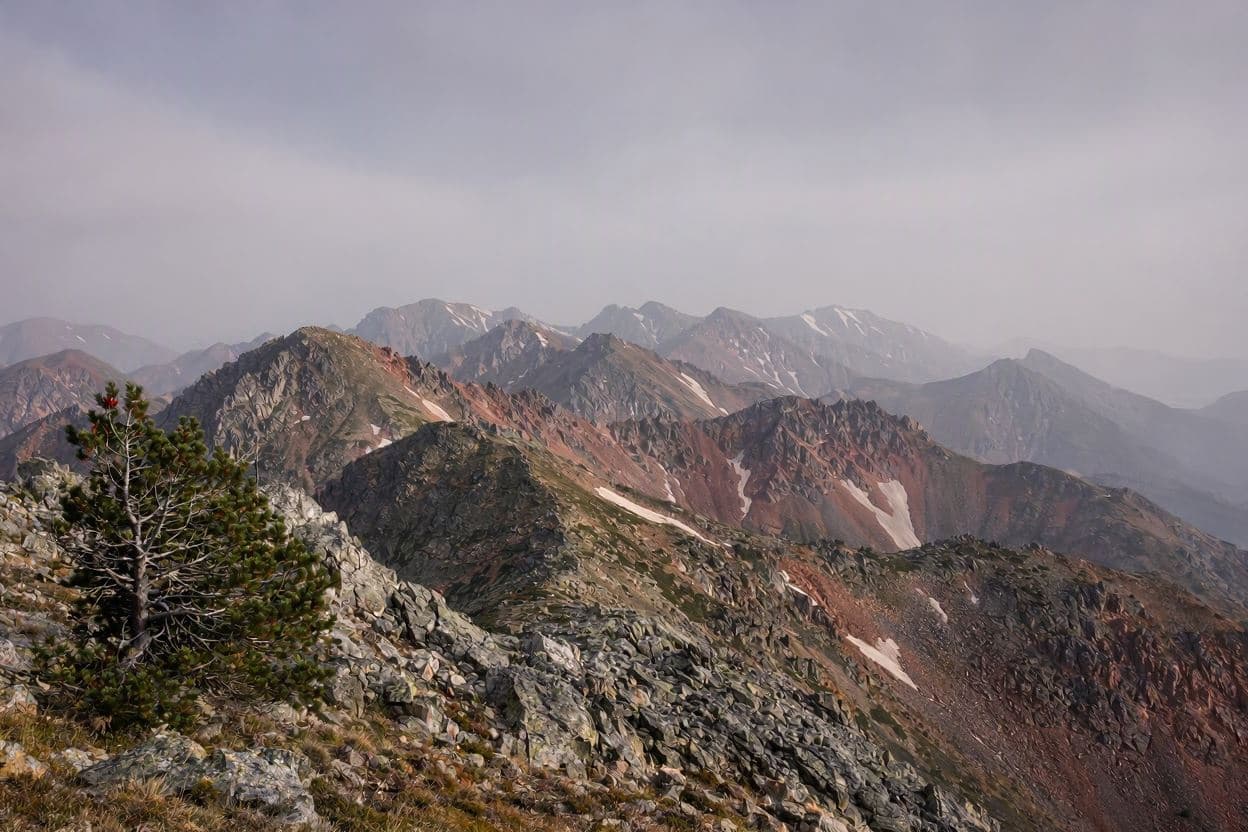
The rugged mountains that form the border between Pakistan and Afghanistan have long been a theater of complex geopolitical tensions, where sovereignty and security often collide. Recently, this volatile frontier witnessed another escalation as Pakistan conducted airstrikes inside Afghan territory, claiming to have eliminated 28 militants. However, the narrative from Kabul tells a different story, with Afghan authorities reporting the tragic deaths of three civilians. This divergence in accounts highlights the fog of war and the human cost that persists in a region striving for stability. It is a sobering reminder that behind every strategic operation lie individual lives altered by violence.
The Pakistani military stated that the operations targeted militant hideouts in the border provinces, aiming to dismantle networks that threaten national security. For Islamabad, these strikes are a defensive measure against cross-border terrorism, a persistent challenge that has plagued the region for decades. The precision of such operations is crucial, yet the chaotic nature of mountainous terrain and intelligence limitations can lead to unintended consequences. The claim of eliminating militants is framed as a necessary step toward peace, but it is met with skepticism by neighbors.
In contrast, Afghan officials have condemned the strikes, asserting that innocent lives were lost. The report of three civilian casualties, while numerically smaller than the militant count claimed by Pakistan, carries significant moral weight. Each civilian death erodes trust and fuels resentment, potentially exacerbating the very instability that the strikes aim to resolve. For the families affected, the loss is absolute, regardless of the political justification. Grief does not distinguish between intent and accident.
The international community watches these developments with concern, aware that regional stability is fragile. Diplomatic channels are likely engaged in quiet dialogue to de-escalate tensions and prevent further retaliatory cycles. The relationship between Pakistan and Afghanistan has historically been fraught with mistrust, and such incidents serve as flashpoints that can ignite broader conflicts. Cooperation on security matters remains elusive, hindered by differing priorities and historical grievances.
For the residents living near the border, life is a constant negotiation with uncertainty. Schools, markets, and homes exist in the shadow of potential conflict, where the sound of aircraft can signal danger rather than routine. The psychological toll of living in a conflict zone is profound, affecting mental health and community cohesion. Resilience is a daily practice, born out of necessity and the hope for a quieter future.
Media coverage of the event reflects the polarized narratives, with each side presenting evidence to support its claims. Independent verification is difficult in remote areas, leaving the truth obscured by propaganda and counter-propaganda. This information vacuum allows rumors to spread, further complicating efforts at reconciliation. Transparency is essential for building trust, yet it is often the first casualty in times of crisis.
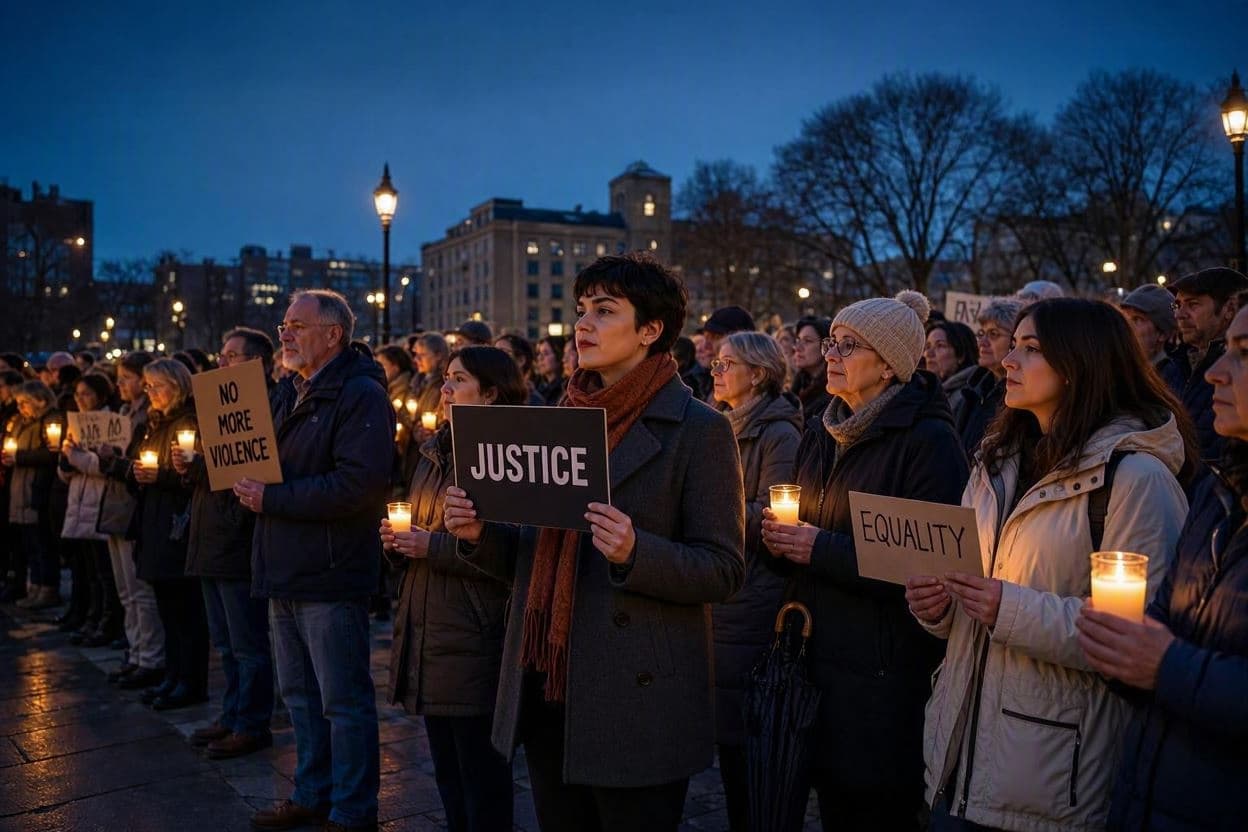
Human rights organizations have called for thorough investigations into the civilian casualties, emphasizing the need for accountability. Protecting non-combatants is a fundamental principle of international law, and violations must be addressed to maintain global standards. The call for justice is not just for the victims but for the integrity of the rules that govern warfare. Without accountability, impunity thrives.
In the end, the airstrikes in Afghanistan are a stark illustration of the challenges facing South Asia. They underscore the need for dialogue, cooperation, and a commitment to protecting human life. As the dust settles, the hope is that leaders on both sides will choose diplomacy over force. Peace is a fragile flower that requires careful tending, not the shockwaves of bombs.
AI Image Disclaimer: The visual representations included here are AI-generated illustrations designed to depict mountainous border regions and themes of conflict, not actual photographs of specific airstrike sites or casualties.
Sources: Reuters Al Jazeera The Guardian
Published by Banx Network. This article is part of the Banx decentralized media programme, powered by the BXE token on the XRP Ledger.