There are days early in a new chapter when the first pages feel tentative, like tentative strokes of a brush on fresh canvas — lightly promised, quietly waiting for the picture to emerge. As the sun sinks gently on the 50th day of Zohran Mamdani’s tenure as New York City mayor, those first cautious strokes are beginning to reveal shapes of ambition, neighbourhood focus, and unexpected turns in Queens, a borough that has long embodied both the city’s diversity and its spirited civic pulse.
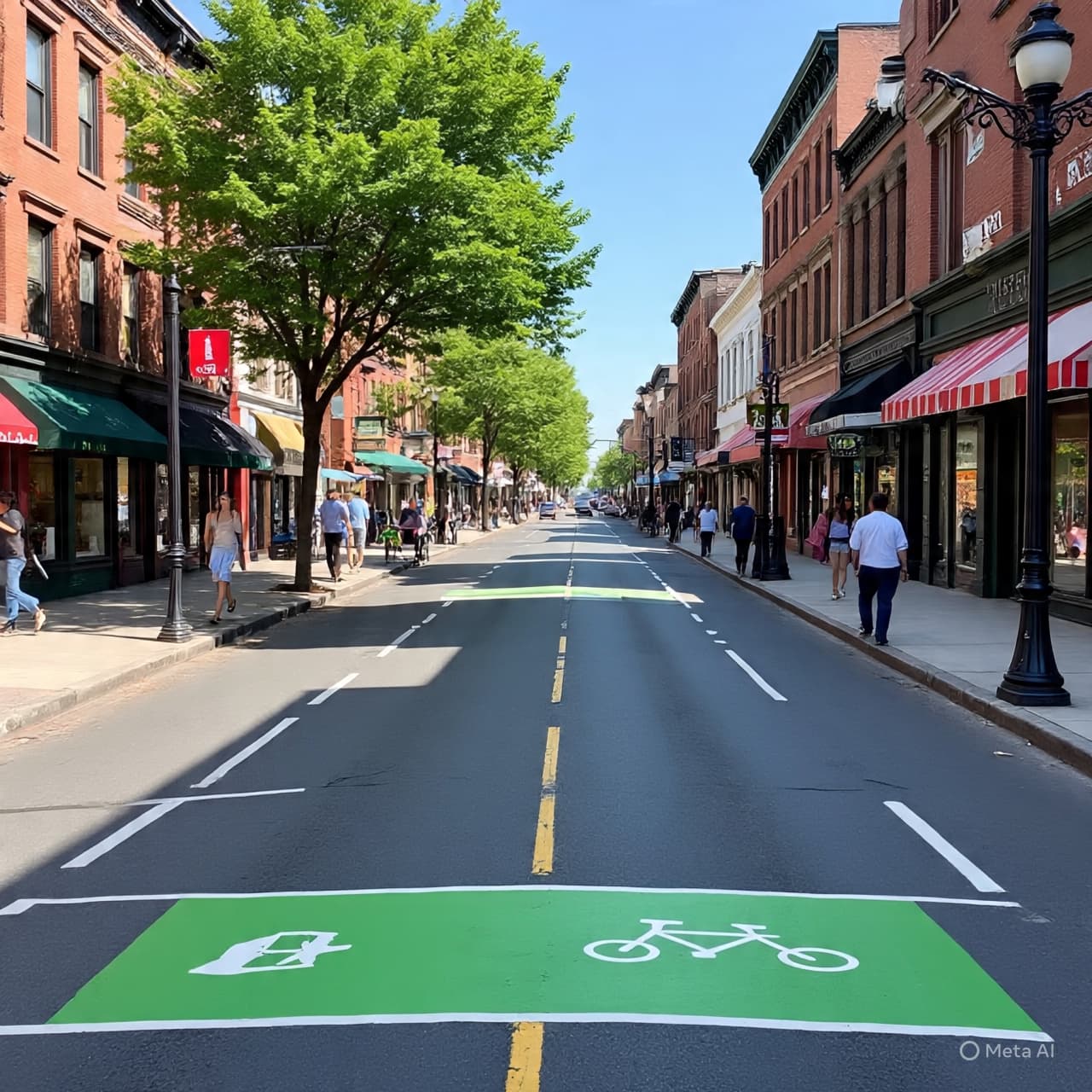
In those initial weeks, Mamdani attended to ideas that had gestated during the campaign, ushering them from concept into concrete discussion. One of the earliest actions in Queens was the restart of planning for the long-debated redesign of 31st Street in Astoria — a project that would carve out protected bike lanes, inviting cyclists and pedestrians closer into the cityscape. This humble redesign speaks to a broader theme of place and movement, an invitation to slow down and re-imagine urban life at human pace.
Other efforts touched the lives of families more directly. On the Upper East Side, the announcement of a new early childhood education center — with more than 100 seats ready by fall — underlines a quiet commitment to foundational care for working families across the city. By extending 2-K and 3-K access, City Hall acknowledges that support for early learning can ripple outward, easing pressures on parents and nurturing opportunity from the very beginning of life’s journey.
Mamdani’s approach to economic fairness has also begun to take shape. A pair of executive orders — one creating a citywide task force to address “junk fees” that burden consumers, the other pushing business compliance with fairer practices — reveals a concern that everyday costs should not silently accumulate into hardship. The task force is designed to monitor compliance and, where necessary, hold businesses accountable for fees that can feel hidden or unfair.
Yet no early term is without its unexpected notes. As broader budget realities have come into view, discussions of property tax increases — proposed as part of preliminary budgeting negotiations to close a multi-billion-dollar deficit — remind residents that governance often involves hard choices faced with fiscal realities. Those proposals have inspired dialogue among city leaders and residents alike, seeking balance between services and affordability.
In these first 50 days, progression has been measured — in planning sessions, in community feedback, and in a sense that Queens matters distinctly in a mayor’s calendar. Queens’ boulevards, its playgrounds, and its workshops have witnessed early gestures toward change and attention, from transit lanes to childhood classrooms. In reflecting on these first weeks, there is a hum of possibility — as if the borough’s busy streets themselves are whispering, reminding leaders and residents alike that governance is not only about policies but about people, places, and the promise of everyday life lived well.
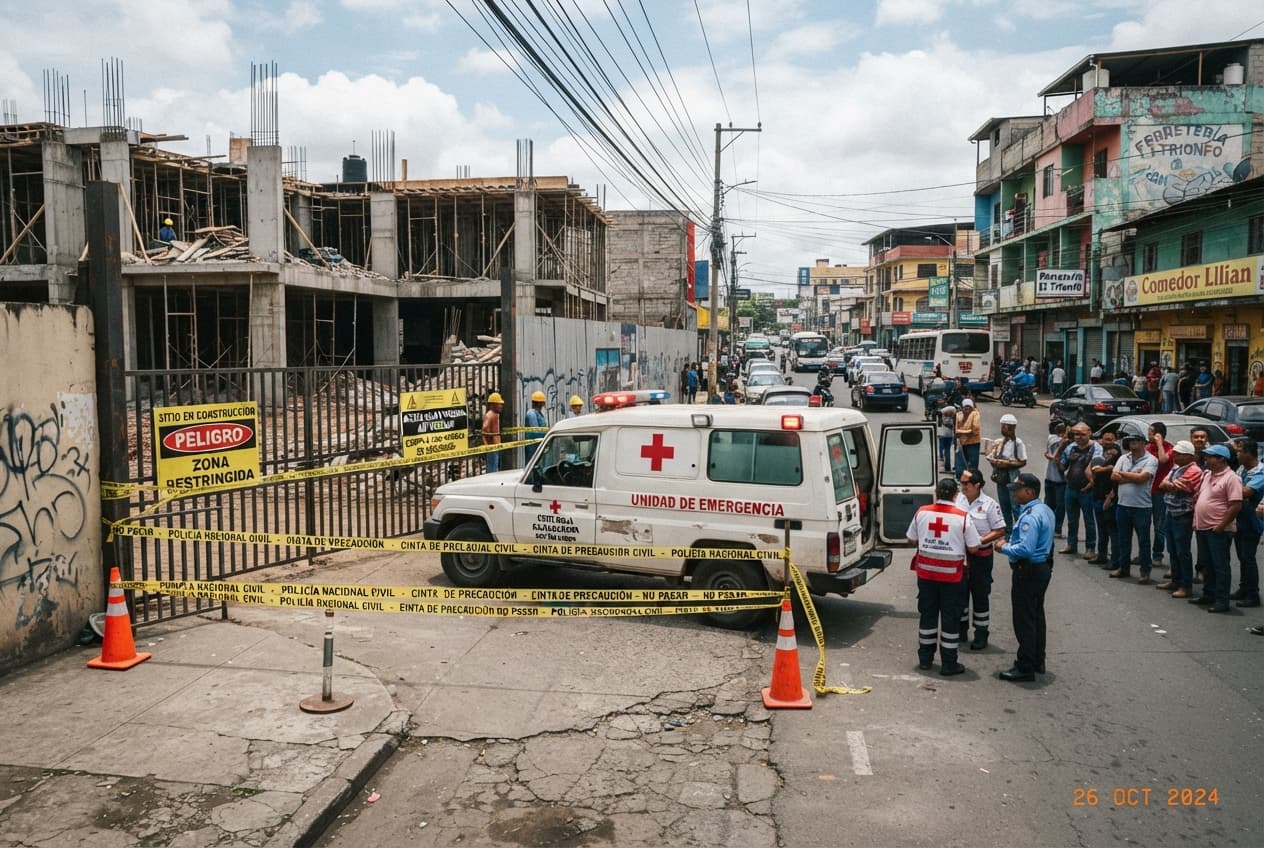
AI Image Disclaimer: Graphics are AI-generated and intended for representation, not reality.
Source Check: QNS / PoliticsNY amNewYork Associated Press (via Times Union) NYC Mayor’s Office press release amNewYork (budget reporting)
نُشر بواسطة Banx Network. هذا المقال جزء من برنامج الوسائط اللامركزية من Banx، مدعومًا برمز BXE على شبكة XRP Ledger.