Tijuana, Mexico—Hurricane Rachel slammed into the Baja California peninsula and pushed heavy tropical moisture northward into Southern California on October 10, 2026, forcing emergency evacuations and closing coastal roadways.
Wind-driven surf hammered seaside properties in Tijuana and Long Beach, shattering windows, tossing debris across low-lying coastal streets, and leaving thousands of residents without electrical power. Municipal crews scrambled to clear blocked drainage systems as torrential rainfall turned thoroughfares into fast-moving rivers.
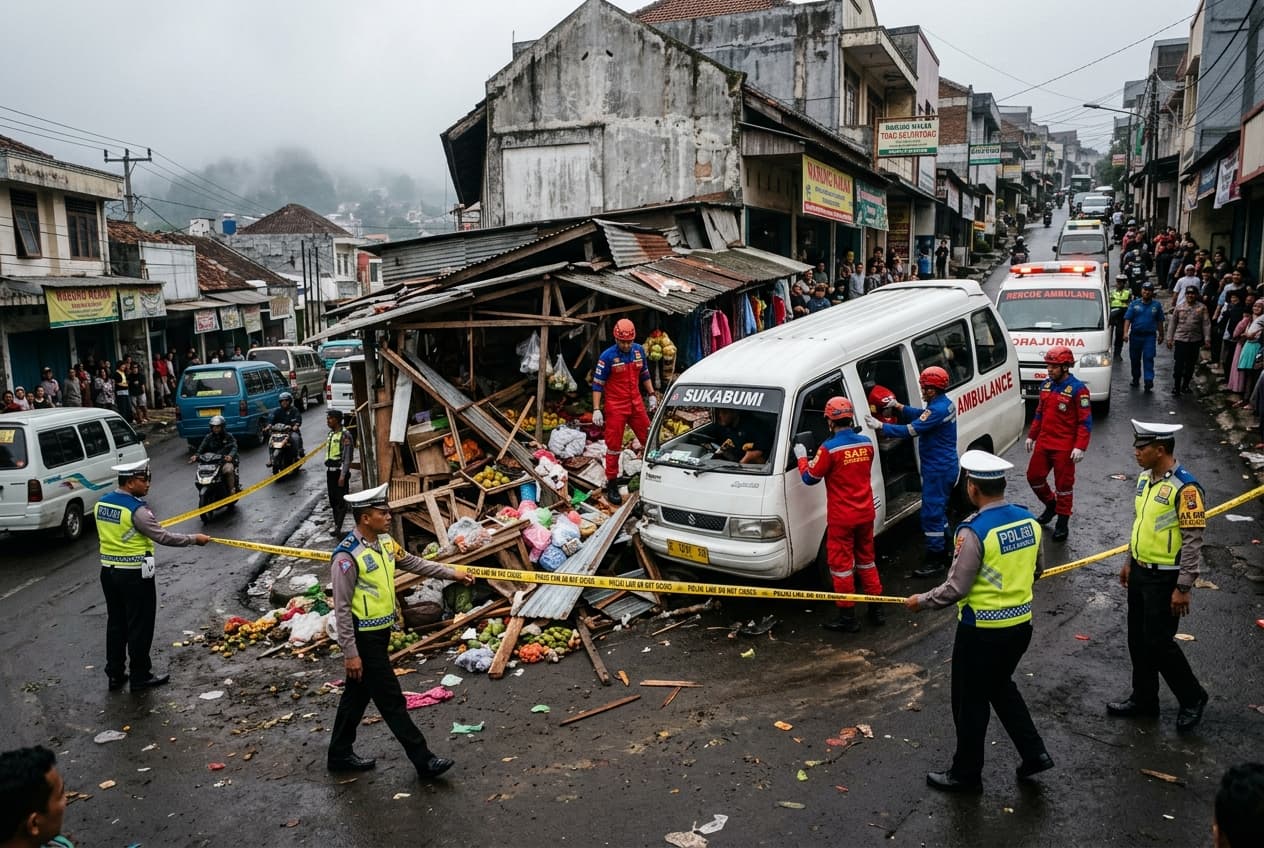
Federal disaster response teams deployed rescue boats into flooded neighborhoods where residents were trapped on rooftops. Civil protection agencies issued urgent warnings for mudslides along mountain passes as saturated hillsides began to give way under relentless precipitation.
"The water rose faster than anything we saw during previous storms, catching everyone completely off guard before dawn," said local neighborhood warden Roberto Silva while monitoring pumps near the beachfront.
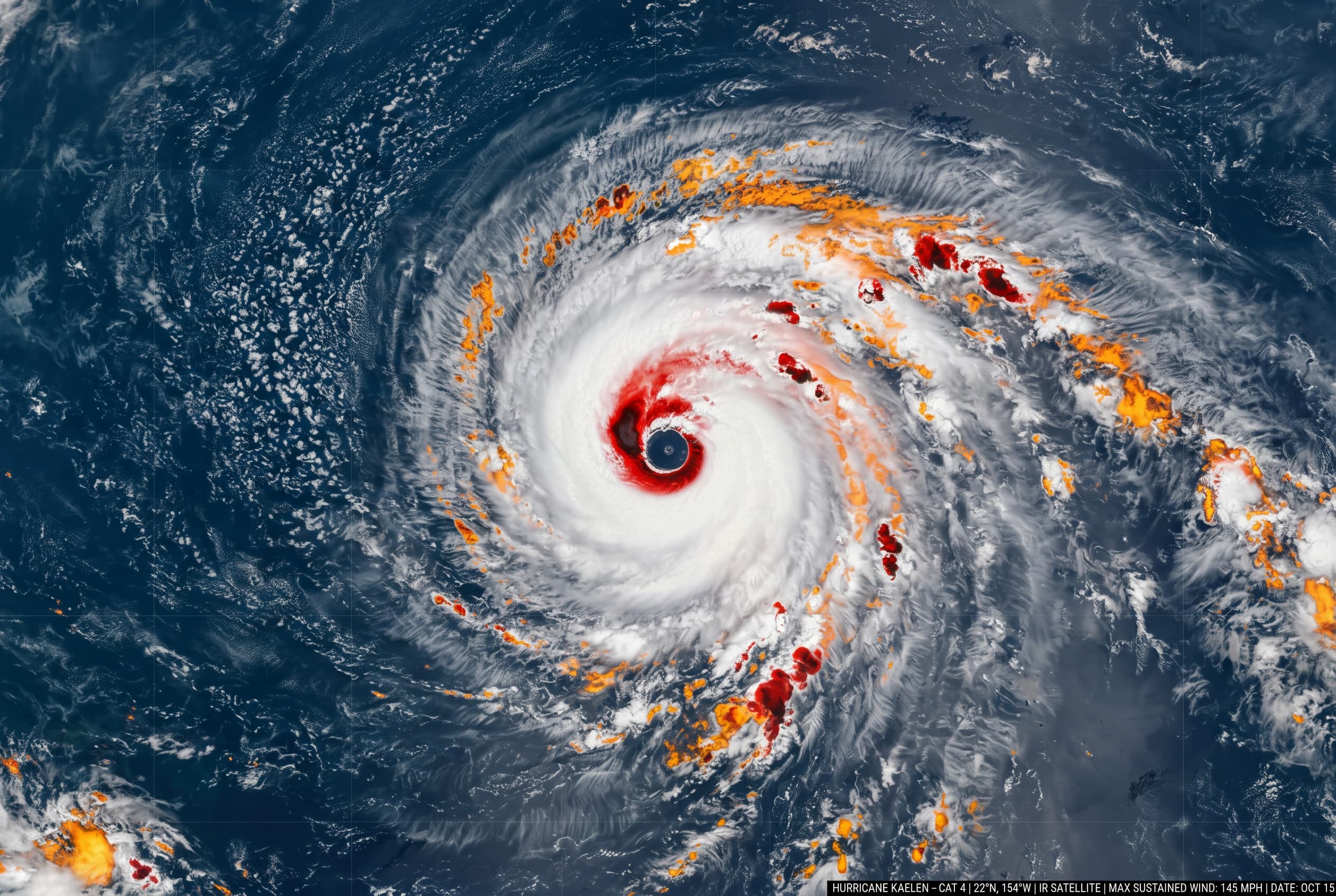
Meteorologists tracked the rapid intensification of the cyclone before it weakened into a post-tropical system while tracking toward the interior. Utility workers in multiple districts faced hazardous conditions downed lines and washed-out bridges while attempting to restore essential services to isolated rural sectors.
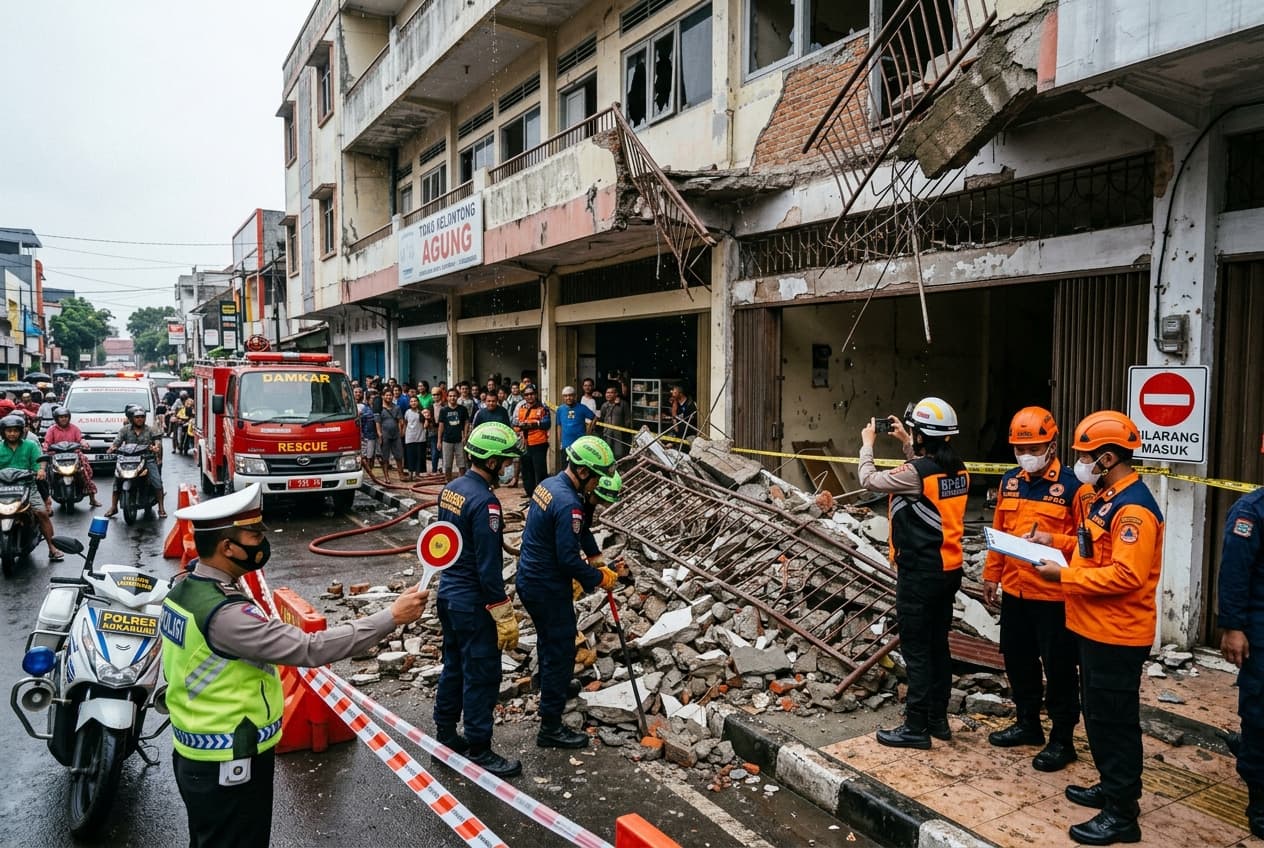
"We are dealing with structural compromises across multiple coastal addresses that cannot be safely occupied until engineering inspections are completed," noted a municipal infrastructure coordinator during a morning press briefing.
Emergency shelters filled rapidly with displaced families receiving rations and medical aid from regional relief organizations. State governors in both countries activated national guard units to assist with traffic control and security in evacuated zones.
Forecasters continued monitoring lingering moisture plumes as remnant bands drifted northeastward toward high-elevation ranges.
Road transport authorities kept highway closures in place across affected mountain corridors pending geotechnical stability clearances.
Relief operations transitioned into damage assessment phases as floodwaters slowly receded from damaged urban centers.
Published by Banx Network. This article is part of the Banx decentralized media programme, powered by the BXE token on the XRP Ledger.