
Key Highlights
- Restoration Success:A de Havilland Tiger Moth has returned to the skies after extensive restoration work.
- Historical Significance:The flight represents a connection between past and present aviation.
- Community Engagement:The event draws attention from aviation enthusiasts and the local community.
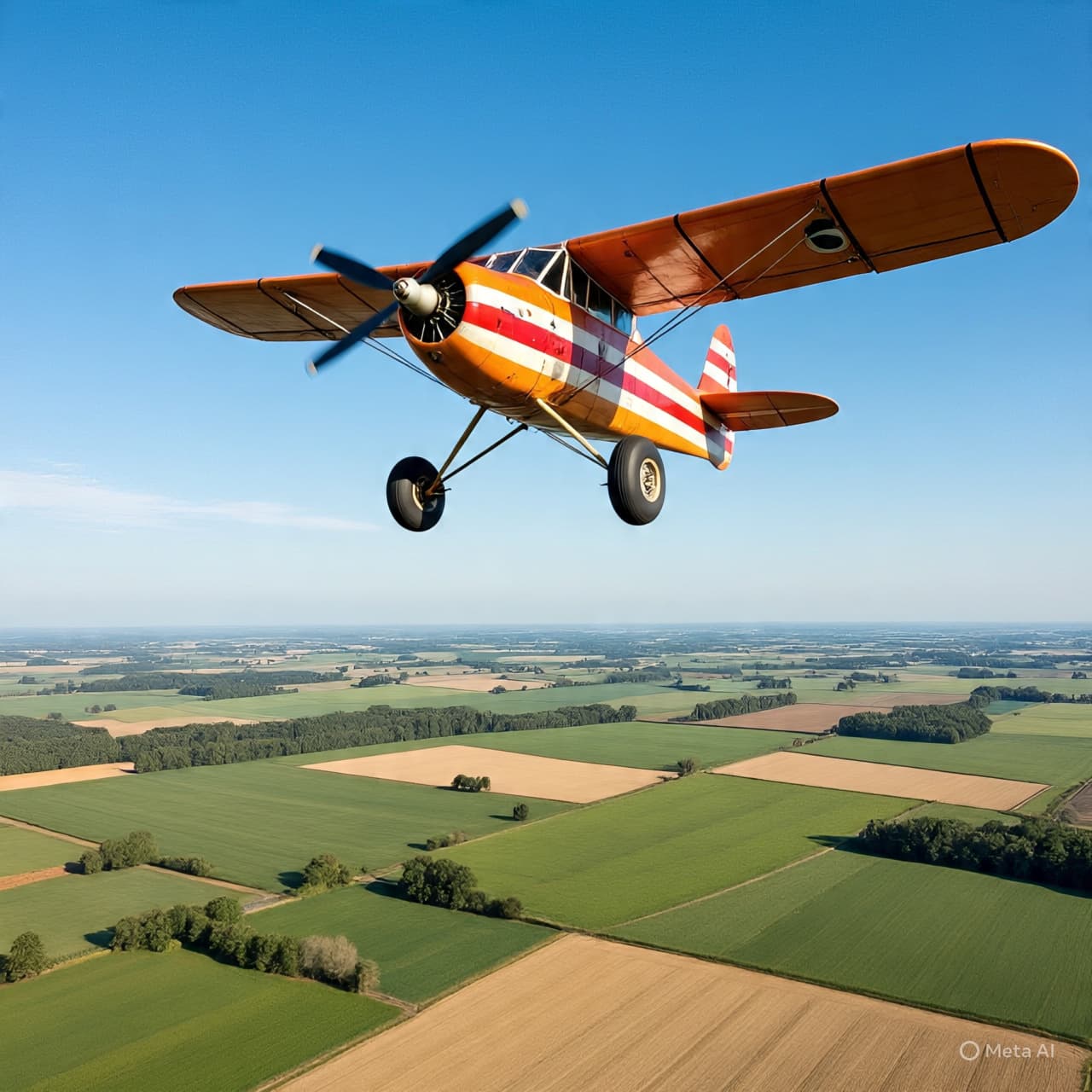
The stillness of a once-active aircraft can evoke a sense of nostalgia, as time gently envelops it, transforming its vibrant history into a quiet memory. Yet, within this stillness lies the potential for revival, a moment waiting to be seized. Recently, that moment arrived for a de Havilland Tiger Moth, a vintage biplane that has taken to the skies once more over the expansive plains of Taieri, New Zealand.
The Tiger Moth, known for its open cockpit and fabric-covered wings, embodies a unique charm that contrasts sharply with modern aircraft. Its flight is not hurried; rather, it glides gracefully through the air, reminiscent of a bygone era. Observing this aircraft in flight is not merely about witnessing movement; it is about appreciating the meticulous restoration process that has brought it back to life.
Restoration of such an aircraft is a labor of love, requiring time, precision, and a deep respect for its historical significance. Each component of the Tiger Moth was carefully evaluated, repaired, or replaced, ensuring that the aircraft not only retains its original character but is also capable of flight once again. This process is less about creating something new and more about preserving a legacy, allowing the aircraft to continue its story in the skies.
As the Tiger Moth ascended over Taieri, it symbolized a bridge between the past and the present. The familiar landscape below remained unchanged, while the aircraft danced lightly above, evoking memories of its earlier flights. For those who witnessed this event, it was more than just a technical accomplishment; it was a celebration of aviation history and the joy of flight.
The significance of this flight extends beyond the aircraft itself. It represents a commitment to preserving the experience of flight—the sounds, the movements, and the emotions that come alive only when an aircraft is airborne. These elements cannot be captured in a static display; they exist fully in the moment of flight, creating a shared experience for both the pilot and the spectators.
As the aircraft soared, it created a sense of connection among those watching. Even from a distance, the sight of the Tiger Moth in the sky stirred feelings of nostalgia and excitement, reminding everyone of the beauty of aviation. The sky is indeed where such machines belong, and witnessing their return to this realm is a poignant reminder of their purpose.
However, like all flights, this one was not meant to last indefinitely. The Tiger Moth rose, circled, and eventually returned to the ground, leaving behind an impression that would linger in the minds of those who saw it. The image of its wings against the open sky serves as a testament to the successful restoration and the enduring spirit of aviation.
In conclusion, the successful flight of the restored Tiger Moth over Taieri marks a significant milestone in the preservation of aviation history. This vintage biplane, now airworthy, has not only reclaimed its place in the sky but has also rekindled a sense of wonder and appreciation for the art of flight.
Published by Banx Network. This article is part of the Banx decentralized media programme, powered by the BXE token on the XRP Ledger.



