
Key Highlights
- Increased Military Presence:The UK has deployed more fast jets to the Middle East than in the last 15 years.
- RAF Operations:Eurofighter Typhoons are stationed in Qatar to bolster regional defense efforts.
- Political Context:Prime Minister Keir Starmer emphasizes the defensive nature of these missions.
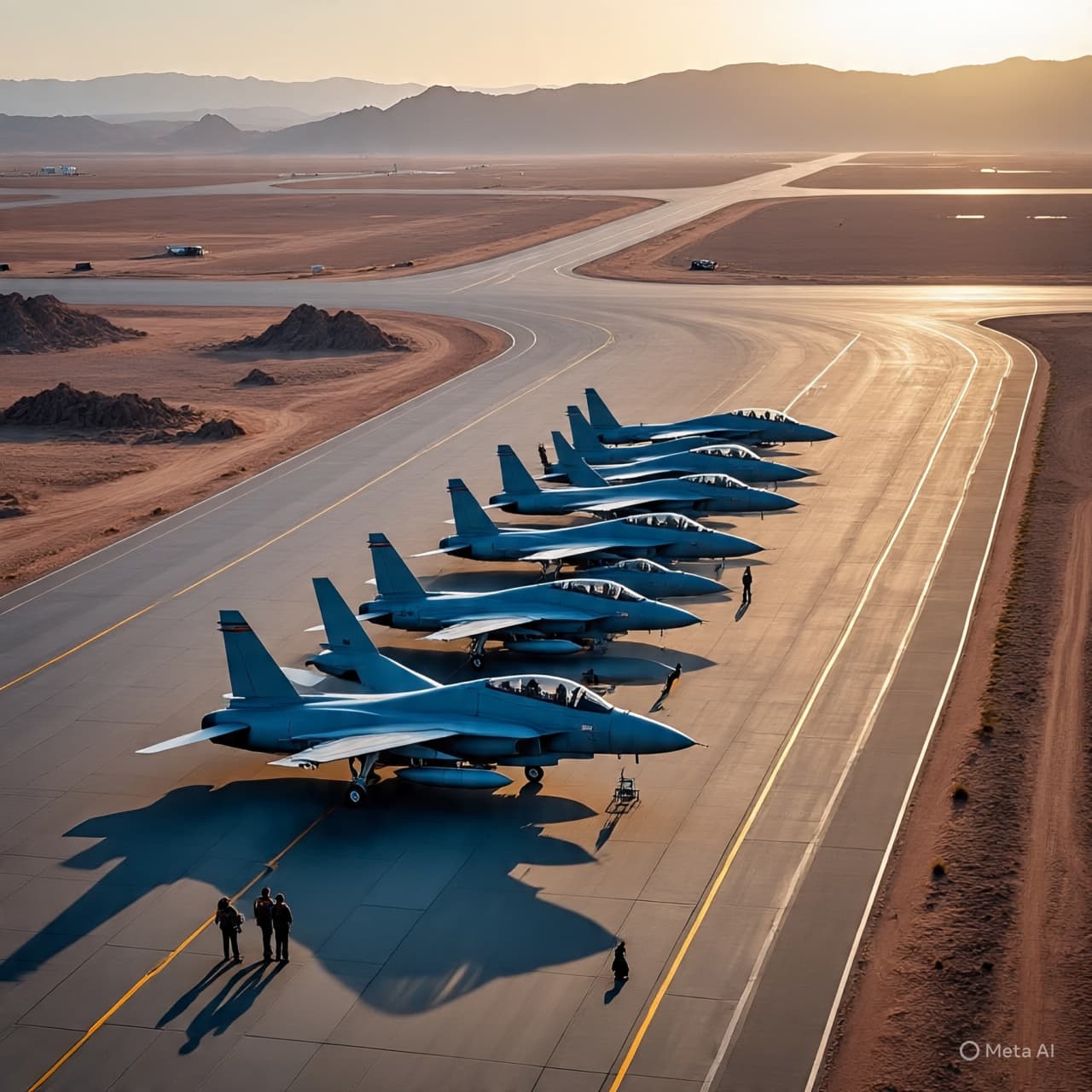
The early spring light in London often casts a serene glow over the city, but as the Thames flows quietly beneath ancient bridges, a different narrative unfolds in the skies above the Middle East. This month, the United Kingdom has ramped up its military presence in the region, sending more fast jets than at any time in the past fifteen years. The Royal Air Force's Eurofighter Typhoons are now stationed in Qatar, a strategic move that underscores the UK's commitment to regional security amid rising tensions.
The deployment of these jets, alongside additional helicopter units, marks a significant shift in the UK's military posture. Once a steady presence, the RAF's operations now carry a sense of urgency and purpose. The Typhoons, with their sleek designs, are not just symbols of air power; they represent the UK's resolve to support its allies and protect civilian lives in a volatile region. This renewed focus on the Middle East reflects a broader strategy to enhance collective security and deter potential threats.
In Westminster, officials are navigating the delicate balance between assertiveness and caution. Prime Minister Keir Starmer has articulated the rationale behind these deployments, framing them as defensive air missions aimed at safeguarding allies. The British aircraft are working alongside coalition partners, patrolling the skies and intercepting threats, a testament to the UK's commitment to international cooperation in the face of escalating regional conflicts.
The historical context of the RAF's presence in the Gulf cannot be overlooked. This engagement is not merely a remnant of colonial ambitions but a modern commitment to collective security. From reinforced bases in Cyprus to the skies above Qatar, British pilots and technicians are part of a larger tapestry of international collaboration. Their missions are not just about deterrence; they are about fostering stability in a region marked by uncertainty.
As the sun sets over London, the contrast between the calm streets and the active skies of the Middle East becomes stark. The jets that soar through the air are not just machines; they embody the complexities of modern warfare and the responsibilities that come with military engagement. Each flight carries with it the weight of strategic decisions, the hopes of those who watch from afar, and the realities of a world where alliances are constantly shifting.
In the quiet moments of reflection, as the day transitions into night, the interplay of distance and connection becomes evident. The deployment of jets is measured not just in numbers but in the stories of care, caution, and empathy that underpin military actions. The hope is that these efforts in distant skies will contribute to a steadier horizon for both those who serve and those who await their return.
Published by Banx Network. This article is part of the Banx decentralized media programme, powered by the BXE token on the XRP Ledger.



