
Key Highlights
- Protest Size:Hundreds gathered in South Dublin to oppose deportation.
- Community Impact:The family is well-integrated, with children in local schools.
- Immigration Debate:The event sparked discussions on immigration policy and humanity.
Hundreds of people gathered in south Dublin on Saturday to protest the deportation of a South African family, transforming a residential street into a focal point of debate over immigration policy, compassion, and belonging. The demonstration drew attention not only to the specific case at hand but also to broader issues surrounding Ireland's immigration system.
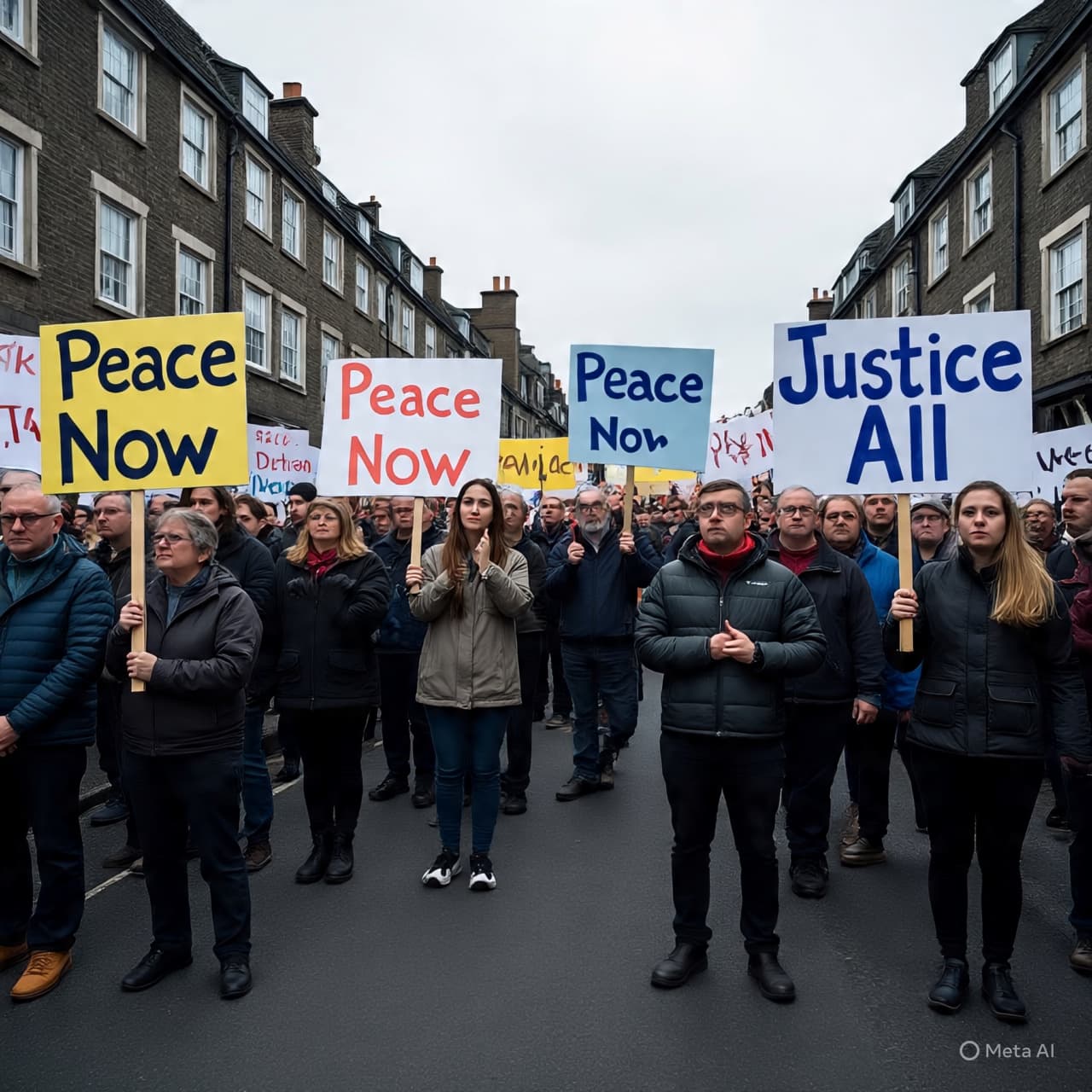
Demonstrators assembled with placards and chants, calling on authorities to halt the family’s removal and to review the circumstances surrounding the decision. Many described the family as well-integrated members of the community, with children enrolled in local schools and ties that extended beyond paperwork into everyday neighborhood life. Supporters emphasized the importance of recognizing the human stories behind immigration cases, arguing that deportation, particularly where children are involved, carries consequences that reach far beyond administrative procedure.
Organizers of the protest expressed a belief that immigration systems must balance enforcement with humanity. Teachers, neighbors, and local representatives were among those voicing concern, stating that the family’s removal would leave an emotional void in classrooms and community groups. The emotional stakes were high, as many attendees shared personal anecdotes about their interactions with the family, illustrating the deep connections formed within the community.
Irish immigration authorities, however, maintain that deportation orders are issued following established legal processes. Such decisions typically come after asylum applications and appeals have been exhausted. Officials have reiterated that enforcement actions are carried out in accordance with national and EU law, though individual case details are often constrained by privacy regulations. This has led to frustration among supporters who feel that the system lacks transparency and compassion.
The demonstration remained largely peaceful, with a visible police presence monitoring the crowd. Protesters called for transparency and reform, urging policymakers to re-examine how long-term residency, school attendance, and community contribution factor into deportation decisions. Many attendees expressed hope that their collective voice could influence the outcome of the family's situation and lead to a more humane approach to immigration.
The case has reignited a broader national discussion about Ireland’s immigration system at a time when housing pressures and asylum accommodation challenges are also shaping public discourse. While some argue that clear and consistent enforcement is necessary to maintain the integrity of the system, others contend that rigid application of rules can overlook deeply human realities. This tension reflects a growing divide in public opinion on how best to handle immigration issues in a rapidly changing society.
For those gathered in south Dublin, the issue felt less abstract. It was about neighbors, classmates, and the meaning of home. As the protest dispersed, many pledged to continue advocating on the family’s behalf, hoping public attention might yet influence the outcome. The episode underscores the tension at the heart of modern migration debates: how nations enforce borders while recognizing the human stories behind each case.
Published by Banx Network. This article is part of the Banx decentralized media programme, powered by the BXE token on the XRP Ledger.



