
Key Highlights
- Date of Strikes:U.S. and Israeli military operations began on February 28.
- Impact on Travel:Flights in and out of Dubai have been delayed or rerouted.
- Casualties Reported:Significant military engagement has resulted in casualties and infrastructure damage.
In the heart of Dubai, as evening descends, the city’s iconic skyline glimmers under the fading sun. Travelers, typically immersed in the excitement of their journeys, now find themselves navigating an atmosphere thick with uncertainty. Recent military actions have shifted the landscape of travel, with the Persian Gulf becoming a focal point of geopolitical tension.
On February 28, a coordinated military operation by the United States and Israel targeted Iranian military and nuclear facilities, leading to widespread explosions in cities like Tehran and Isfahan. Reports from Iranian state media confirmed the death of Supreme Leader Ayatollah Ali Khamenei, marking a significant escalation in hostilities. Western officials have acknowledged the operation's extensive damage to Iran's strategic infrastructure, raising concerns about the potential for further conflict.
The repercussions of these strikes have reverberated beyond Iran’s borders. In response, Iranian forces launched missiles and drones at U.S. and allied installations across the Gulf, including in the United Arab Emirates, Bahrain, Kuwait, and Qatar. Casualties have been reported, and U.S. officials have characterized the situation as a major military engagement, with the duration and consequences still unfolding.
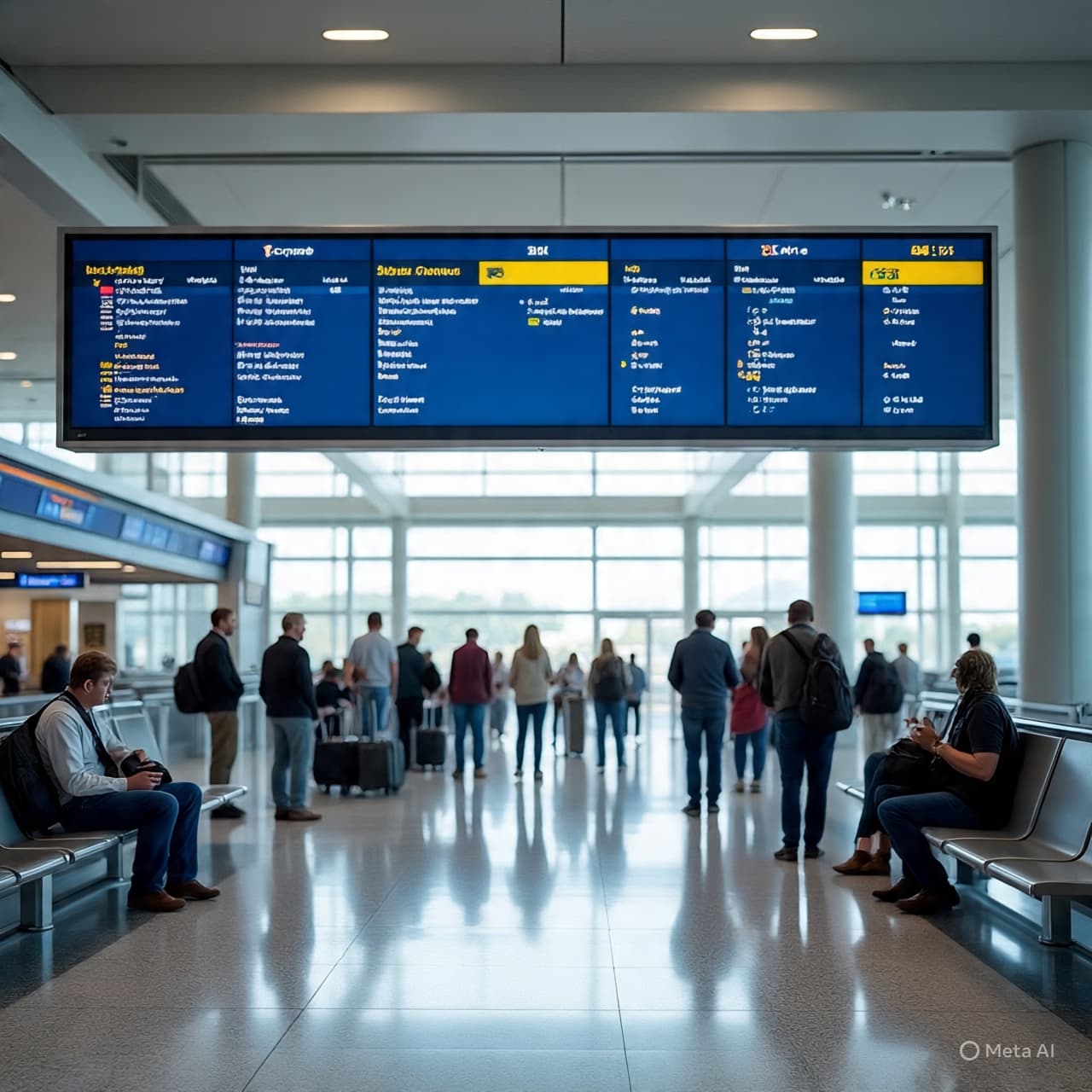
For travelers arriving in Dubai, the atmosphere has shifted dramatically. What was once a destination for celebration—marked by birthdays and vacations—has turned into a landscape of altered travel plans. Airlines have begun to delay or reroute flights as airspace assessments evolve in response to the ongoing military actions. Consular advisories have been issued, urging travelers to remain vigilant and flexible as departure boards flicker with changing schedules.
In the lounges of Dubai International Airport, the usual hum of excitement has been replaced by hushed conversations about safety and home. The distance of eight thousand miles suddenly feels precarious, as travelers grapple with the reality that their return may not be as straightforward as anticipated. The ordinary rituals of travel—security checks, boarding calls, and duty-free shopping—now carry an undercurrent of anxiety, as the skies above are perceived as contested territory.
Despite the turmoil, life in Dubai continues. Hotels remain operational, taxis traverse the city, and the skyline stands resilient against the backdrop of uncertainty. However, the awareness of potential danger looms large, as travelers monitor news updates and official advisories. Local authorities have not issued evacuation orders, but they recommend staying informed and maintaining contact with embassies for guidance.
As the situation evolves, diplomatic efforts are underway. International leaders are calling for restraint and de-escalation, while airlines reassess their risk management strategies. The ongoing U.S.-Israeli strikes on Iran have not only altered the geopolitical landscape but have also disrupted the lives of countless travelers, highlighting the fragile nature of safety in an increasingly volatile region.
The situation remains fluid, with governments actively evaluating security conditions and potential diplomatic solutions. As travelers navigate this new reality, the impact of these military actions will likely resonate far beyond the immediate conflict, shaping perceptions and experiences in the Gulf region for the foreseeable future.
Published by Banx Network. This article is part of the Banx decentralized media programme, powered by the BXE token on the XRP Ledger.



