In the crushing darkness of the deep ocean, where sunlight never penetrates, life persists in ways that challenge our terrestrial assumptions. Recent discoveries reveal that a surprising food source—marine snow, composed of organic debris sinking from above—is sustaining a vibrant ecosystem miles below the surface. This finding invites reflection on the interconnectedness of marine layers and the resilience of life in extreme environments. It is a reminder that even in the abyss, nothing is wasted, and everything is connected.
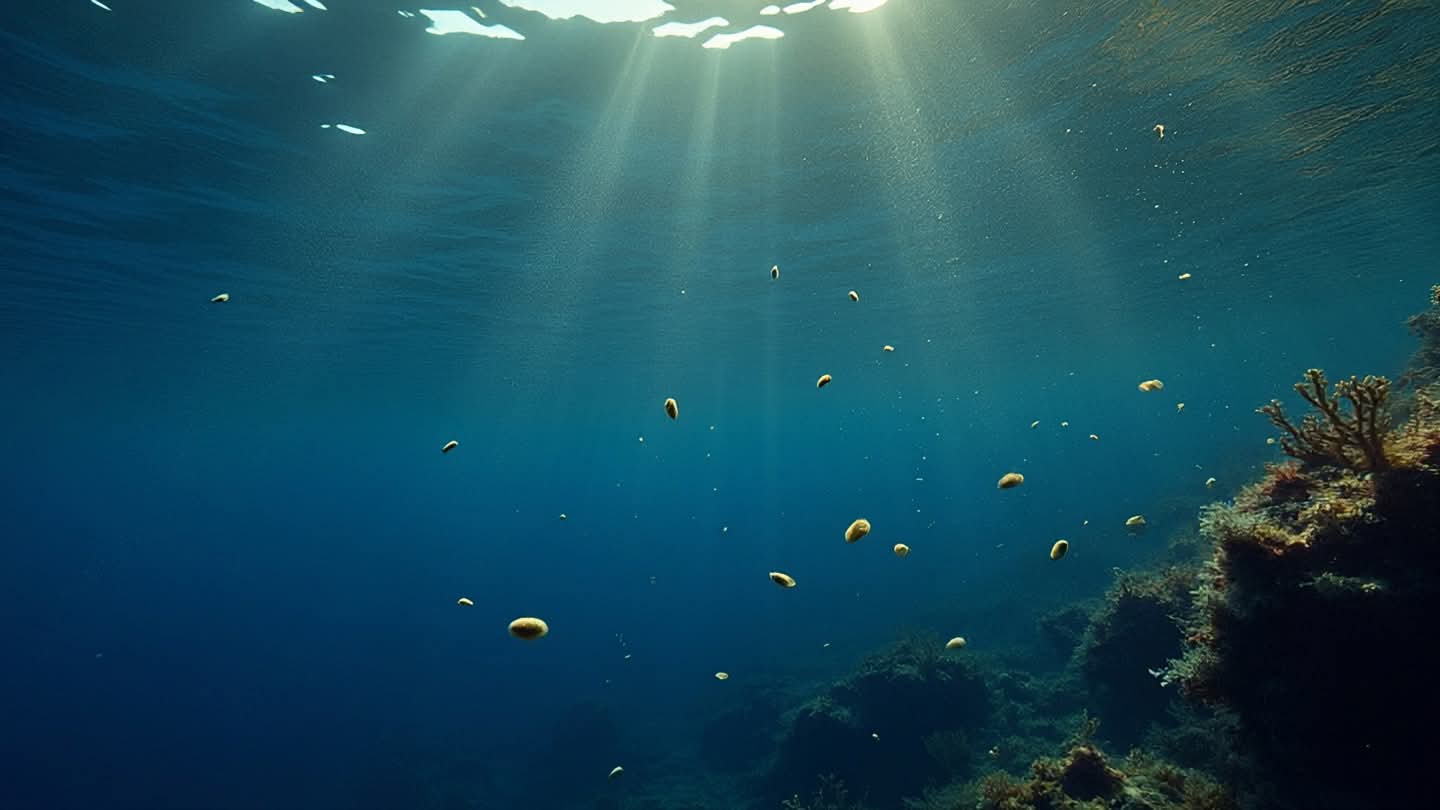
Marine snow consists of dead plankton, fecal matter, and other organic particles that drift downward from the sunlit surface waters. For decades, scientists believed this material was largely consumed before reaching the deepest trenches. However, new surveys show that significant amounts reach the seafloor, supporting diverse communities of scavengers and filter feeders. Waste becomes wealth. Depth does not mean emptiness.
The organisms thriving in this zone include specialized sea cucumbers, brittle stars, and microscopic bacteria that break down the organic matter. Their ability to survive on such sparse resources highlights the efficiency of deep-sea ecosystems. Adaptation ensures survival. Efficiency defines nature.
This discovery has implications for our understanding of the carbon cycle. By sequestering carbon in the deep ocean, these processes play a role in regulating Earth’s climate. The ocean is a silent partner in global balance. Biology influences chemistry.
Climate change and deep-sea mining pose threats to these fragile habitats. Disturbing the sediment could disrupt the delicate flow of nutrients and harm species that have evolved over millennia. Protection is necessary. Fragility requires care.
As exploration technology improves, we continue to uncover the secrets of the deep. Each expedition adds to our appreciation of the ocean’s complexity and its vital role in planetary health. Wonder grows with knowledge. Mystery invites respect.
Research shows that marine snow, organic debris from surface waters, sustains diverse life forms in the deep ocean, challenging previous assumptions about food availability in the abyss. The finding highlights the importance of deep-sea ecosystems in the global carbon cycle. The hope is for continued protection of these hidden habitats.
AI Image Disclaimer: Visuals associated with this article are AI-generated to illustrate the themes of deep-sea biology and marine ecology.
Sources: Nature Communications NOAA BBC News
Published by Banx Network. This article is part of the Banx decentralized media programme, powered by the BXE token on the XRP Ledger.