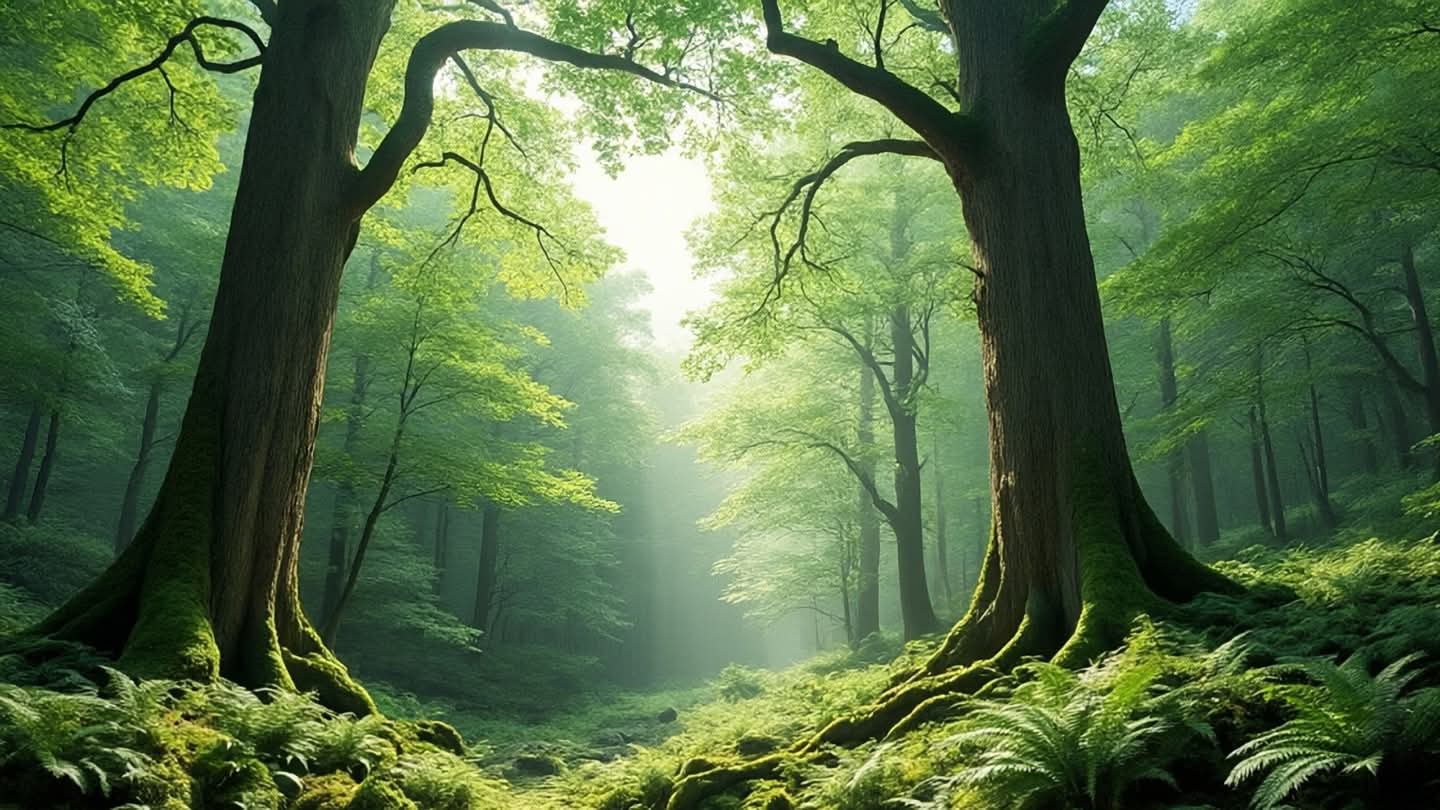
Oregon’s forests are renowned for their towering trees and untouched wilderness, serving as sanctuaries for biodiversity and sources of clean water. Among these, the roadless areas hold a special place, remaining largely free from industrial development and human intrusion. However, these pristine landscapes now face a new threat, as policy shifts and economic pressures mount to open them up for logging and resource extraction. The debate over their future highlights the tension between conservation and economic gain.
Roadless areas, designated under federal rules to limit construction and commercial activity, are vital for wildlife habitats and carbon storage. They provide refuge for species like the spotted owl and salmon, which depend on intact ecosystems. For conservationists, these forests are irreplaceable assets, offering resilience against climate change and preserving natural heritage. Opening them to development could have irreversible ecological consequences.
Proponents of increased access argue that logging and mining can boost local economies and create jobs in rural communities. They contend that sustainable management can balance resource use with environmental protection. However, critics point out that road construction often leads to habitat fragmentation, increased erosion, and higher risks of wildfires. The short-term economic benefits, they argue, do not outweigh the long-term environmental costs.
The current threat stems from legislative efforts and administrative changes that seek to reinterpret or roll back existing protections. Lobbying groups representing timber and mining industries have intensified their campaigns, urging policymakers to prioritize resource extraction. This pressure has created uncertainty for forest managers and local residents who value the status quo. The political battle is fierce, with both sides mobilizing support.
For indigenous communities, the stakes are particularly high. Many tribes have cultural and spiritual ties to these lands, viewing them as ancestral territories. Their voices are increasingly central to the debate, advocating for stewardship models that respect traditional knowledge and rights. The inclusion of indigenous perspectives adds depth to the conversation, emphasizing the holistic value of the forests.
Scientific studies support the importance of roadless areas for climate mitigation. Undisturbed forests sequester significant amounts of carbon, helping to offset greenhouse gas emissions. Disrupting these ecosystems could release stored carbon, exacerbating global warming. As climate change accelerates, the role of these forests becomes even more critical, making their protection a priority for environmental scientists.
Public engagement in the issue is growing, with grassroots organizations organizing protests and petition drives. Citizens are expressing their desire to preserve Oregon’s natural beauty for future generations. This civic involvement demonstrates the deep emotional connection people have with the land, transcending political divides. It serves as a reminder that democracy thrives on active participation.
As the decision looms, the fate of Oregon’s roadless forests hangs in the balance. The outcome will shape the state’s environmental legacy and influence national policies on public lands. For now, the trees stand silent, waiting to see if their sanctuary will be preserved or compromised. The choice reflects our values and our vision for a sustainable future.
AI Image Disclaimer: Images accompanying this report are AI-generated artistic interpretations of forest landscapes and conservation symbols, intended to visualize the context of the environmental debate without depicting real proprietary maps.
Sources: The Oregonian, High Country News, Earthjustice, NPR
Published by Banx Network. This article is part of the Banx decentralized media programme, powered by the BXE token on the XRP Ledger.