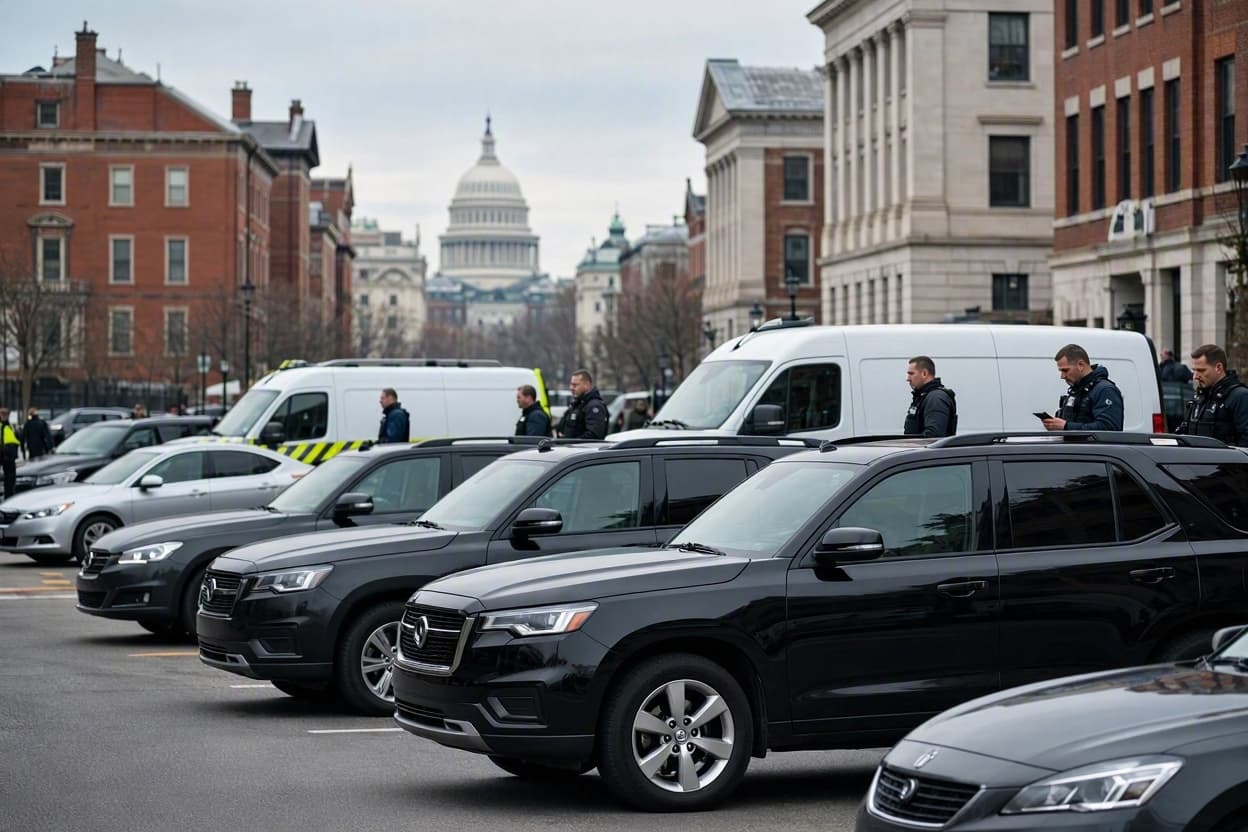
In the corridors of power in Washington, D.C., policy often translates into action with quiet efficiency. Recently, Immigration and Customs Enforcement (ICE) conducted a large-scale operation in the capital region, resulting in a significant number of arrests. Described by reports as a "jaw-dropping" surge in enforcement, the operation highlights the ongoing tension between federal immigration mandates and the local communities affected by them. It is a reminder that behind the political rhetoric lie real lives and complex legal realities.
The operation targeted individuals with final orders of removal or those deemed priorities under current enforcement guidelines. Agents moved through various neighborhoods in the D.C. metropolitan area, including parts of Maryland and Virginia, executing warrants with precision. The scale of the arrests was notable, marking one of the largest single efforts in the region in recent years. Officials stated that the focus was on public safety threats and recent border crossers.
For the immigrant community, the news sparked fear and uncertainty. Many residents, regardless of their status, expressed anxiety about daily activities such as going to work or sending children to school. Community organizations rushed to provide legal resources and information, urging people to know their rights. The atmosphere was tense, with rumors spreading quickly through social media channels.
Local politicians reacted with mixed responses. Some praised the operation as a necessary step to uphold the rule of law and ensure national security. Others criticized the tactics as overly aggressive and disruptive to families and local economies. The debate reflects the broader national divide on immigration policy, with D.C. often at the center of these conflicting viewpoints.
ICE officials emphasized that the operation was planned and data-driven, targeting specific individuals rather than conducting random sweeps. They argued that such efforts are essential for maintaining the integrity of the immigration system. However, critics argue that the human cost is high, separating families and creating a climate of distrust between law enforcement and immigrant communities.
The economic impact of such operations is also a concern. Many industries in the D.C. area rely on immigrant labor, from construction to hospitality. Large-scale arrests can disrupt workflows and create labor shortages, affecting local businesses. Economists warn that sudden changes in the workforce can have ripple effects throughout the regional economy.
As the dust settles, the focus shifts to the legal proceedings for those arrested. Each case will be reviewed individually, with opportunities for appeal and representation. The outcome of these cases will depend on various factors, including criminal history, family ties, and asylum claims. The process is often lengthy and complex, requiring significant legal resources.
The massive ICE operation in the D.C. area underscores the continuing complexity of immigration enforcement. It serves as a poignant reminder of the balance between national security concerns and the humanitarian aspects of migration, a balance that remains difficult to achieve.
AI Image Disclaimer: Any images used in conjunction with this article are AI-generated conceptualizations meant to illustrate the themes of media and justice.
Sources: Fox News, Washington Post, NBC Washington, Immigration and Customs Enforcement
Published by Banx Network. This article is part of the Banx decentralized media programme, powered by the BXE token on the XRP Ledger.