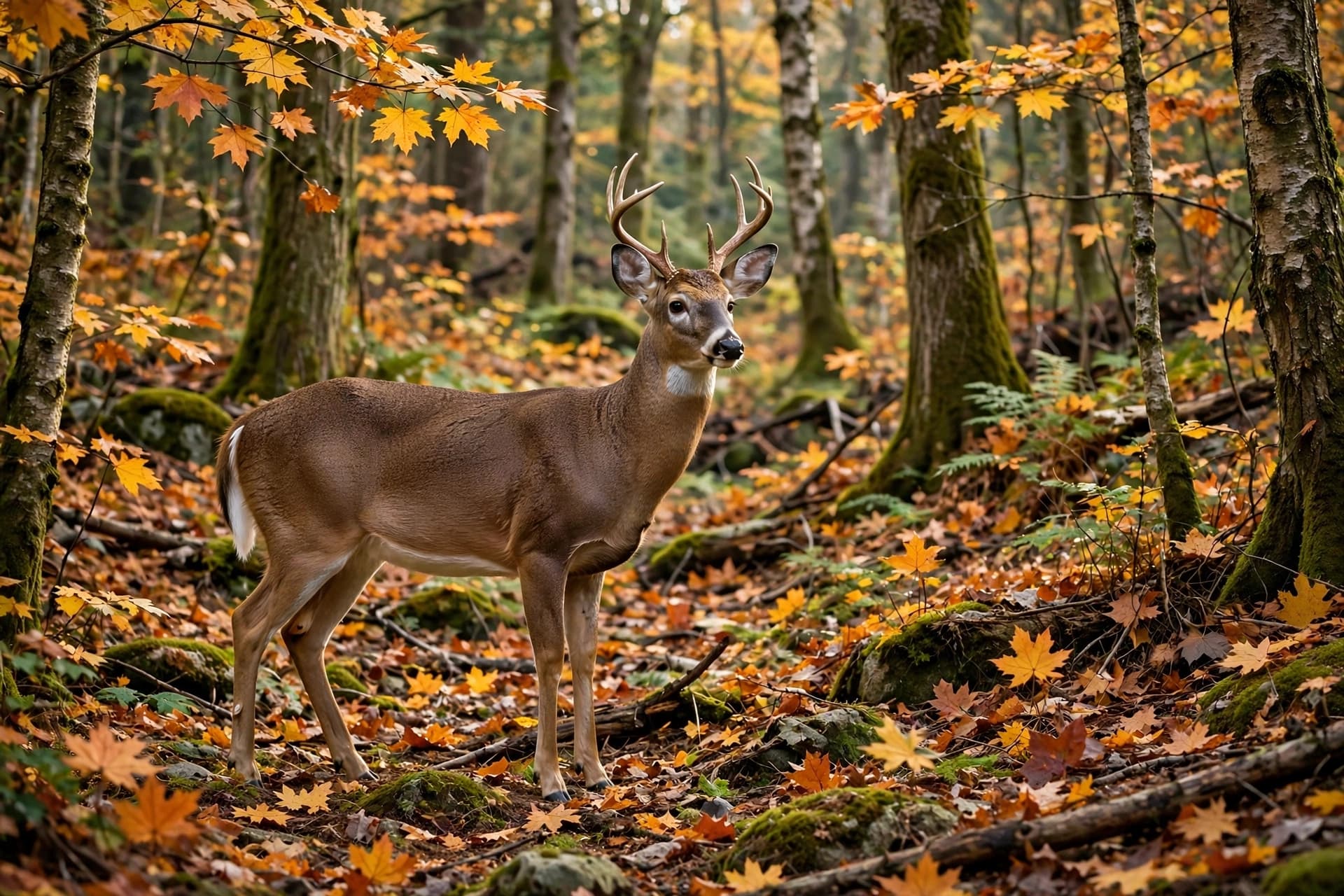
In the crisp autumn air of Ontario, where the forests turn a tapestry of gold and crimson, a quiet but critical collaboration is taking shape. Wildlife officials are reaching out to hunters and farmers, asking for their assistance in monitoring Chronic Wasting Disease (CWD) in white-tailed deer. This progressive neurological condition, which is always fatal to cervids, poses a significant threat to local ecosystems and the agricultural community. The request is not merely bureaucratic; it is an invitation to become stewards of the land, ensuring that the health of wildlife remains intact for future generations. Vigilance is the price of preservation.
Chronic Wasting Disease is caused by misfolded proteins called prions, which accumulate in the brain and nervous system of infected animals. Symptoms include weight loss, stumbling, and behavioral changes, but the disease can remain undetected for months or even years. Because there is no cure or vaccine, early detection through surveillance is the most effective tool available. Knowledge is our primary defense against this silent invader.
Hunters play a pivotal role in this effort. By submitting samples from harvested deer, particularly in high-risk zones near the Quebec border, they provide scientists with essential data on the spread of the disease. This citizen science approach transforms a recreational activity into a vital contribution to conservation. Participation empowers the community.
Farmers, too, are on the front lines. Those who raise deer or elk must adhere to strict biosecurity measures to prevent transmission from wild populations. Fencing and feed management are crucial steps in protecting domestic herds. Agriculture and wildlife management are increasingly intertwined. Cooperation ensures safety.
The government has established drop-off locations and testing protocols to make participation as convenient as possible. While the process may seem cumbersome, the collective benefit far outweighs the individual inconvenience. Shared responsibility strengthens societal resilience. Trust is built through action.
Public awareness campaigns emphasize that CWD does not currently pose a risk to humans, but caution is advised. Health agencies recommend avoiding consumption of meat from infected animals. Prudence is a wise companion in matters of health. Safety first is a guiding principle.
As the hunting season progresses, the hope is that widespread testing will map the extent of the disease accurately. This data will inform future management strategies, including potential culling or habitat adjustments. Science guides policy. Evidence leads the way.
In the end, the call for support is a testament to the interconnectedness of nature and humanity. By working together, Ontarians can protect their natural heritage and ensure the sustainability of deer populations. Stewardship is a legacy we leave behind. Care sustains life.
AI Image Disclaimer: The visual representations included here are AI-generated illustrations designed to depict wildlife monitoring and rural landscapes, not actual photographs of specific deer samples or testing facilities in Ontario.
Sources: Ontario Ministry of Natural Resources and Forestry CBC News The Globe and Mail
Published by Banx Network. This article is part of the Banx decentralized media programme, powered by the BXE token on the XRP Ledger.