
Key Highlights
- One-third of Australia's population is now born overseas, marking a significant demographic shift.
- The top countries of origin include England, India, and China, with rising numbers from Southeast Asia and Latin America.
- This transformation is reshaping Australia's cultural identity and social dynamics.
Australia has always been a country defined by its horizon, a vast island continent that has beckoned travelers, seekers, and survivors for centuries. From the ancient presence of the First Nations people to the colonial arrivals of the past centuries, the land has been a vessel for a multitude of stories. Today, that vessel is fuller than ever before, its contents more varied and vibrant than any map could fully capture.
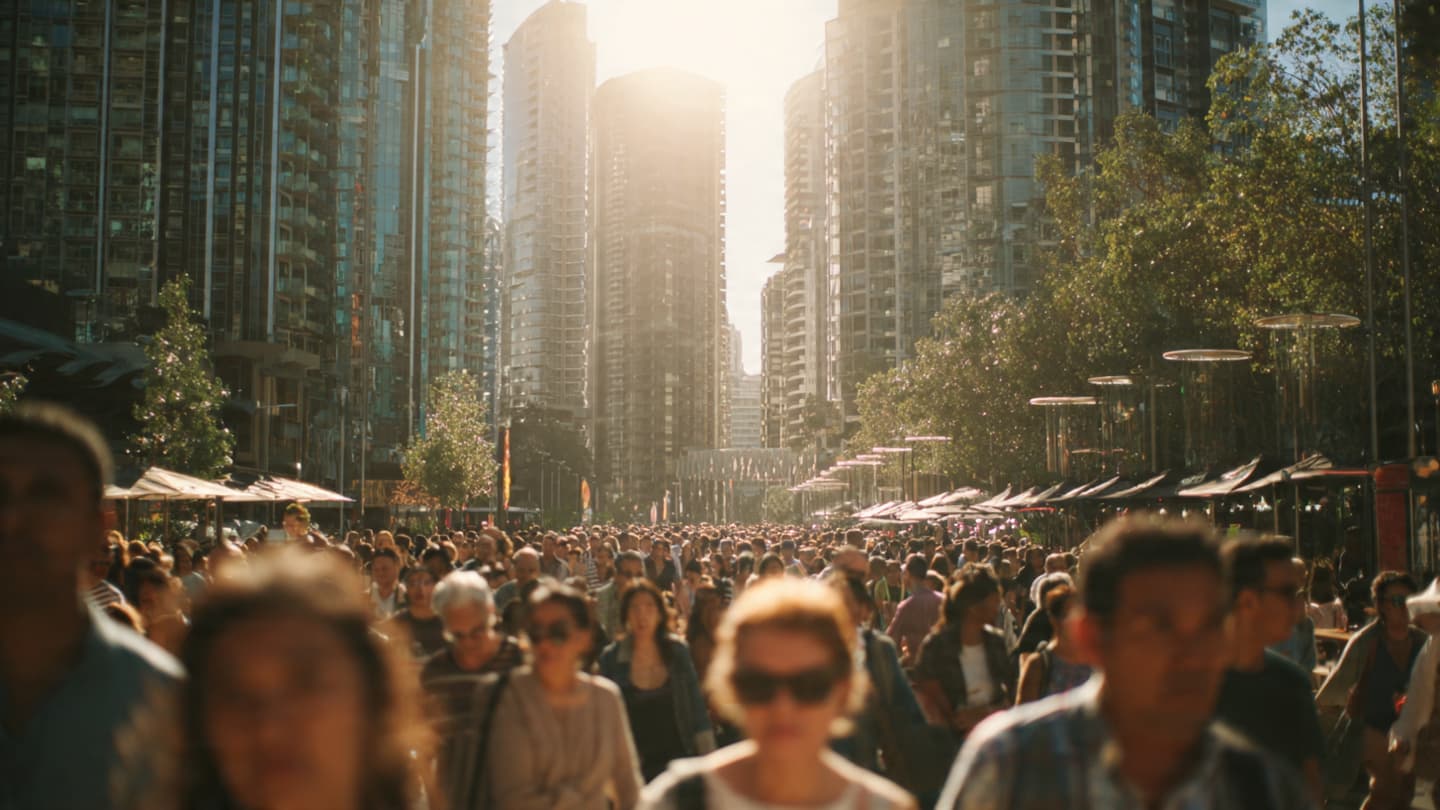
Recent data from the Australian Bureau of Statistics (ABS) reveals a profound milestone: one-third of the nation's population was born overseas. This statistic signifies more than just a demographic shift; it represents a fundamental transformation of the country’s social fabric. Walking down a street in any Australian city, one can hear a chorus of languages and see a kaleidoscope of faces that reflect the entire world. This moment marks a cultural arrival, where the definition of what it means to be Australian is being rewritten in real-time.
The beauty of this diversity lies in its reflective nature, suggesting that the nation is becoming a mosaic where every tile brings its own unique color and history. New arrivals contribute memories of different skies, flavors from distant kitchens, and the resilience of those who have crossed oceans to start anew. This influx of global energy has turned Australian suburbs into living laboratories of multiculturalism, where the old and the new coexist under the same brilliant sun.
However, this transition is not without its challenges. The nation grapples with the logistics of growth and the complexities of integration. Yet, an underlying sense of optimism permeates the Australian air—a belief that a nation built by many is stronger than one built by few. The identity of the country is no longer a static concept preserved in a museum, but a fluid, evolving narrative co-authored by millions from every corner of the globe.
In parks and bustling markets, the reality of this demographic shift is visible in everyday interactions—a casual acceptance that has become the hallmark of the Australian character. The distance between 'us' and 'them' is dissolving, replaced by a shared investment in the future of the land they now all call home. This is a story of belonging that encompasses both the destination and the journey.
Looking toward the future, the implications of this demographic shift are vast and inspiring. It suggests a country more connected to the world than ever before, serving as a bridge between the East and the West, the North and the South. The Australian heart is expanding to accommodate new traditions, perspectives, and dreams, ensuring that the spirit of the land remains as diverse as its landscape.
The ABS confirms that the proportion of the population born overseas has reached 33%, the highest level since the late 19th century. England, India, and China remain the top three countries of birth for these residents, though significant growth has been noted in migration from Southeast Asia and Latin America. Sociologists suggest that this demographic trend is a primary driver of Australia’s cultural and economic dynamism in the 21st century.
As the sun sets over the outback and cities, it shines on a people as varied as the stars in the southern sky, united by the powerful act of choosing this land as their own.
Published by Banx Network. This article is part of the Banx decentralized media programme, powered by the BXE token on the XRP Ledger.



