There is a rhythm to American midterm elections, a predictable ebb and flow that usually favors the party not holding the White House. This year, that rhythm has grown louder, and the polls have begun to sing in a key that Democrats recognize as hope. At the same time, in a different corner of American life, two entertainment giants are preparing to merge, a union that will reshape what millions of people watch, stream, and consume.
With less than a month until Election Day, Democrats hold their largest advantage of the cycle. NBC News’ polling average puts the party’s generic ballot lead at nine points, identical to Nate Silver’s tracker and RealClearPolitics’ aggregate. Gamblers agree: prediction markets show Democrats with a 62 percent chance of sweeping both chambers . A CBS News Battleground Tracker poll similarly finds Democrats maintaining an edge for a narrow House majority, driven by opposition to the administration’s policies and a Republican base that appears less likely to turn out .
The discontent that fuels this lead is rooted in the material concerns of daily life. Consumer prices rose 3.4 percent year over year for August, outpacing wage gains. The national average for gasoline remains above $4.40 per gallon. Mortgage rates continue to climb, keeping homeownership out of reach for millions . For many voters, the economy is not an abstraction; it is the price at the pump, the cost of groceries, the rent check that arrives each month.
Yet the Democratic advantage carries its own complications. A plurality of independents say their vote will be a signal of opposition to the president rather than an endorsement of any Democratic agenda. The party’s favorability remains net negative, and some candidates in red and purple states have kept their distance from national figures . Winning, it seems, may be easier than governing.
In a separate development, Paramount Skydance is set to complete its acquisition of Warner Bros. Discovery on October 6, following a federal judge’s approval of a settlement with twelve states that had sued to block the deal . The merger will unite two of Hollywood’s last five legacy studios, bringing CBS News together with CNN, HBO Max with Paramount+, and a vast library of films and television under one corporate roof . As part of the settlement, the combined company has committed to an editorial independence board for CNN and CBS News and a pledge to increase domestic film production .
The two stories—the political and the corporate—unfold in different registers, but they share a common thread. Both involve concentrations of power and the question of what accountability looks like in an era of consolidation. One is measured in votes; the other in boardrooms and legal filings.
For now, the midterm polls offer Democrats a clear edge, and the merger offers Paramount a new scale. What remains uncertain is how either will translate into the lived experience of Americans who are watching both unfold with a mixture of hope, skepticism, and the quiet exhaustion of a long political season.
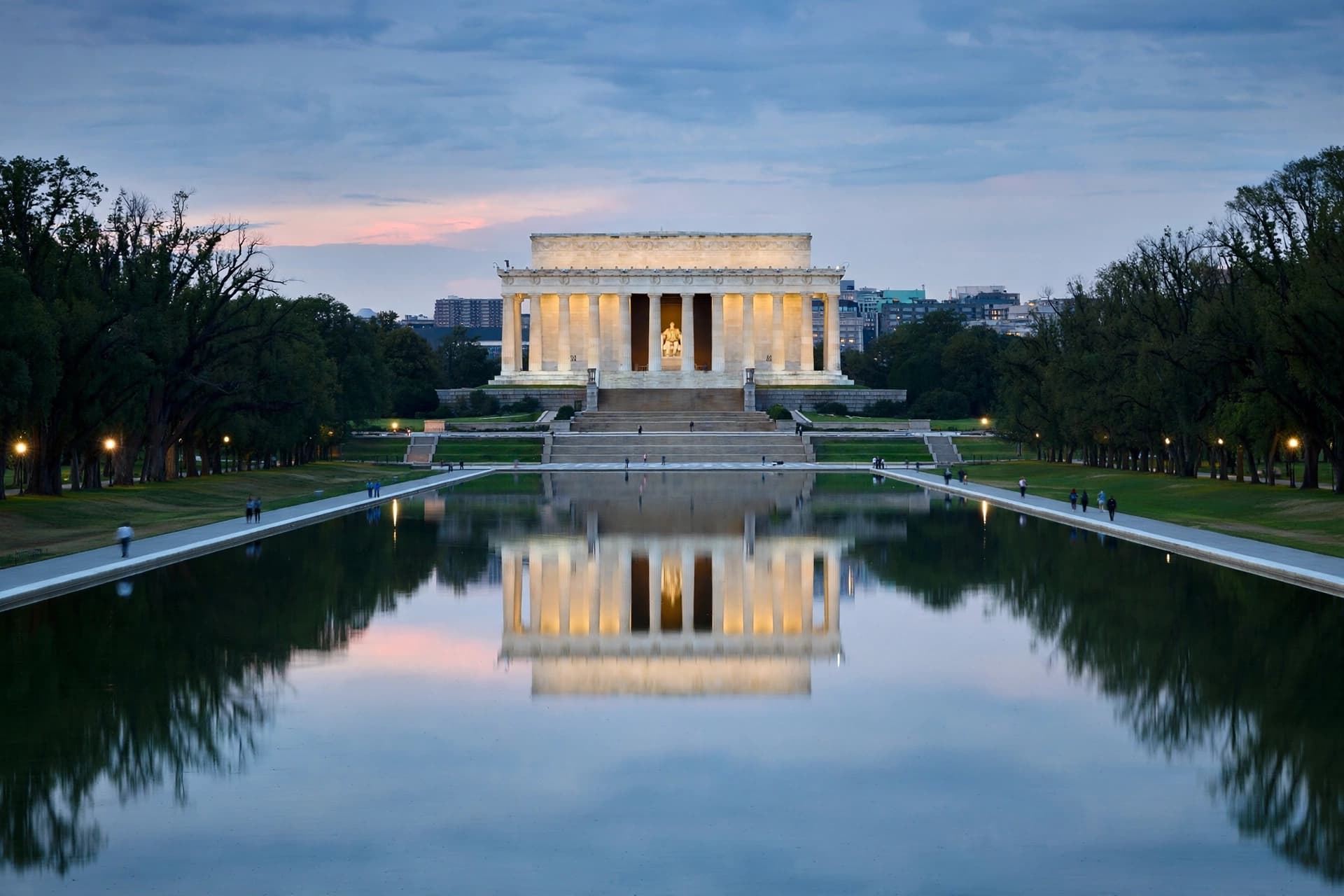
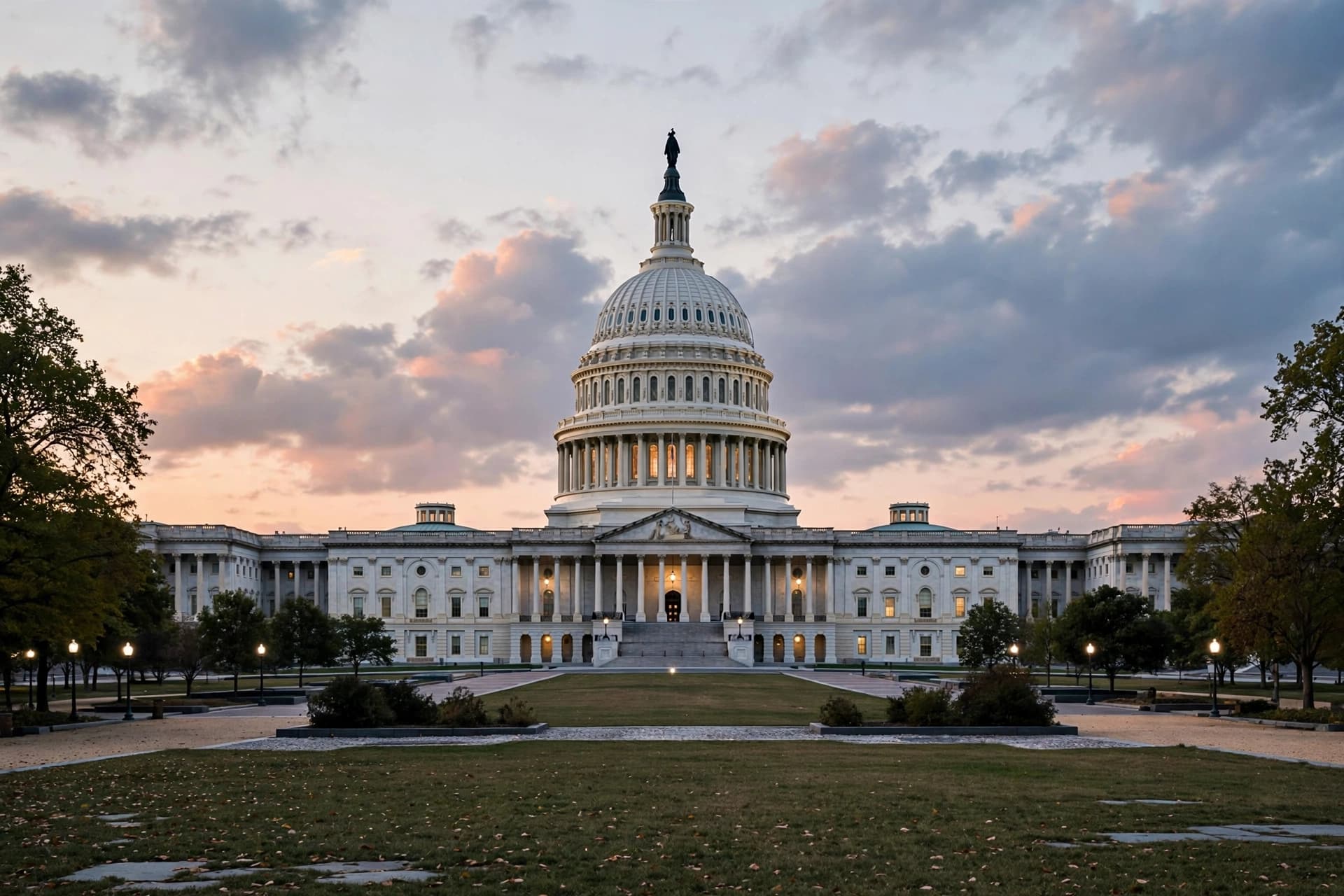
AI Image Disclaimer: The images used with this article are generated by artificial intelligence and are illustrative only.
Sources: The Hill, CBS News, Georgia Public Broadcasting, Warner Bros. Discovery, CNN, The Canadian Press, Bloomberg
Published by Banx Network. This article is part of the Banx decentralized media programme, powered by the BXE token on the XRP Ledger.