

Key Highlights
- Date of Incident:March 28, 2026, in central Israel.
- Casualties:One individual killed in the missile attack.
- Military Response:Increased readiness among Israeli forces following the attack.
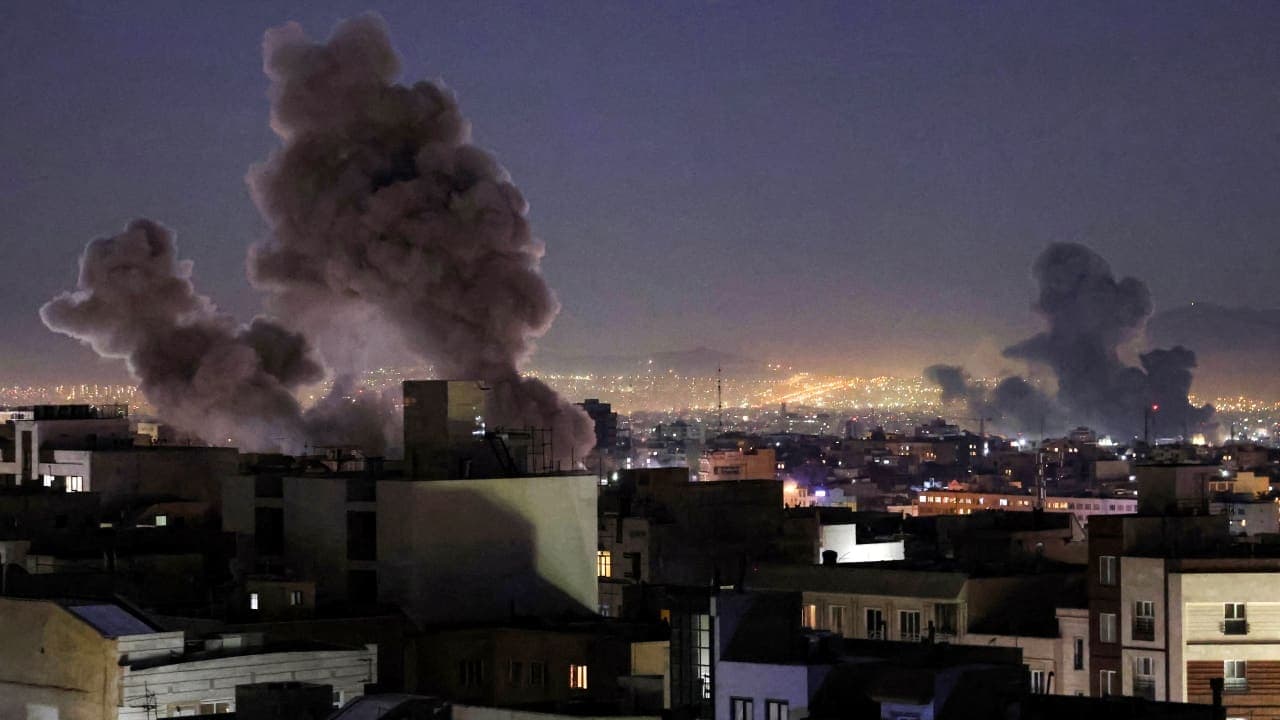
On March 28, 2026, central Israel experienced a devastating attack when an Iranian cluster missile struck, resulting in the death of one person and multiple impact sites reported across the region. This incident marks a significant escalation in the ongoing tensions between Israel and Iran, highlighting the precarious security situation in the Middle East.
The Israeli Defense Forces (IDF) confirmed that the missile targeted civilian infrastructure, raising alarms about the use of cluster munitions in conflict. These weapons are notorious for their ability to scatter smaller submunitions over a wide area, posing long-term risks to civilians even after the initial attack. The IDF's emphasis on the nature of the threat underscores the serious implications of such military actions.
In the aftermath of the attack, emergency services were deployed to assess the damage and provide assistance to those affected. Authorities are conducting thorough investigations to determine the specifics of the incident and to ensure that any further threats are mitigated. The situation has prompted a heightened state of alert among Israeli military forces, who are prepared for potential additional aggression from Iranian-backed groups.
This missile strike is a stark reminder of the complexities surrounding the ongoing conflict involving Iran and its regional proxies. As tensions escalate, both the Israeli government and military are poised to respond decisively to any further provocations. International observers have expressed concern over the potential for wider conflict and the urgent need for diplomatic efforts to de-escalate the situation.
The global community is closely monitoring developments, recognizing that such attacks could have far-reaching implications for regional stability and international security. The call for dialogue and diplomatic solutions is more pressing than ever, as the risk of further violence looms large in the volatile landscape of the Middle East.
As the situation unfolds, it remains crucial for all parties involved to engage in constructive discussions to prevent further escalations and to work towards a peaceful resolution of the underlying issues that fuel this ongoing conflict.
Published by Banx Network. This article is part of the Banx decentralized media programme, powered by the BXE token on the XRP Ledger.




