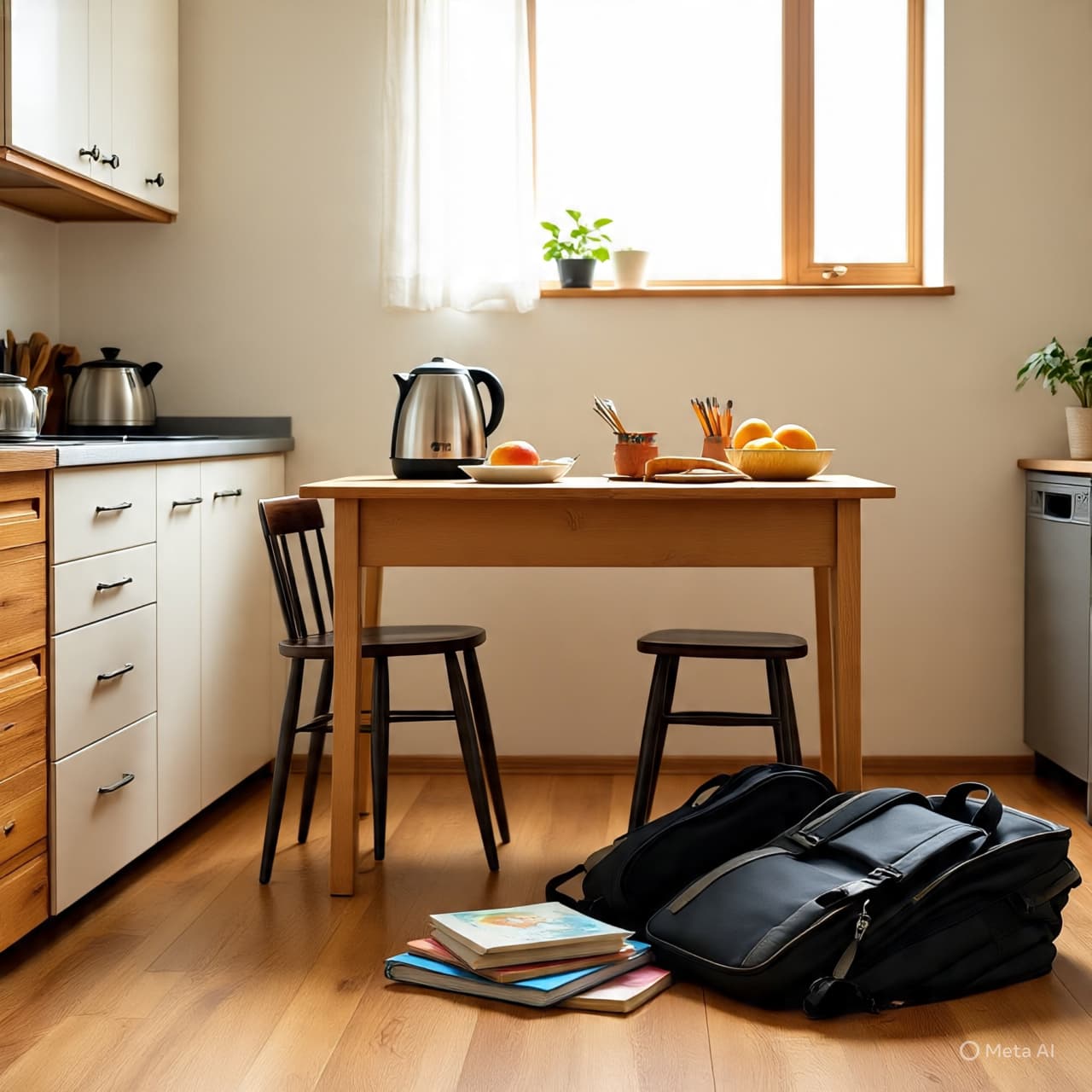
Morning in New Zealand often arrives with a particular clarity — light stretching across harbors, schoolbags thudding softly against kitchen chairs, the familiar choreography of breakfasts and bus stops. From a distance, it can appear orderly, even idyllic. Yet beneath that surface rhythm, new data suggests a quieter reality shaping childhood for many.
Fresh figures show that one in seven New Zealand children are living in material hardship, a measure that reflects not just low income but the absence of essentials — adequate heating, nutritious food, reliable clothing, and the ability to participate fully in school and community life. The statistic, drawn from national household surveys, translates to tens of thousands of young people navigating daily life with fewer buffers against uncertainty.
Material hardship differs from income poverty alone. It captures lived experience — whether families can pay power bills on time, replace worn-out shoes, or afford doctor visits when needed. In policy language, it is an index; in practice, it is the difference between comfort and constant calculation.
The latest data arrives amid ongoing debate about wages, welfare settings, housing costs, and the broader cost of living. Rents have climbed steadily in many regions, groceries remain expensive, and families on fixed or modest incomes often feel the margin narrowing. For children, the consequences ripple outward — shaping health outcomes, educational participation, and long-term opportunity.
Government officials point to existing child poverty reduction targets and support programs designed to ease pressure, including family tax credits and housing assistance. Advocacy groups, meanwhile, argue that the figures show progress has stalled in certain measures and that structural changes are needed to address entrenched disadvantage. The conversation is less about a single budget line and more about the architecture of support surrounding families.
Statistics, by nature, compress experience into proportion. “One in seven” is tidy on a page, but uneven in lived reality. It can mean a child skipping a school trip because the fee is out of reach, or a parent quietly stretching groceries across days. It can also mean resilience — neighbors sharing resources, schools providing breakfast programs, communities knitting small safety nets where policy gaps remain.
New Zealand has long spoken of fairness as part of its civic identity. The new data does not erase that narrative, but it complicates it. It asks what fairness looks like in practice — how evenly opportunity is distributed across suburbs and towns, across rural roads and city blocks.
As the figures settle into public debate, they do what numbers often do best: they demand attention without raising their voice. In classrooms this week, children will still line up for attendance. The buses will still run. The mornings will still be clear. But behind the ordinariness, one in seven remains — a ratio that carries both urgency and the possibility of response.
AI Image Disclaimer
Illustrations were created using AI tools and are not real photographs.
Sources
Stats NZ
Child Poverty Action Group
Ministry of Social Development
RNZ
Published by Banx Network. This article is part of the Banx decentralized media programme, powered by the BXE token on the XRP Ledger.