
Key Highlights
- Public transport ridership in Malaysia reached 1.31 million daily in 2025.
- A single-day peak of 1.63 million passengers was recorded on December 31, 2025.
- Experts attribute the rise in ridership to improved reliability and infrastructure investments.
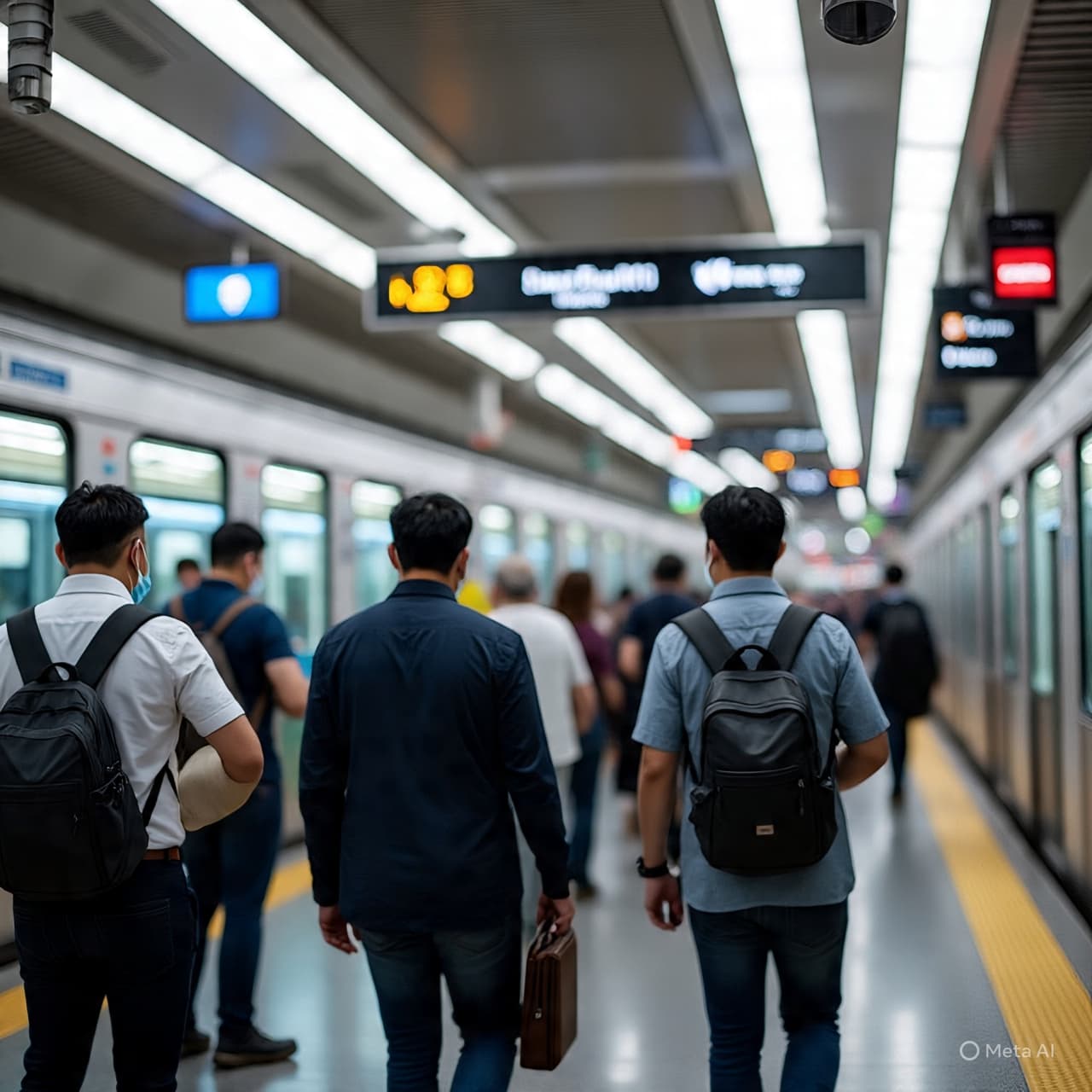
In recent years, Malaysia has witnessed a significant shift in transportation habits, with more citizens opting for public transport over private vehicles. This trend is underscored by data from Prasarana Malaysia Bhd, the operator of the country's bus and rail services, which reported an impressive average daily ridership of approximately 1.31 million passengers in 2025. This figure marks an 11 percent increase from the previous year, culminating in a record single-day peak of 1.63 million passengers on December 31, 2025.
Experts view this increase in ridership as a promising sign for urban mobility and environmental sustainability. Associate Professor Law Teik Hua from Universiti Putra Malaysia’s Road Safety Research Centre emphasizes that the growing number of commuters reflects a heightened trust in the reliability and accessibility of public transport systems. This shift is not only beneficial for reducing traffic congestion but also plays a crucial role in lowering carbon emissions.
Commuters have noted tangible improvements in service quality as a key factor in their decision to switch to public transport. Reports indicate a significant decline in rail service disruptions, which has bolstered reliability and commuter confidence. Additionally, ongoing investments in infrastructure, including dedicated bus lanes, system electrification, and expanded pedestrian walkways, are making public transport more convenient and appealing to users.
Beyond the practical advantages, the rise in public transport ridership signifies a broader cultural transformation within Malaysian society. Shared transport options not only alleviate the number of private vehicles on congested roads but also foster a sense of community among commuters. This interconnectedness enhances social ties across workplaces, schools, and neighborhoods, illustrating how reliable public systems can reshape urban life.
Despite the positive trends, challenges remain. Projects such as the delayed Shah Alam LRT line need to be completed to further enhance the public transport network. However, the current trajectory suggests a future where Malaysia's urban landscape is characterized by efficient, shared, and sustainable mobility solutions. Each swish of train doors and hum of bus engines tells a story of collective progress, trust, and a nation moving forward together.
Published by Banx Network. This article is part of the Banx decentralized media programme, powered by the BXE token on the XRP Ledger.



