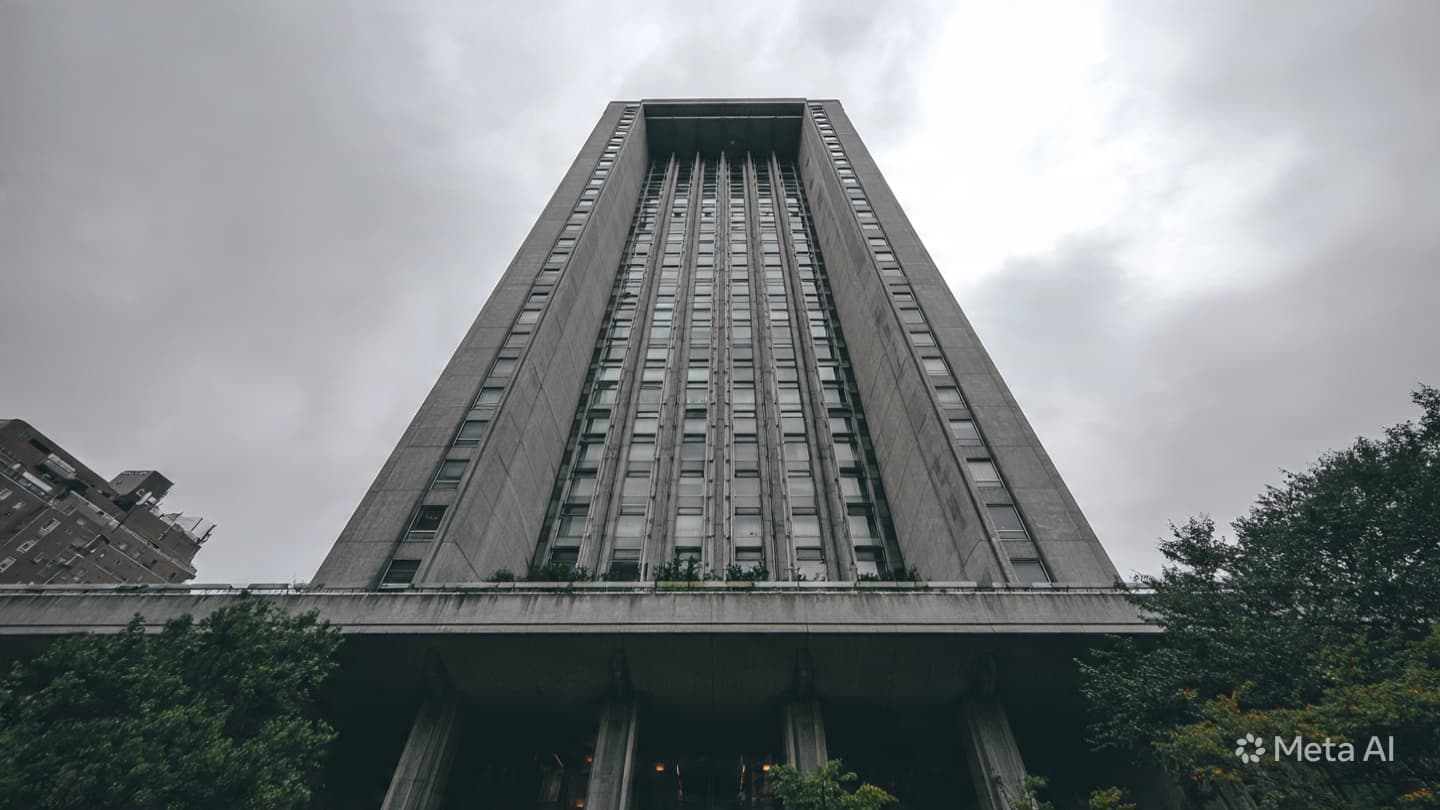
The architecture of state detention is designed to project absolute containment, a physical manifestation of the law's ability to isolate and hold those who fall outside its boundaries. Inside the immigration facilities of Tokyo, the routines are sharp and unyielding, governed by a mechanical cadence of keys, heavy doors, and sterile corridors where human movement is strictly monitored. It is an environment built on the principle of total predictability, where the outside world—with its chaotic traffic and sprawling verticality—is meant to be kept at an absolute distance. Yet, this illusion of perfect control relies on the complete compliance of those within.
This carefully maintained equilibrium was abruptly shattered during a routine shift change when a felony suspect, awaiting deportation proceedings, managed to exploit a temporary vulnerability in the facility’s physical structure. In a sequence of events that unfolded with terrifying speed, the individual breached the secure boundary of his detention cell, slipping past the internal barriers that form the core of the complex. Rather than seeking an exit through the heavily guarded ground floor, his flight took a vertical trajectory, leading him through an administrative window and out into the open air.
To the workers and commuters moving through the surrounding streets, the sudden appearance of a figure clinging precariously to an outer ledge of the multi-story facility presented a jarring, surreal spectacle. Perched high above the concrete avenues, the suspect stood as a stark symbol of defiance and desperation, his body silhouetted against the gray backdrop of the metropolitan skyline. The space he occupied was a dangerous, high-altitude limbo—too high for immediate intervention from below, yet entirely cut off from any path of meaningful escape.
The response from the metropolitan emergency services was immediate, transforming the area around the detention center into a highly structured staging ground. Fire engines deployed massive rescue cushions along the pavement, while specialized tactical teams positioned themselves at adjacent windows, attempting to establish a dialogue with the individual. The standoff moved with a slow, agonizing tension, with negotiators speaking in low, measured tones to prevent any sudden, catastrophic movement that would result in a fatal plunge onto the asphalt below.
The psychological weight of the encounter was felt by both the responding authorities and the public who gathered behind the police cordons. For several hours, the ordinary rhythm of the city was suspended in the immediate vicinity of the tower, replaced by a quiet, collective anxiety as the negotiation dragged on into the afternoon. The incident exposed a rare, public fracture in the state’s security apparatus, forcing a realization that even the most heavily fortified institutions possess vulnerabilities that can be exposed by a determined individual.
The resolution of the crisis arrived not through sudden force, but through a slow process of physical exhaustion and tactical patience. As the afternoon wind grew cooler and the physical strain of maintaining his footing on the narrow ledge became unbearable, the suspect finally accepted the assistance of the rescue team, allowing himself to be pulled back through a secure window into custody. The immediate danger had passed, leaving the air clear once more, but the institutional shockwaves of the escape were only beginning to manifest.
Authorities have lost no time in launching a comprehensive internal investigation into the systemic failures that allowed a felony suspect to compromise a high-security cell. Independent inspectors are conducting a thorough review of the facility's architectural vulnerabilities, examining the integrity of the window locks and the response times of the internal security staff. The inquiry is a necessary, self-correcting mechanism for the state, aimed at ensuring that such a visible and high-risk breach cannot be replicated within the immigration network.
As the evening light fades across Tokyo, the area around the detention facility has returned to its usual, mechanical harmony. The emergency vehicles have departed, the police tape has been cleared, and the crowds have dissolved back into the vast network of subway stations and office towers. The suspect rests once more behind reinforced glass, his brief, skyward flight concluded and filed away into the administrative logs of the metropolitan police department, leaving the facility to sit silently under the cold indifference of the city night.
Published by Banx Network. This article is part of the Banx decentralized media programme, powered by the BXE token on the XRP Ledger.