
Key Highlights
- Fifteenth Day:The conflict involving the U.S., Israel, and Iran has entered its fifteenth day.
- Economic Impact:Disruptions in the Strait of Hormuz are affecting global oil prices and trade.
- Civilian Unrest:Populations in the region face uncertainty as military actions continue.
The ongoing military campaign involving the United States, Israel, and Iran has now reached its fifteenth day, marking a significant period in a conflict that has already begun to reshape the geopolitical landscape of the Middle East. As the initial shock of the strikes fades, the world is witnessing the emergence of a new rhythm defined by strategic calculations and human consequences that extend far beyond the battlefield.
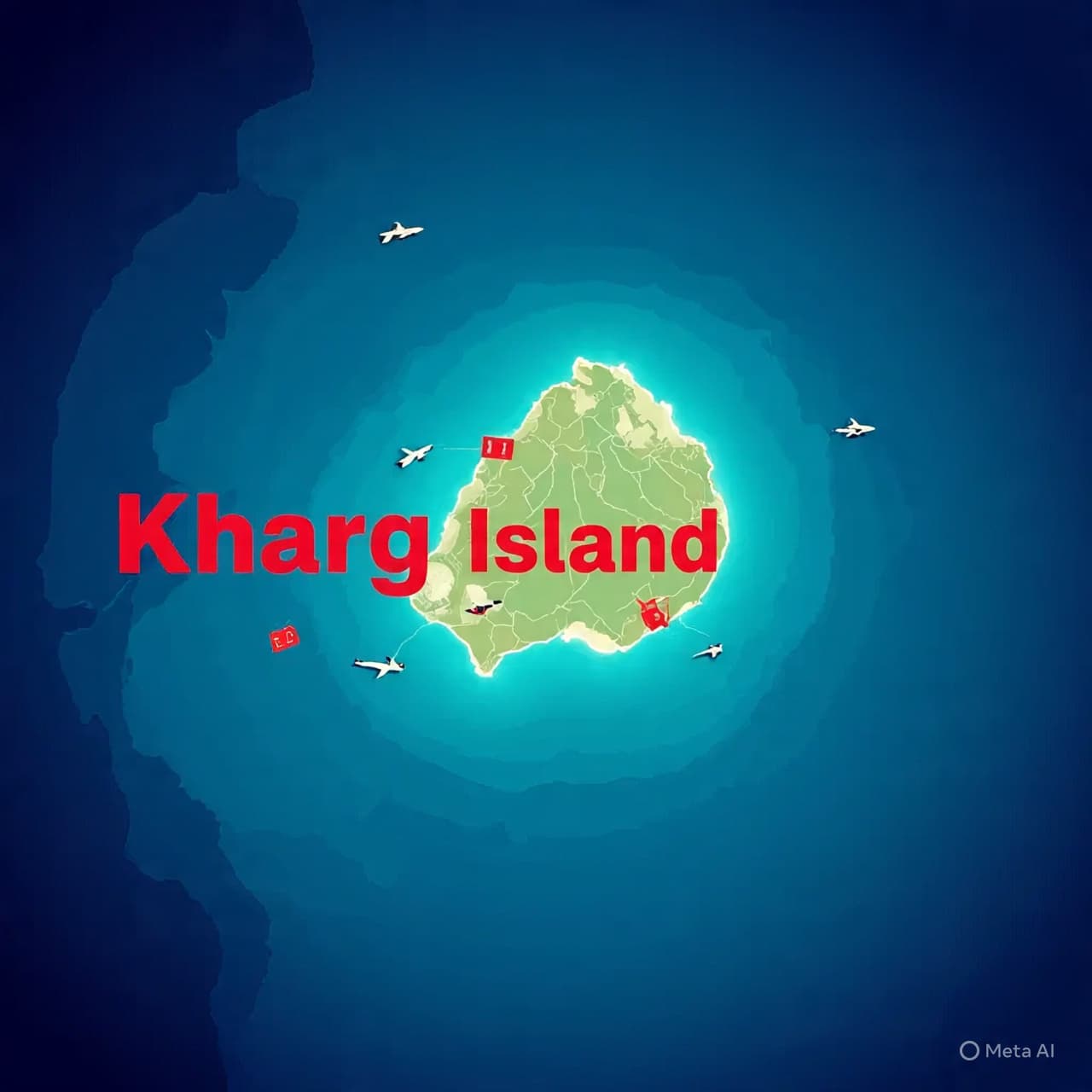
In recent days, U.S. air raids targeted military positions on Iran's Kharg Island, a crucial hub for the country's crude oil exports. President Donald Trump characterized these strikes as a calculated escalation aimed at diminishing Tehran's military capabilities while attempting to preserve vital oil infrastructure. This dual focus underscores the intricate relationship between military strategy and economic stability in modern warfare.
Iran's response has been marked by unpredictability, with missile and drone operations directed at U.S. and Israeli interests in the region. This escalation has transformed the conflict from a bilateral confrontation into a broader struggle that disrupts shipping routes, particularly through the Strait of Hormuz, a critical passage for approximately 20% of the world's oil trade. The ramifications of these disruptions are being felt globally, with oil prices experiencing volatility that has prompted several Asian nations to implement emergency measures to conserve energy and stabilize their economies.
Within Iran, the government has rallied public support through national observances and demonstrations, framing the conflict as an existential struggle against external pressures. These gatherings serve to reinforce national unity and resolve, even as the population grapples with the uncertainties of war. The economic toll of the conflict is evident, with markets reacting to both the human cost and the potential for infrastructure damage.
As the conflict continues, the narrative is not singular but rather a tapestry of intersecting military, economic, and societal threads. Each element influences the others in complex and often unpredictable ways, complicating efforts to forecast the conflict's trajectory. Governments in the region and beyond are issuing statements aimed at managing tensions, yet the prospects for immediate de-escalation appear dim.
The interplay of strategic objectives—deterrence, retaliation, the preservation of energy flows, and the survival of leadership structures—suggests that the coming days will be critical in determining the future of this conflict. As the fifteenth day unfolds, the world watches closely, aware that the decisions made now will shape the arc of this war for months, if not years, to come.
Published by Banx Network. This article is part of the Banx decentralized media programme, powered by the BXE token on the XRP Ledger.



