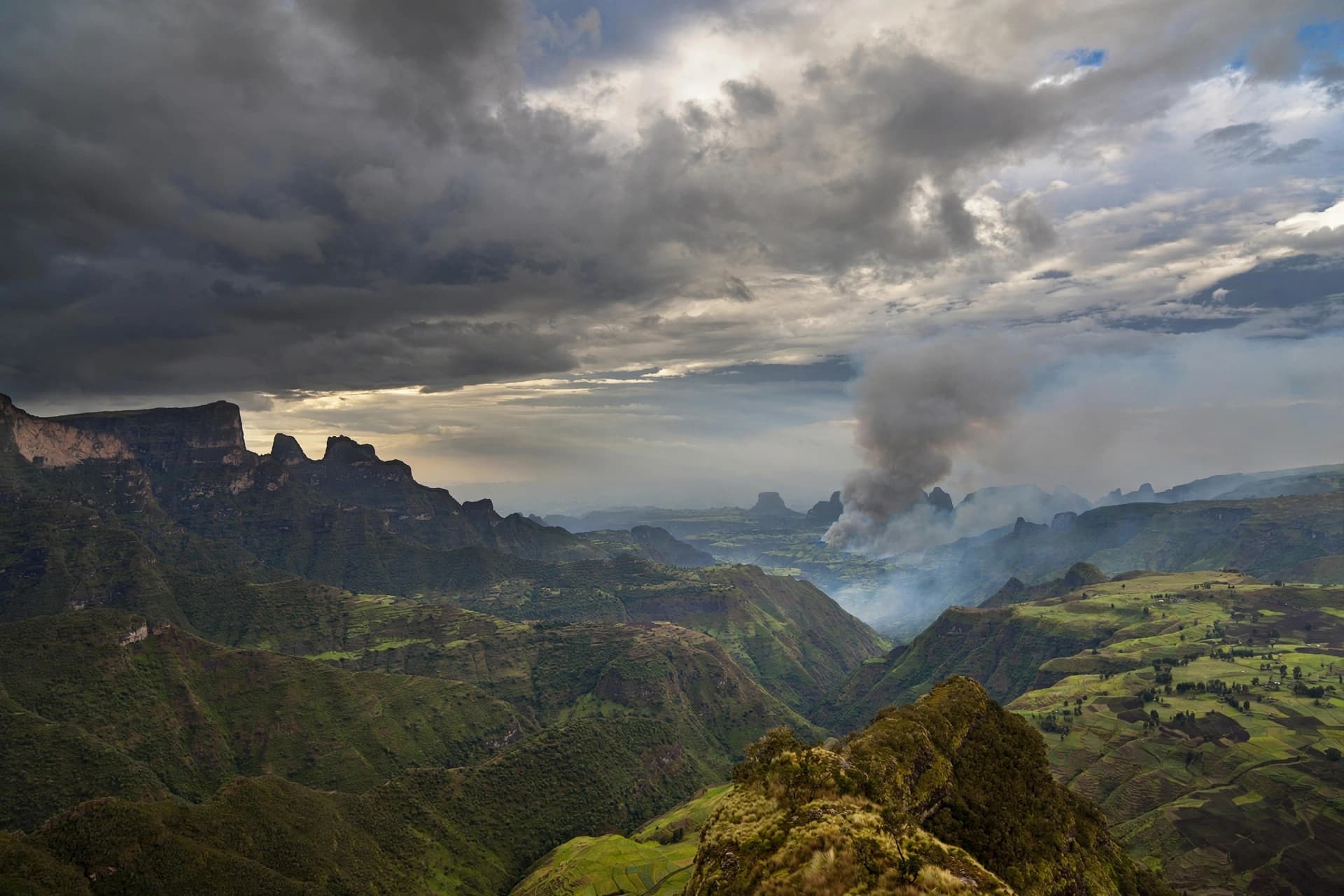
In the highlands of northern Ethiopia, the fragile peace that followed a devastating two-year war has begun to fracture. Renewed fighting between Tigrayan forces and the federal military has raised alarming questions about the stability of the region and the potential for a return to full-scale conflict. As tensions escalate, the specter of another civil war looms, threatening to undo the progress made since the 2022 peace agreement and plunging the nation back into turmoil.
The recent clashes mark a significant escalation, with reports of intense combat in the Tigray region and surrounding areas. Tigrayan rebels have described the situation as a "full-blown war," accusing the federal government of violating the terms of the previous truce. The Ethiopian National Defense Force, meanwhile, has launched counter-offensives, stating that it is responding to attacks on its positions and restoring order.
The human cost of this renewed violence is already becoming apparent. Casualties are rising, and civilians are once again caught in the crossfire. Displacement is increasing, with families fleeing their homes in search of safety. The humanitarian situation, which had begun to improve, is now deteriorating, raising concerns about access to food, medical care, and basic services in affected areas.
International observers have expressed deep concern over the developments. Diplomatic efforts to mediate the conflict are underway, but the path to de-escalation is complex. The involvement of regional actors, including Eritrea, adds another layer of difficulty, as historical grievances and strategic interests influence the dynamics of the conflict. The risk of spillover into neighboring regions remains a serious threat.
The political landscape in Ethiopia is also shifting. The ruling party faces pressure to address the root causes of the unrest, including issues of ethnic autonomy and resource distribution. Critics argue that the centralization of power has exacerbated tensions, while supporters of the government emphasize the need for national unity and sovereignty. These differing perspectives make dialogue challenging but essential.
For the people of Tigray, the return of violence is a traumatic recurrence of past suffering. Many still bear the scars of the previous war, both physical and psychological. The fear of renewed atrocities and displacement is palpable, affecting every aspect of daily life. Community leaders are calling for restraint and protection of civilians, urging all parties to prioritize human life over military objectives.
The economic implications of the conflict are also significant. Ethiopia’s economy, which has been working to recover from previous shocks, faces new disruptions. Trade routes are threatened, investment is hesitant, and agricultural production is at risk. The stability of the entire Horn of Africa is intertwined with Ethiopia’s internal peace, making this crisis a matter of regional importance.
As fighting continues, the international community watches closely, hoping for a return to dialogue and peace. The question of whether Ethiopia is on the verge of another civil war remains unanswered, but the urgency of the situation is clear. Preventing further escalation requires immediate action, compassion, and a commitment to resolving differences through peaceful means.
AI Image Disclaimer: Visuals in this article are AI-generated conceptual illustrations of conflict and humanitarian aid, not actual photographs from the current fighting in Tigray.
Sources: CNN Al Jazeera The Soufan Center DW News Wikipedia
Published by Banx Network. This article is part of the Banx decentralized media programme, powered by the BXE token on the XRP Ledger.