
Key Highlights
- Diplomatic tensions between the U.S. and Iran are escalating amid military buildup.
- President Trump warns of serious consequences if negotiations fail.
- Iranian officials vow to respond forcefully to any attack, raising fears of regional conflict.
In international affairs, the alignment of presidential rhetoric with military maneuvers often signals a precarious moment. Recently, tensions between the United States and Iran have intensified, with analysts suggesting that the situation is nearing a critical juncture. The longstanding geopolitical rivalry, compounded by nuclear concerns and regional alliances, has led to a complex interplay of diplomacy and military readiness.
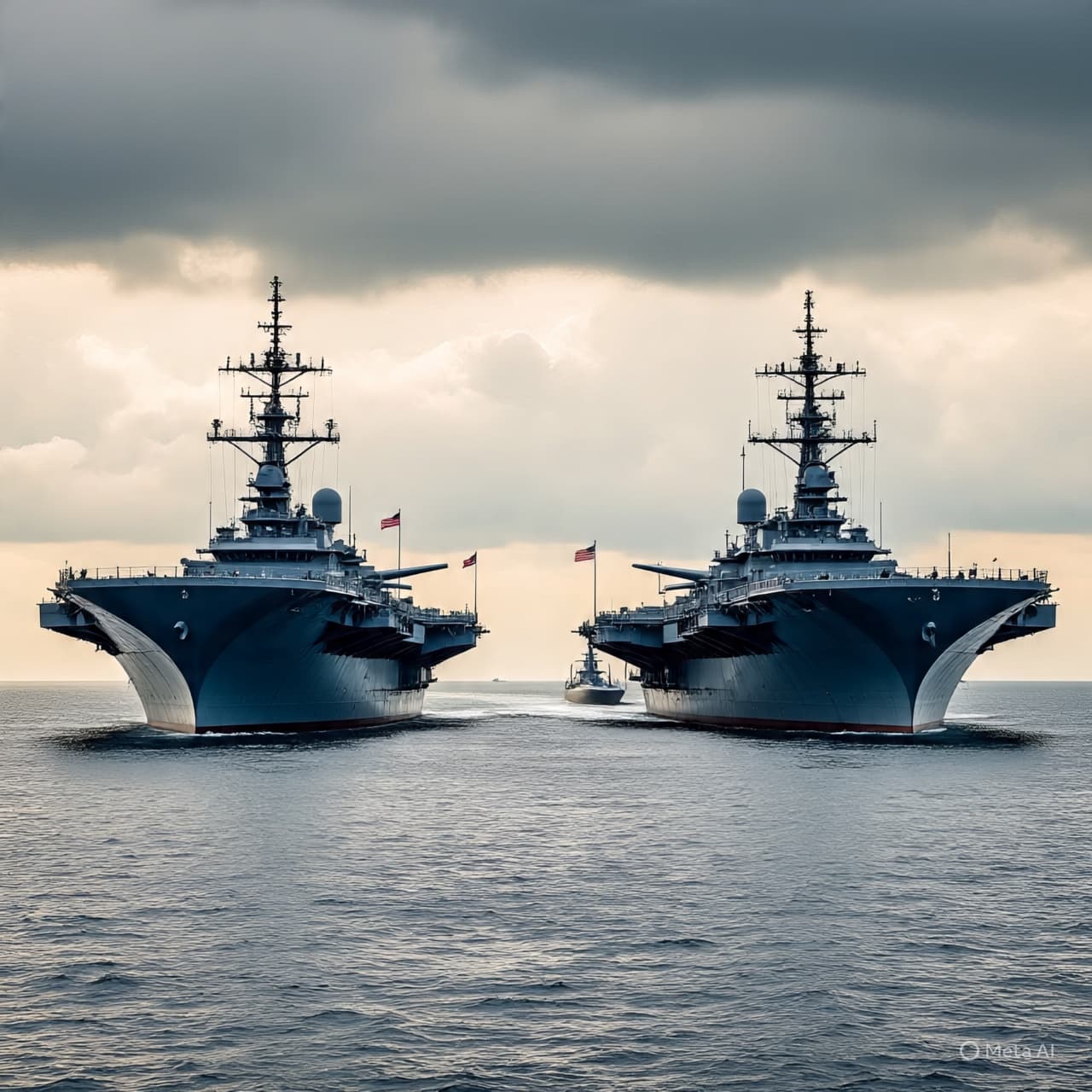
At the center of this escalation is President Donald Trump’s increasingly assertive stance toward Tehran. While indirect negotiations regarding Iran's nuclear program continue in Geneva and Oman, Trump has publicly stated that time is running out for a diplomatic resolution. He has warned of serious repercussions should talks fail, a message underscored by the U.S. military's enhanced presence in the region. Two aircraft carrier strike groups, including the USS Gerald R. Ford and USS Abraham Lincoln, are currently deployed in strategic waters near Iran, accompanied by a fleet of warships and combat aircraft.
These military movements have not gone unnoticed in Tehran. Iranian officials, including Supreme Leader Ayatollah Ali Khamenei, have made it clear that any attack on their territory would lead to a broader regional conflict, pledging a robust response. In a show of strength, Iran temporarily suspended transit through the Strait of Hormuz during live-fire drills, a significant gesture along a vital maritime route that is crucial for global energy supplies.
Despite the mounting pressures, diplomatic efforts between U.S. and Iranian officials persist. Negotiators are working to bridge substantial gaps regarding Tehran’s nuclear ambitions and missile capabilities. Trump has expressed a preference for a diplomatic solution over military action, yet he has framed the situation with stark ultimatums, suggesting that failure in negotiations could lead to decisive military action.
This precarious balance of negotiation and military readiness presents a troubling paradox. While diplomats engage in discussions in Geneva or Muscat, military fleets remain poised nearby, and advisers caution that the likelihood of confrontation is increasing. Reports from Axios indicate that senior U.S. officials believe there is a significant chance—some estimates as high as 90 percent—that the United States could be drawn into military action against Iran in the coming weeks if diplomatic efforts falter.
The implications of a potential conflict between the U.S. and Iran extend beyond military engagements; they could disrupt global markets, security alliances, and impact civilians in both nations. A conflict could escalate from airstrikes or limited military operations into a prolonged campaign with extensive consequences. For now, officials from both sides are navigating a diplomatic tightrope, acutely aware that any misstep could derail years of negotiations and strategic patience, plunging them into outright war.
Published by Banx Network. This article is part of the Banx decentralized media programme, powered by the BXE token on the XRP Ledger.



