
Key Highlights
- Four years since the full-scale invasion began in Ukraine.
- President Zelenskyy emphasizes resilience in his address to the nation.
- International leaders gather in Kyiv to reaffirm support amid ongoing conflict.
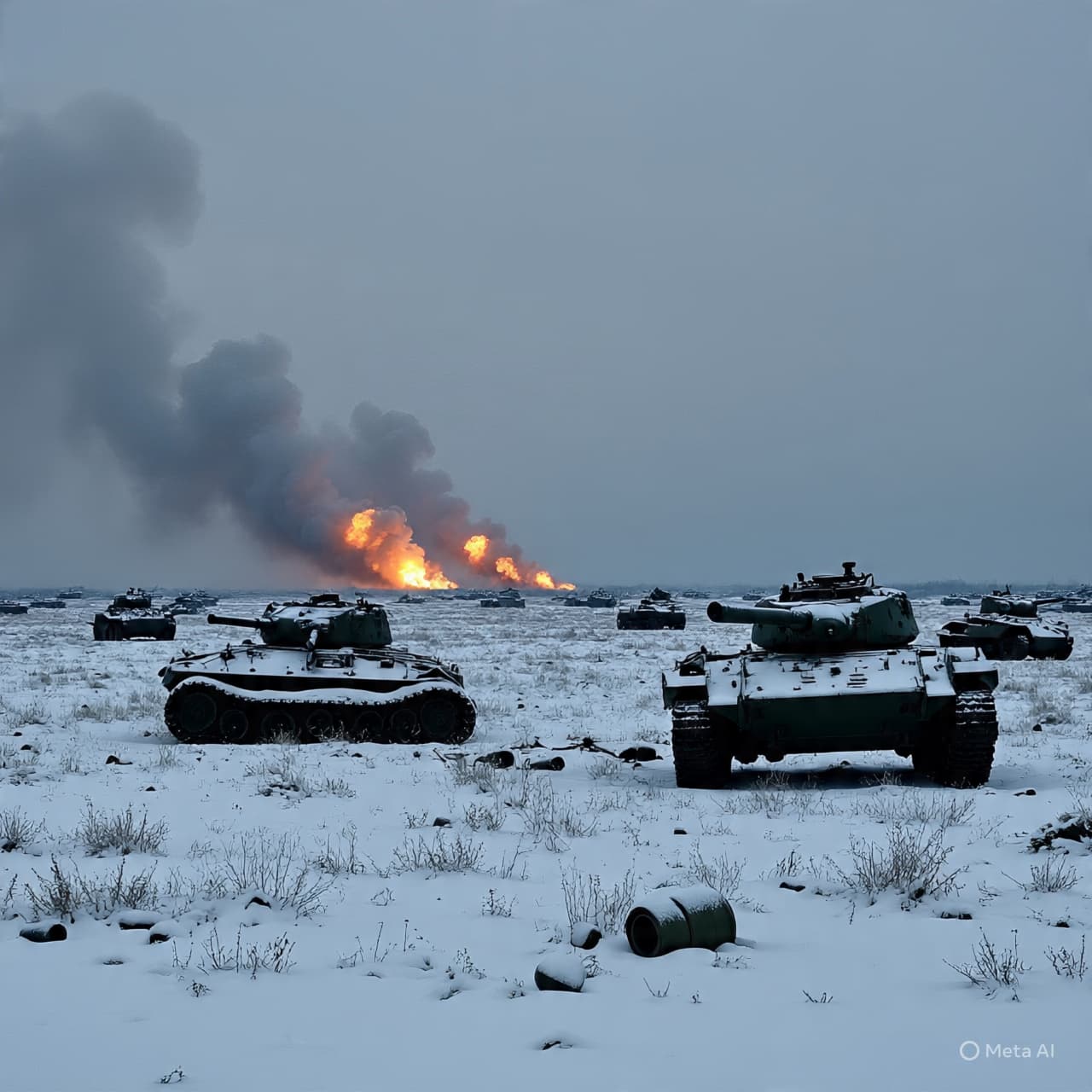
On the dawn of the 1,462nd day of the war in Ukraine, the country finds itself in a state of both weariness and resilience. The February light filters through a haze of frost and smoke, illuminating cities that have endured the ravages of conflict. The atmosphere is thick with a heavy quiet, a stillness that speaks to the reality of living alongside constant artillery fire — a pause rather than a peace.
In Kyiv, the anniversary of the full-scale invasion is marked with solemn remembrance. Streets that once echoed with the sounds of military vehicles are now adorned with flowers and flags, symbols of the nation's endurance. President Volodymyr Zelenskyy addressed the nation, balancing a tone of exhaustion with one of unwavering resolve. "They have not broken us," he declared, a phrase that has become a mantra for many Ukrainians, encapsulating their spirit of resistance.
Yet, as ceremonies unfold, the war continues unabated. In southern Ukraine, artillery shells struck near Zaporizhia and Kherson, further devastating communities. The Dnipro River, partially frozen, reflects the smoke from ongoing explosions. Ukraine's air force reported the downing of dozens of drones overnight, while frontline reports indicate small territorial advances and counterattacks, illustrating the protracted nature of this conflict that has long dispelled any notions of a swift resolution.
International leaders convened in Kyiv to acknowledge the passage of four years since the invasion began. Their discussions centered on financial support, sanctions, and the necessity for continued endurance. While their presence symbolized solidarity, an undercurrent of fatigue was palpable, hinting at the challenges of maintaining international support. At the United Nations, a resolution advocating for a "lasting peace" received broad backing, though notable abstentions, particularly from the United States, hinted at geopolitical tensions.
In Russia, the narrative surrounding the anniversary diverged sharply. State media framed the conflict as a matter of defense and destiny, while dissenting voices remained stifled by fear. Reports from independent observers indicated a tightening grip on freedom of expression, with the war evolving into a system that perpetuates itself, drawing the nation deeper into a cycle of repression.
Amidst the destruction and political rhetoric, life in Ukraine continues. Farmers in Odesa are seen loading sacks of grain, while teachers in Lviv gather students in basements to sing the national anthem before classes. In Kharkiv, power outages are met with swift repairs as engineers work tirelessly to restore services disrupted by missile strikes. Despite the ongoing turmoil, the country persists, breathing in fragments yet still alive.
As the count of days reaches 1,462, it serves as both a testament to endurance and a quiet indictment of the world's limitations in addressing the conflict. The war has transformed from a singular event into a condition that shapes the very fabric of time in Ukraine. Memory now resides not only in the past but in every sunrise, every name etched on walls, and every moment of light reclaimed from darkness.
Published by Banx Network. This article is part of the Banx decentralized media programme, powered by the BXE token on the XRP Ledger.



