
Key Highlights
- Bottled water ratings can confuse consumers.
- Health Star Rating system is primarily for packaged foods.
- Ongoing discussions aim to clarify water rating applications.
The perception of water as a simple, essential commodity is being challenged by the introduction of rating systems on bottled water. Traditionally viewed as a straightforward choice, bottled water now shares shelf space with symbols and scores that aim to guide consumer decisions. These ratings, often presented as stars or numerical scores, are intended to simplify the selection process, yet they introduce a layer of complexity that can leave shoppers bewildered.
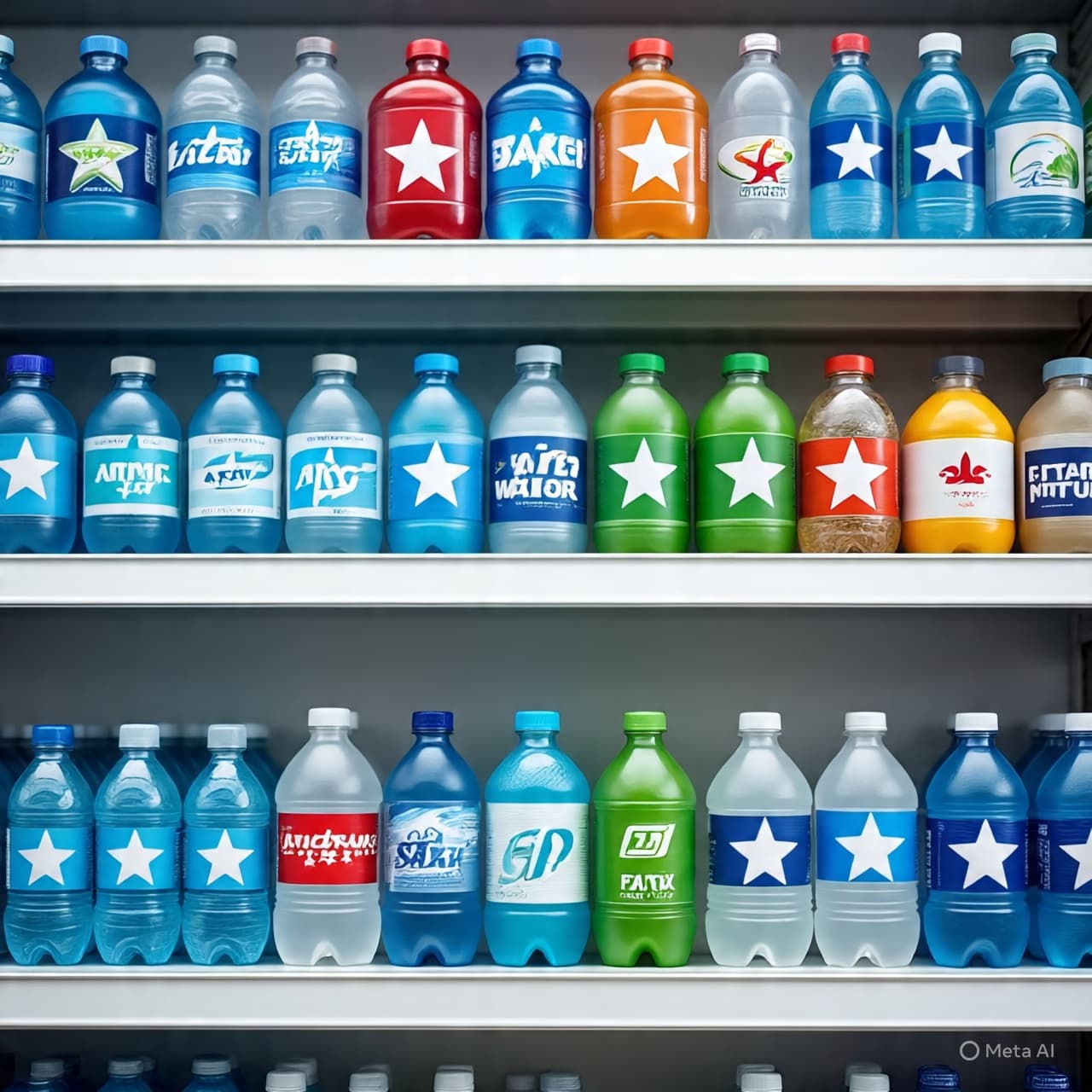
In supermarkets, consumers are faced with a range of bottled water options, each accompanied by varying ratings. While these labels are designed to help shoppers make informed choices, they can also create confusion. For instance, a bottle rated four-and-a-half stars may suggest superiority over one rated two stars, but the reality is often more nuanced. Factors such as mineral content, packaging, and classification can influence these scores, leading to misunderstandings about the health implications of different waters.
The Health Star Rating system, which aims to provide a quick reference for nutritional content, was primarily developed for processed foods where differences in ingredients are more pronounced. Applying this system to bottled water, which is typically devoid of additives, raises questions about its effectiveness. Health officials have noted that while the system is voluntary, its application to products like bottled water can mislead consumers who may interpret lower ratings as warnings about quality or healthiness.
As consumers navigate the aisles, the presence of these ratings can introduce hesitation. A shopper accustomed to the simplicity of choosing water may find themselves pausing to consider the implications of a rating. This shift from instinctive choice to deliberation reflects a broader trend in consumer behavior, where the abundance of information can lead to uncertainty rather than clarity.
Producers of bottled water are also affected by this dynamic. Some brands may highlight higher ratings as a mark of quality, using them as a marketing tool to attract health-conscious consumers. Conversely, a lower rating may necessitate explanations from producers, even if the product itself remains unchanged. This tension between marketing and consumer perception underscores the challenges of communication in a market increasingly driven by health-conscious choices.
Regulatory bodies continue to grapple with the complexities of applying the Health Star Rating system to bottled water. Discussions are ongoing about how to provide clearer guidance to consumers, aiming to reduce confusion while maintaining the integrity of the rating system. The goal is to ensure that consumers can make informed choices without oversimplifying the nuances of bottled water.
In conclusion, the introduction of ratings on bottled water has transformed the shopping experience, creating both opportunities and challenges. As consumers become more aware of health implications, the need for clear, consistent information becomes paramount. The quiet contradictions of water ratings reflect a broader conversation about health, choice, and the evolving landscape of consumer products.
Published by Banx Network. This article is part of the Banx decentralized media programme, powered by the BXE token on the XRP Ledger.



