
Key Highlights
- Viral AI videos depict Tom Cruise and Brad Pitt in rooftop battles.
- The technology raises ethical concerns about image rights and consent.
- Hollywood grapples with the implications of generative AI on creative ownership.
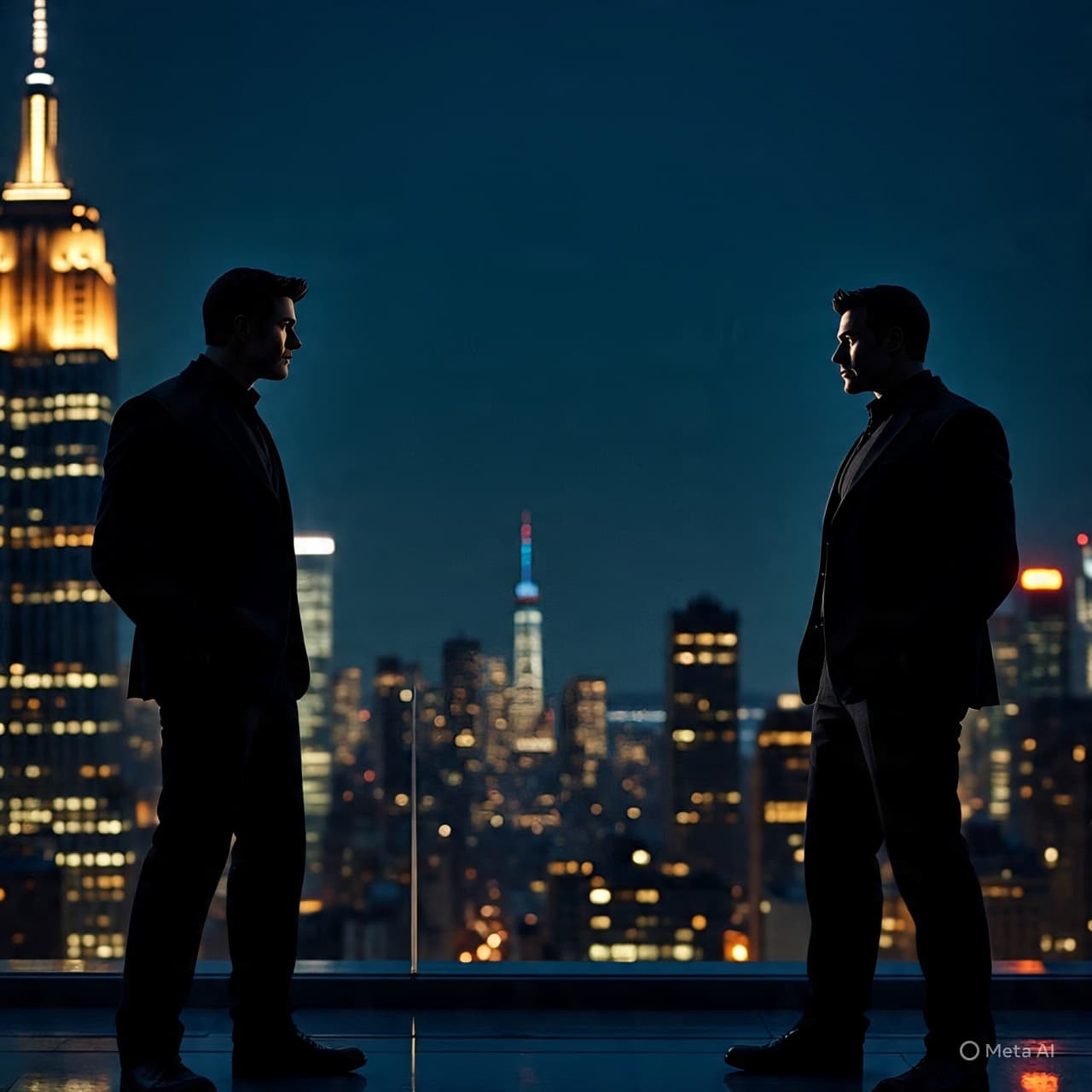
The skyline of New York has long served as cinema’s proving ground — a place where heroes clash above traffic and gravity yields to spectacle. Recently, a video depicting a rooftop “fight” between Tom Cruise and Brad Pitt captured the attention of millions on social media. However, this cinematic scene was not filmed by either actor; it was generated by Seedance 2.0, an artificial intelligence video model developed by ByteDance.
This incident is part of a growing trend where AI technology creates elaborate, staged battles featuring iconic characters like Spider-Man and Captain America soaring above Manhattan streets. The footage appears cinematic and kinetic, yet it is entirely synthetic, raising significant questions about the implications of such technology in the film industry.
The reaction from Hollywood has been swift and unsettled. Actors and studio executives have been navigating the expanding capabilities of generative technology for years, from digital de-aging to synthetic voices. However, these viral videos cross into more delicate territory: recognizable likenesses placed into scenes without consent, performances conjured without contracts, and intellectual property reimagined without studio involvement. The anger surrounding these developments is less about a single rooftop duel and more about the precedent it sets.
The film industry is built upon negotiated rights — image rights, performance rights, and character ownership. A face on screen is not merely a visual element; it is the result of agreements, guild protections, and creative labor. When AI systems can convincingly reproduce that face in unsanctioned narratives, the legal and ethical frameworks begin to strain. The implications of this technology challenge the very foundation of how films are made and who has the right to control their creation.
ByteDance’s Seedance 2.0 represents a new tier of generative video technology, capable of producing high-resolution sequences that mimic cinematic lighting, physics, and character motion. What once required a studio backlot and a visual effects team can now emerge from a data center, shaped by prompts rather than scripts. For audiences scrolling through feeds, the distinction between studio production and algorithmic creation may blur. Spectacle remains spectacle, regardless of its source. But for creators, the difference is foundational.
Hollywood is already recalibrating in response to various challenges, including compressed release windows and labor disputes over AI safeguards. The viral clips featuring AI-generated battles feel less like isolated experiments and more like early signals of a broader reckoning within the industry. As generative models improve with each iteration, they learn the grammar of film: how shadows fall across a face, how city lights flicker at dusk. They can assemble spectacle from fragments of data, drawing on decades of cinematic history to simulate something new.
In the end, the rooftop fight may fade from trending lists, replaced by the next viral curiosity. However, its afterimage lingers — a reminder that the boundaries between actor and avatar, studio and server, are becoming less distinct. Hollywood has always dealt in illusion. Now it must decide how to respond when illusion no longer requires its permission.
Published by Banx Network. This article is part of the Banx decentralized media programme, powered by the BXE token on the XRP Ledger.



