In fields from the American Midwest to the rice paddies of Asia and the wheat belts of Europe, a quiet yet accelerating threat is gnawing at the foundations of global food security. It comes not from drought or famine alone, but from the tiny organisms that feed on our crops — pests whose numbers, ranges and appetites are being supercharged by climate change. Scientists warn that humanity may be running out of time to adapt agricultural systems before these forces deepen hunger and crop losses worldwide.
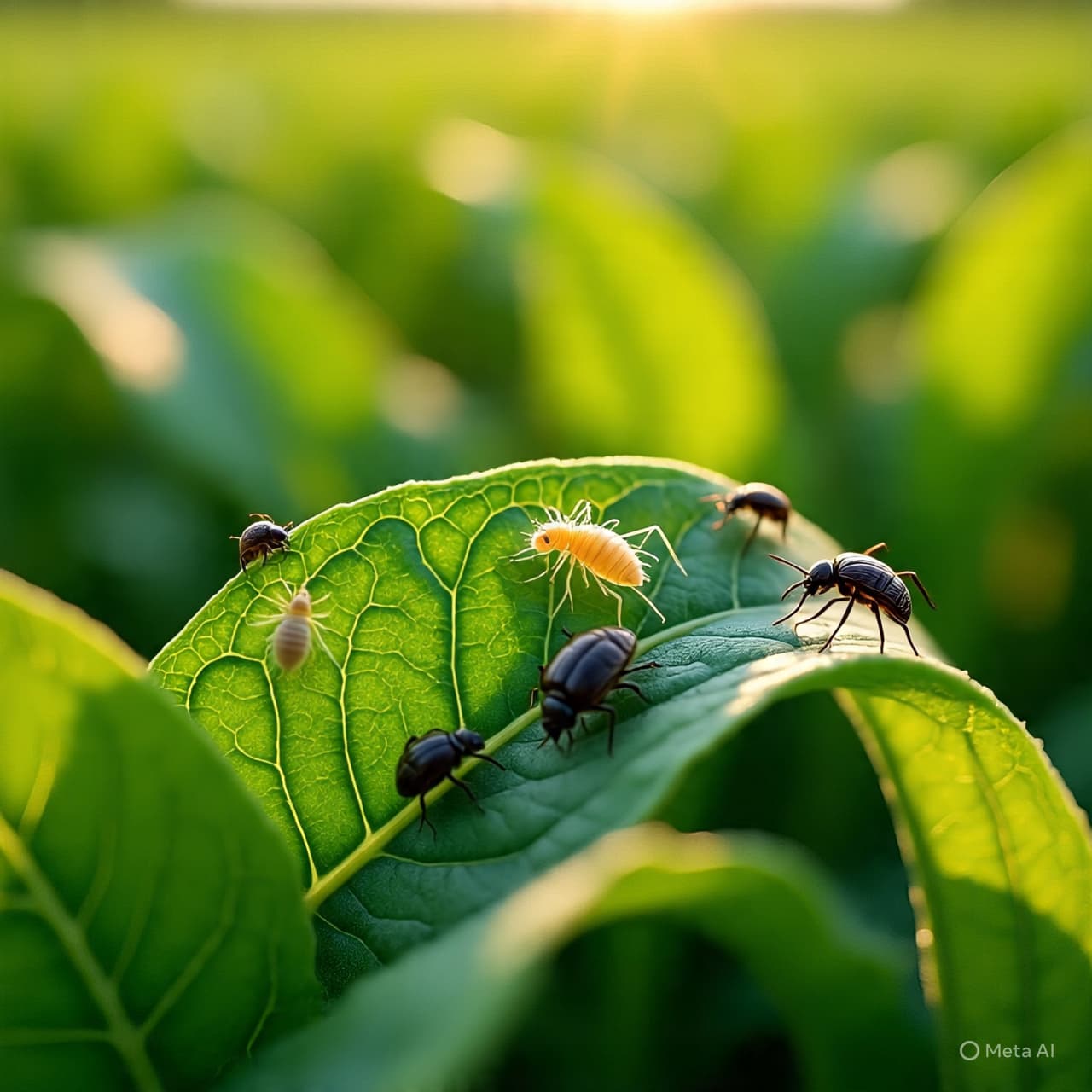
Pests already devour an estimated around 40 percent of global crop production each year, diminishing yields and sparking losses that ripple through farm economies and food markets. Climate change is now tilting the balance further in favor of these crop‑destroying insects, mites and pathogens, creating conditions that allow them to spread more widely, reproduce faster and survive in regions that were once too cold for them to thrive.
Research shows that as the climate warms and seasonal patterns shift, many pests are moving into higher latitudes and elevations, invading croplands that once had natural climatic barriers keeping them in check. They are also completing more generations per growing season, intensifying pressure on staples such as wheat, rice and maize. Under projected temperature rises of about 2 °C, losses from pests alone could increase significantly for these key crops, worsening the challenge of feeding a rising global population.
The mechanisms at work are rooted in biology: insect pests are ectotherms, meaning their metabolism and reproduction rates climb as temperatures rise. Warmer winter conditions allow more pests to survive seasonal lows, and longer warm spells extend the active growing season — effectively broadening the window each year in which pests can damage crops. Meanwhile, ecosystems under climatic stress often lose natural pest predators, weakening biological controls that once kept outbreaks in check.
Globalization further compounds these pressures, as increased trade and travel transport invasive species across continents and into new agricultural zones. Land‑use changes and monocultural practices in modern agriculture also reduce biodiversity, making crops more vulnerable by eliminating species that once provided natural pest suppression.
The consequences are already evident in many regions. In parts of Africa, for example, invasive pests like the fall armyworm — enabled by changing temperatures — are ravaging maize, sorghum and other staples, contributing to food insecurity among rural households that depend on agriculture for both sustenance and income.
Researchers and policymakers are sounding the alarm that current food systems are ill‑prepared for these cascading stresses. Without stronger climate action, smarter pest management and agricultural practices that bolster ecological resilience, the risk of widespread crop damage will grow. Measures such as diversified cropping, habitat restoration to support beneficial insects, predictive pest monitoring and innovative technologies (including AI‑enhanced forecasting) are being explored, but implementation at scale remains a formidable challenge.
In a phrase that resonates with urgency, experts say the world’s agriculture is running on “borrowed time” — a precarious interval during which climate change continues to accelerate impacts on pests even as food systems struggle to adapt. Unless more robust and climate‑smart strategies are adopted quickly, the interplay between warming temperatures and crop pests could deepen the burdens of food insecurity already facing billions around the globe.
AI Image Disclaimer “Visuals are created with AI tools and are not real photographs.”
Sources The Guardian Nature Reviews Earth & Environment FAO Scientific Review Global Plant Council via Phys.org World Economic Forum on agricultural innovation
Published by Banx Network. This article is part of the Banx decentralized media programme, powered by the BXE token on the XRP Ledger.