Each year, Myanmar’s Independence Day arrives quietly, tethered to memory and ritual. Flags rise, speeches are read, and history briefly steps forward. This year, the date carried another movement—one measured not in ceremony, but in footsteps leaving prison compounds across the country.
The military-led government announced the release of more than 6,100 prisoners as part of a mass amnesty tied to the anniversary. The decision followed a familiar pattern in Myanmar’s political calendar, where national holidays often coincide with pardons and sentence reductions, gestures framed as symbolic resets rather than structural change.
Among those freed were inmates serving sentences for a range of offenses, with officials saying some sentences were reduced while others were fully commuted. As in previous releases, the authorities warned that those who reoffend could face reinstated penalties, a reminder that freedom, in this context, arrives with conditions attached.
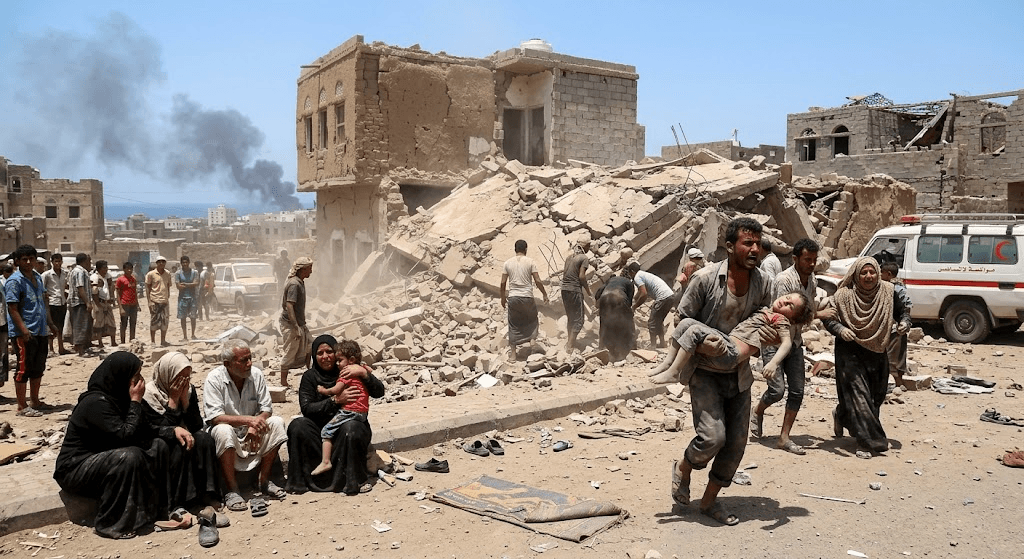
The releases unfolded against a backdrop of prolonged conflict and political strain following the 2021 military takeover. Since then, prisons have grown crowded, detentions frequent, and legal certainty uneven. Human rights groups have long called attention to the number of political detainees held nationwide, though official statements surrounding the amnesty did not offer detailed breakdowns of prisoner categories.
Outside prison gates, families waited in clusters, some holding documents, others simply standing still. For many, the moment was less about national symbolism than about reunion, about a body returning to familiar space after months or years of absence. The scale of the release gave the day a rhythm distinct from speeches or parades—brief, human, and tangible.
Such amnesties have occurred before, often read simultaneously as acts of mercy, administrative pressure valves, and messages to both domestic and international audiences. Their meaning tends to settle slowly, shaped by who walks free and who remains behind.
As the anniversary day drew on, the official commemorations receded into routine coverage. What lingered instead were the quieter images: gates closing again, buses pulling away, families dispersing into ordinary streets. Independence, for most, remained an abstract inheritance. For a few thousand, it briefly took physical form.
Published by Banx Network. This article is part of the Banx decentralized media programme, powered by the BXE token on the XRP Ledger.