
Key Highlights
- Oman has drafted an agreement for navigation corridors in the Strait of Hormuz.
- The proposal includes two routes:one through Oman's waters and another through Iran's.
- The agreement aims to enhance maritime safety amid rising geopolitical tensions.
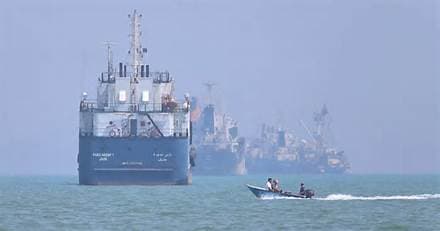
Oman has taken a proactive step in addressing maritime safety by preparing a draft agreement aimed at ensuring the smooth transit of merchant vessels through the strategically significant Strait of Hormuz. This initiative comes in response to recent disruptions and escalating tensions between the United States and Iran, which have raised concerns about the safety of shipping routes in the region.
According to reports from international media citing sources familiar with the negotiations, the proposed agreement outlines the establishment of two parallel navigation corridors within the strait. The first corridor, designated as the southern route, would traverse Oman's territorial waters. This route is designed to allow vessels to navigate under what is described as “pre-war” arrangements, effectively permitting free passage in accordance with conditions that were in place prior to the current conflict.
The second corridor, located to the north, would pass through Iranian territorial waters. Vessels opting for this route would be required to obtain prior permission from Iranian authorities before proceeding. Notably, the draft agreement does not stipulate any transit fees or charges for the use of the northern corridor, which may encourage shipping companies to consider this option despite the need for prior approval.
While the agreement is still in draft form and has not yet been finalized, discussions among diplomats have been ongoing. Oman, along with Iranian officials, is working to define practical arrangements for navigation that would enhance safety while political consultations continue. This collaborative effort reflects a broader strategy to mitigate risks associated with shipping in the Strait of Hormuz, a vital waterway through which a significant portion of the world's energy supplies is transported.
The Strait of Hormuz has long been a focal point of geopolitical tensions, particularly between Iran and the United States. The recent increase in military presence and rhetoric in the region has underscored the importance of establishing clear and safe navigation protocols. Oman’s initiative to propose these corridors is seen as a crucial step toward fostering stability and ensuring the uninterrupted flow of maritime traffic in this critical area.
As the situation develops, the international community will be closely monitoring the outcomes of these discussions and the potential impact on global shipping routes. The establishment of safe passage mechanisms could play a pivotal role in alleviating tensions and promoting cooperation among nations that rely on this essential maritime corridor.
Published by Banx Network. This article is part of the Banx decentralized media programme, powered by the BXE token on the XRP Ledger.



