
Key Highlights
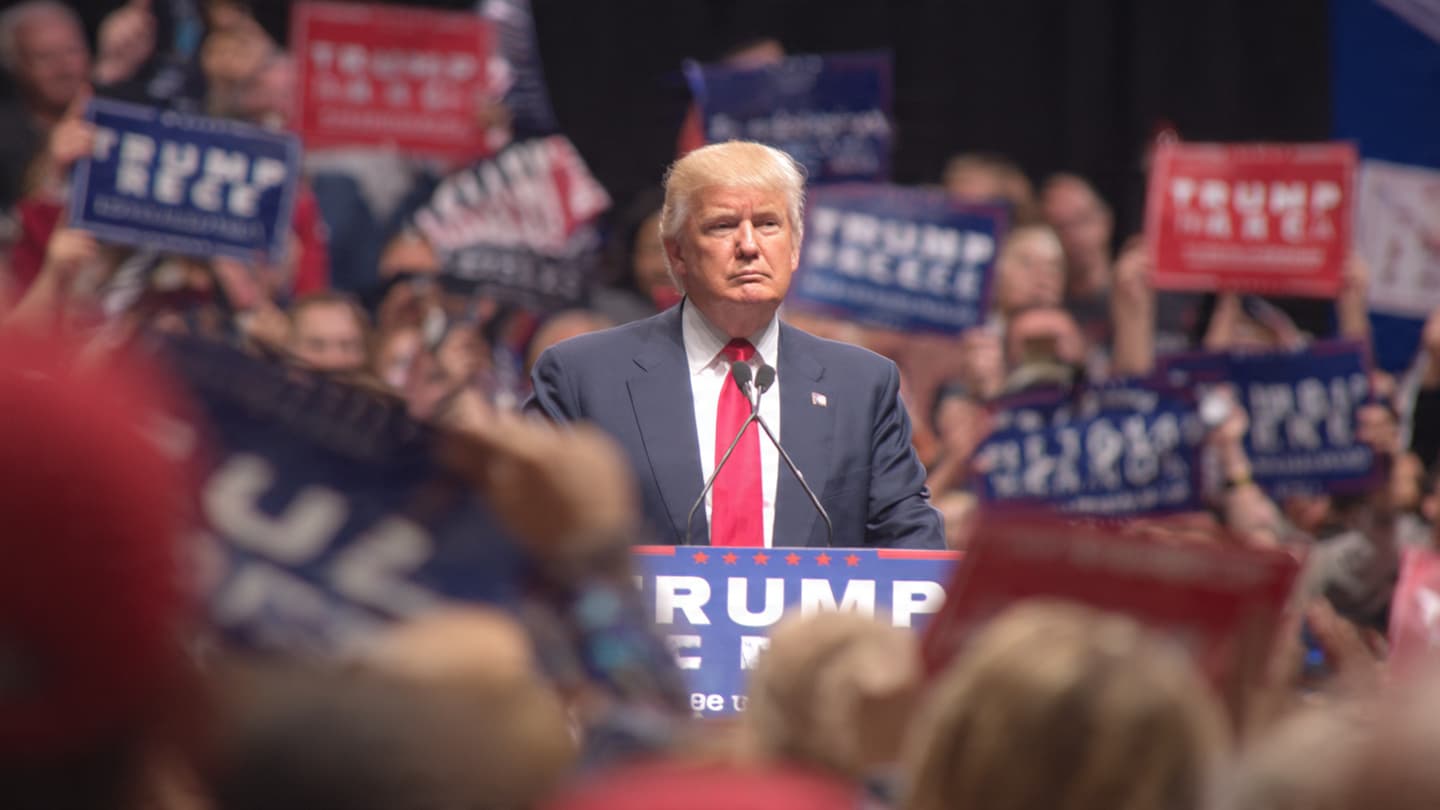
- Trump Targets Cassidy:Former President Donald Trump publicly criticized Senator Bill Cassidy, urging Republican voters to support a challenger in the upcoming primary.
- Loyalty Tensions:Cassidy's impeachment vote against Trump in 2021 continues to fuel tensions within the Republican Party in Louisiana.
- Broader Implications:The Louisiana Senate race may serve as a litmus test for Trump's enduring influence on Republican politics nationwide.
The political landscape in America is rarely quiet, especially during election seasons. The recent developments in Louisiana's Senate race exemplify this, as former President Donald Trump has once again thrust himself into the spotlight. His public criticism of incumbent Senator Bill Cassidy, coupled with his endorsement of a challenger, underscores the significant influence he continues to wield within the Republican Party.
Trump's attack on Cassidy is not merely a fleeting moment; it reflects deeper tensions that have been simmering since Cassidy voted to convict Trump during his second impeachment trial in 2021. This vote has left Cassidy at odds with many Republican activists in Louisiana, who view loyalty to Trump as a paramount concern. As the GOP primary approaches, Cassidy is attempting to carve out a niche as an independent-minded conservative, focusing on governance rather than political theatrics. However, his past actions continue to haunt him, making it difficult to fully escape the shadow of Trump's influence.
Political analysts suggest that Louisiana's race is a critical test case for understanding the current state of the Republican Party. Trump's endorsements have historically energized grassroots supporters and significantly impacted fundraising efforts for candidates aligned with his political movement. As such, the upcoming primary will likely reveal whether Republican voters still favor candidates who closely mirror Trump's leadership style and approach.
In contrast, some Republican officials argue that the party must broaden its focus beyond internal loyalty disputes. They emphasize the importance of addressing pressing economic issues, border policy, energy production, and inflation—topics that resonate more with general election voters. This perspective highlights a potential divide within the party, as candidates navigate the delicate balance between traditional conservative values and the expectations of a base that remains deeply loyal to Trump.
The intensity of the campaign rhetoric in Louisiana reflects a broader struggle for identity and control within the Republican Party. As candidates vie for attention in a crowded media landscape, the stakes are high. The outcome of this Senate race could serve as a bellwether for the future direction of the GOP, particularly as it relates to Trump's ongoing influence.
As the election season progresses, the Louisiana Senate race may evolve into more than just a local contest. It could become a significant indicator of how Trump's political legacy continues to shape Republican politics across the United States. Observers will be watching closely to see if the party remains firmly aligned with Trump's vision or if it begins to pivot towards a broader agenda that addresses the concerns of a wider electorate.
Published by Banx Network. This article is part of the Banx decentralized media programme, powered by the BXE token on the XRP Ledger.



