Diplomacy often advances quietly, carried forward through negotiations that unfold far from cameras and campaign stages. Yet agreements involving Iran rarely remain confined to private discussions for long. As reports suggested former President Donald Trump was nearing a potential deal involving Tehran, Republican foreign policy hawks responded with sharp criticism and warnings of strategic consequences.
Critics argued that any agreement perceived as easing pressure on Iran could weaken American leverage and embolden regional adversaries. Several Republican figures described the possible arrangement as a dangerous concession that might undermine long-term security interests in the Middle East.
The debate reflects decades of tension surrounding Iran’s nuclear ambitions, sanctions programs, and regional influence. Successive American administrations have struggled to balance diplomatic engagement with deterrence strategies aimed at limiting Tehran’s military and political reach.
Supporters of negotiations maintain that diplomacy remains one of the few mechanisms capable of reducing escalation risks while placing limits on sensitive nuclear activities. They argue that sustained communication, inspections, and negotiated conditions may help prevent broader regional instability.
Opponents, however, contend that past agreements failed to fully restrain Iran’s capabilities and instead provided economic relief without resolving deeper geopolitical disputes. Critics within Republican circles have repeatedly emphasized skepticism toward agreements they believe rely too heavily on trust and temporary restrictions.
Foreign policy analysts note that debates over Iran frequently reveal broader divisions within American strategic thinking. Some policymakers favor maximum pressure through sanctions and military deterrence, while others argue that diplomatic isolation alone rarely produces durable stability.
International observers are also closely monitoring the negotiations because any shift in U.S.-Iran relations may influence energy markets, regional alliances, and security calculations across the Middle East. European governments have generally supported continued diplomatic engagement while urging caution from all parties involved.
As discussions reportedly move closer to a possible agreement, political tensions in Washington are expected to intensify further. Whether negotiations ultimately succeed or collapse, the dispute has once again demonstrated how deeply Iran policy remains intertwined with America’s domestic political landscape.
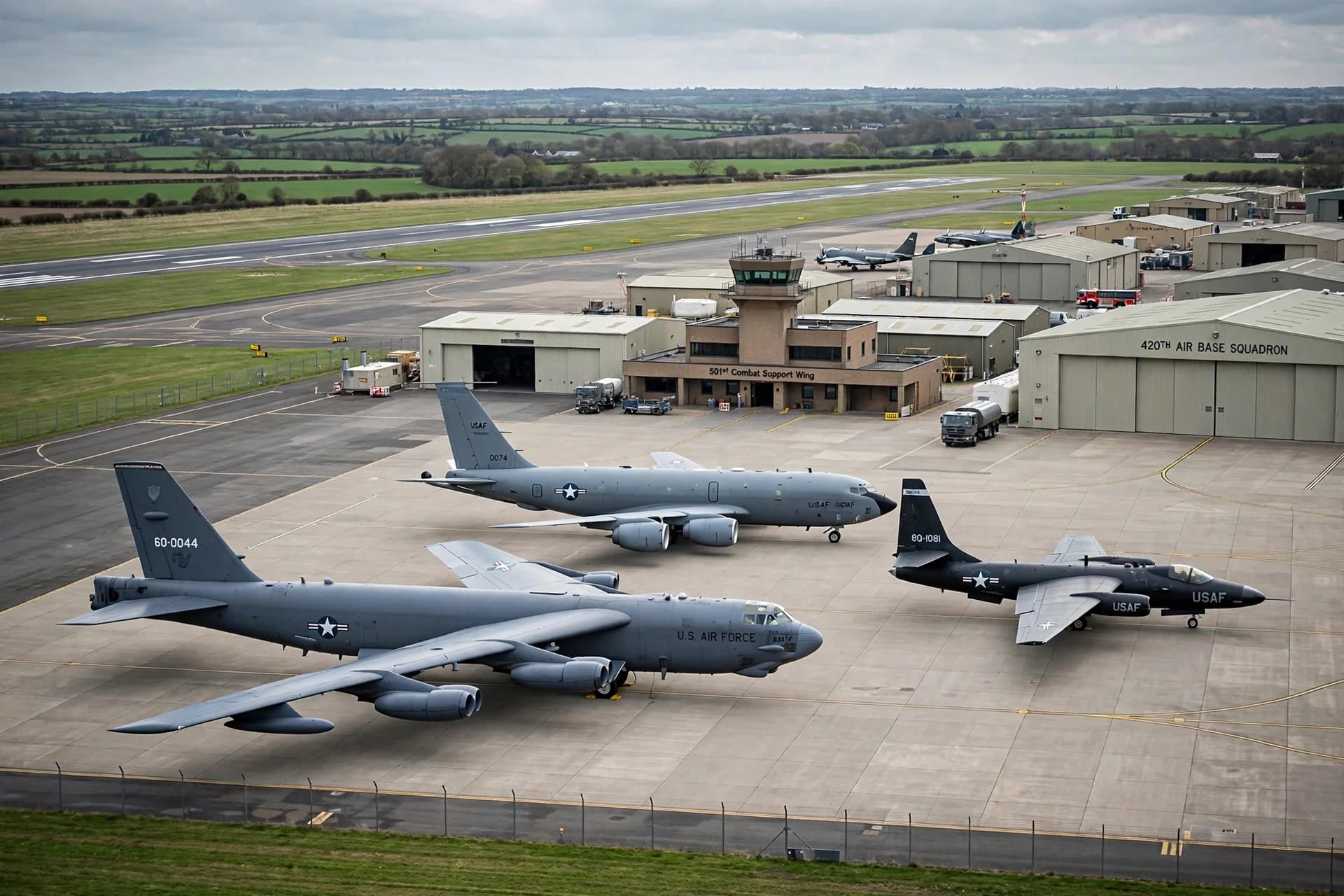
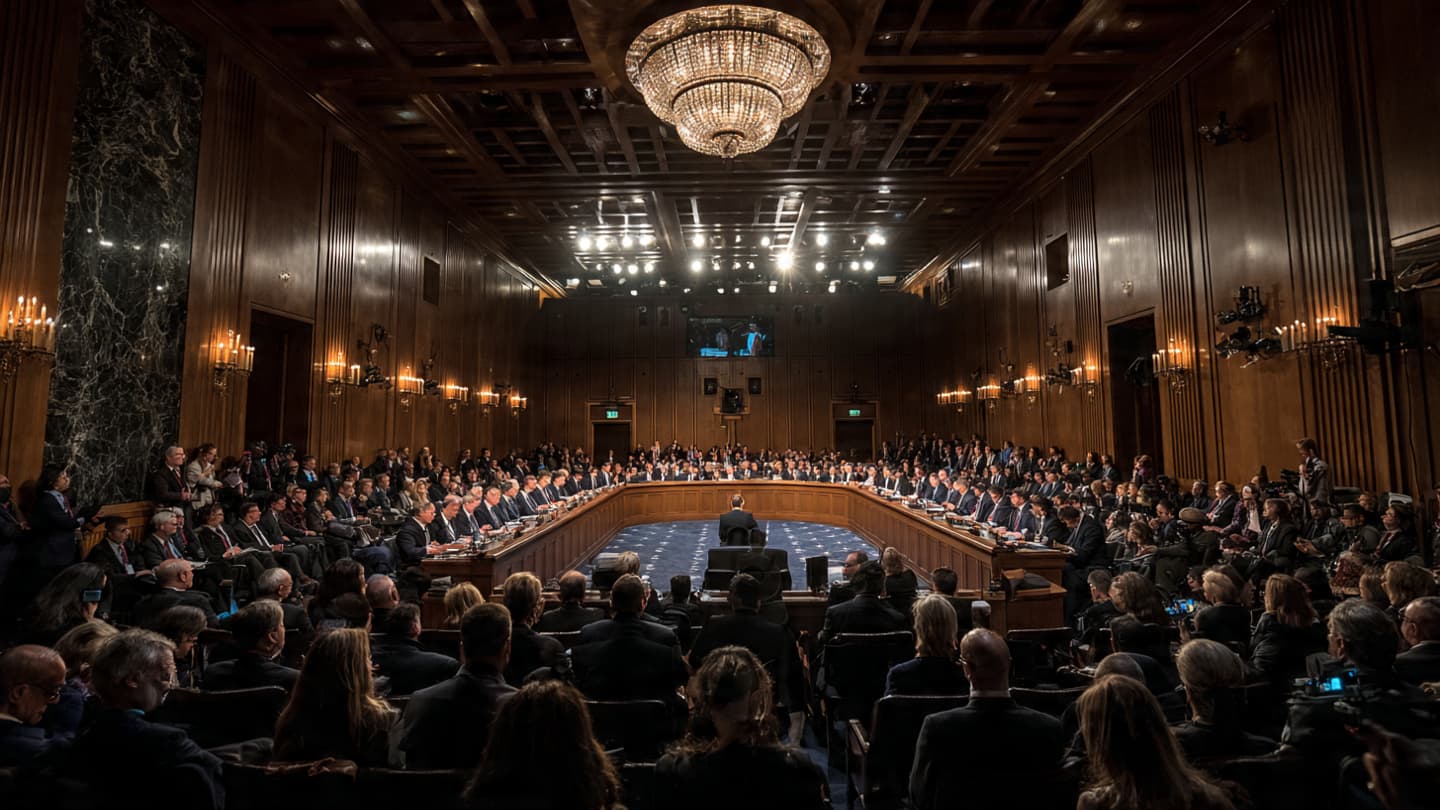
AI Image Disclaimer: Some images associated with this article were AI-generated to visually represent diplomatic negotiations and geopolitical tensions.
Sources: Reuters, Associated Press, Politico, The Wall Street Journal
Published by Banx Network. This article is part of the Banx decentralized media programme, powered by the BXE token on the XRP Ledger.