Across the Caribbean Sea, history often moves like a slow tide carrying echoes from earlier decades. Relations between the United States and Cuba have long been shaped by suspicion, distance, and cautious observation. Now, amid renewed geopolitical tension, intelligence analysts are again studying how Havana could react during a period of rising military uncertainty.
According to reports from U.S. officials and security analysts, the American intelligence community is assessing possible Cuban responses in the event of broader military escalation involving U.S. interests abroad. The analysis reportedly includes diplomatic positioning, regional coordination, and potential domestic security measures within Cuba.
Officials familiar with the discussions said the assessments are precautionary and part of standard national security planning. Intelligence agencies routinely evaluate how foreign governments may react to evolving military or geopolitical developments, particularly in regions historically sensitive to U.S. policy decisions.
The renewed attention toward Cuba comes during heightened global tensions involving several international flashpoints. Analysts say Washington remains attentive to Havana’s diplomatic relationships with countries such as Russia, China, and Iran, as shifting alliances increasingly influence regional strategy calculations.
Cuban officials have not publicly indicated any direct military intentions connected to the reports. However, Havana has consistently criticized U.S. sanctions and military interventions abroad while maintaining diplomatic relationships with governments often viewed critically by Washington. The Cuban government continues emphasizing sovereignty and regional independence in its public messaging.
Security experts note that modern intelligence analysis frequently extends beyond conventional military scenarios. Economic stability, migration patterns, cyber activity, and diplomatic coordination are all considered when assessing how countries might respond during international crises. Cuba’s geographic proximity to the United States adds further significance to those evaluations.
For many observers, the situation also reflects how unresolved historical tensions continue shaping present-day policy discussions. Memories of the Cold War, the Cuban Missile Crisis, and decades of political confrontation remain deeply embedded in strategic thinking on both sides of the Florida Strait.
U.S. officials have not announced any immediate policy changes related to Cuba following the intelligence assessments. Analysts expect monitoring efforts to continue as international tensions evolve and regional diplomacy remains under close observation.
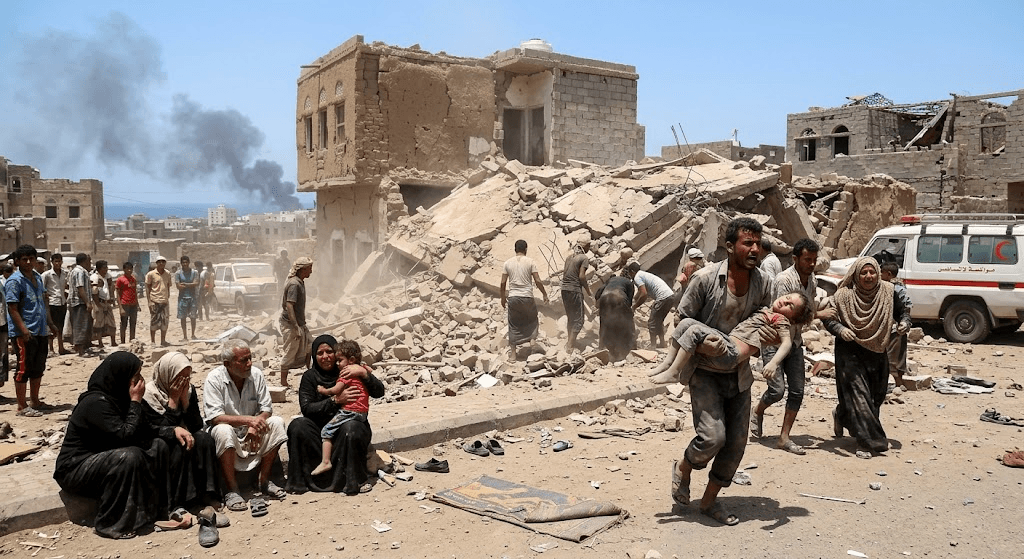
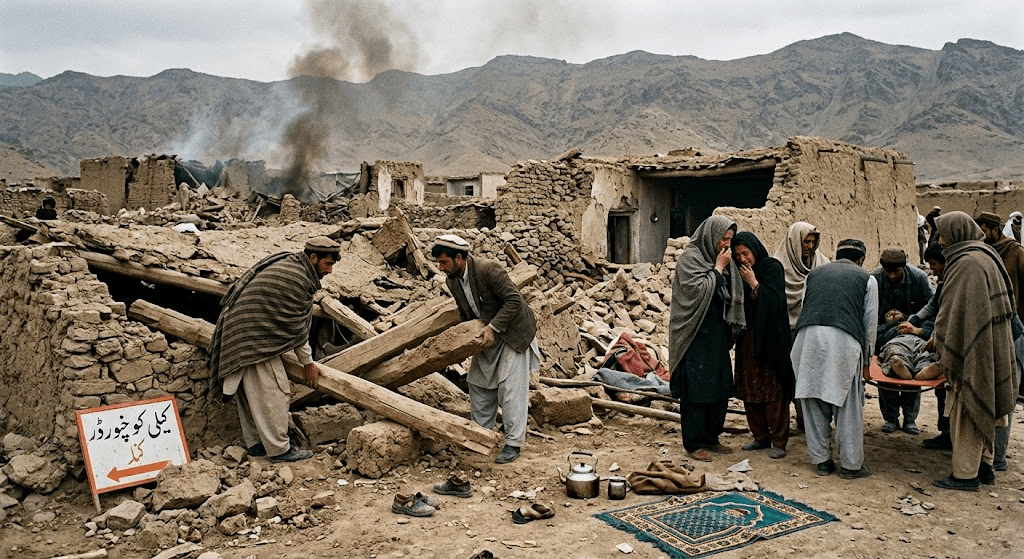
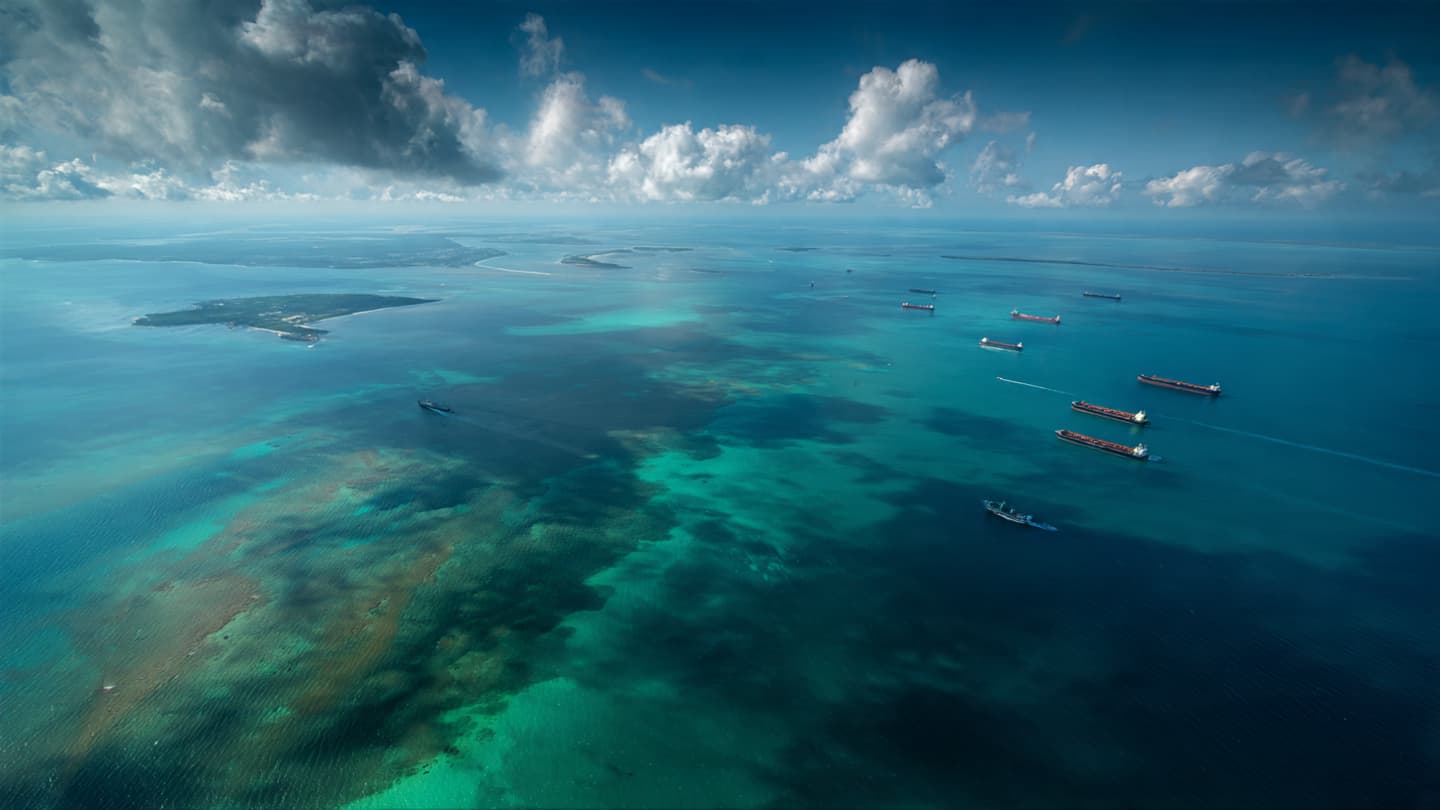
These accompanying visuals were created using AI-generated imagery.
Sources: Reuters, Associated Press, NBC News, The Washington Post
Published by Banx Network. This article is part of the Banx decentralized media programme, powered by the BXE token on the XRP Ledger.